
The Macro-Economics of Altars: How Durga Puja 2026 Reshaped India’s Micro-Supply Chains
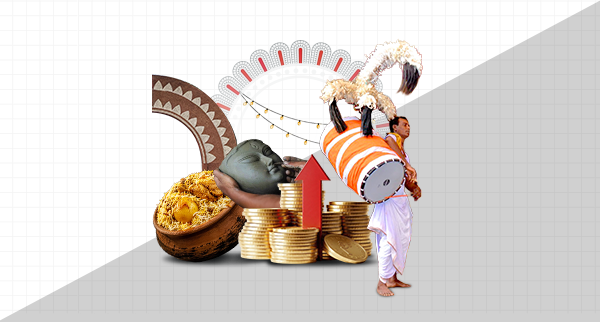
Every autumn, when the first echoes of the dhak (drums) resonate and the fragrance of shiuli (night-flowering jasmine) flowers fills the air, Bengal does not merely experience a religious awakening or simply undergo a spiritual homecoming; it catalyzes one of the most intricate, organic financial ecosystems in the world. Festivities represent a rich tapestry of nostalgia, time-honored traditions, legacy and shaping lifelong memories for the public.
For consumers, festivals are a powerful catalyst of emotion and tradition, creating a high-sentiment environment where meaningful, lifelong memories are built. Festive marketing and seasonal campaigning give brands a massive competitive edge and drive a significant market advantage, a dynamic that is equally vital for driving growth across the West Bengal business ecosystem by serving as the ultimate demand aggregator during high-velocity seasonal shifts.
At Brand Chorcha, it is our deep-seated belief that a city’s soul and a region’s business ecosystem thrive through their timeless and enduring institutions. Stepping back to look at Durga Puja 2026, one can witness a major representation of a macroeconomic engine within the country. The festival also exemplifies a massive experiential marketing sphere where deep-rooted sacred traditions effortlessly blend with modern consumerism. What is often perceived as a five-day cultural carnival, is in reality, the second largest festive season in India and a massive regional engine that generates an estimated ₹65,000 crore in the Durga Puja economy, accounting for almost 2.5% to 3% of Gross State Domestic Product (GSDP) of West Bengal.
This Indian festival, with the help of regional branding in India and strategic investments, productively allocates corporate capital into local micro supply chains, generating massive revenues across several sectors such as the food and beverage sectors, traditional infrastructure, and digital advertising.
From Boardrooms to Bamboo Structures: The Hyper-Local Supply Network of Pandal Infrastructure
Long before a single consumer enters a pandal funnel, the bills arrive. Corporate sponsorship ranging from established FMCG giants to rising corporate patrons pumps structural funds directly into local puja committees. This capital is immediately deployed across a series of baseline industrial sectors such as:
- Raw Materials: Massive quantities of bamboo from Assam and rural Bengal, high-grade timber and heavy-duty industrial ropes are sourced months in advance of the schedule.
- The Paint and Adhesive Ecosystem: Incumbent giants and ambitious market entrants like Asian Paints and Birla Opus do not simply stick billboards, they invest crores into sourcing premium raw emulsions, driving revenue for local distributors, dealers and hardware dealers.
- The Textile Fabric Chain: The breathtaking drapes that create architectural illusions and geometric mirages in pandals require vast expanses of textile fabric, funneling and providing a massive seasonal backlog of orders and substantial festive workload to bulk cloth emporiums like local handloom weavers and Burrabazar.
Monetizing the heritage: Backing the Force Behind the Scenes
In recent years, brand storytelling and Durga Puja marketing strategy have brilliantly re-imagined their approach and seamlessly evolved from standard product-driven billboard displays to culturally grounded narratives and sustainable heritage support. Corporate foundations are scaling up initiatives and driving funding toward commissioning funds designated exclusively for artists, spatial designers, lighting architects and sculptors. This systematic deployment of corporate investment fundamentally restructures the creative manufacturing pipeline.
- Kumartuli and Clay Workshops: This corporate capital integration ensures that the generational master idol craftsmen receive premium compensation, converting raw clay and straw orders into structured seasonal employment for thousands of assistant clay-craftsmen.
- Wizards of Festival Lighting: The intricate, cutting-edge light installations that illuminate and transform the streets of Kolkata during the Durga Puja festival signify a vast micro-electronics logistics network. Local electrical vendors, wire producers, and lighting designers realize their chief yearly revenue produced in this exclusive window.
- Dhakis and Folk Performers: Corporate sponsorship of traditional artisans ensures the economic sustainability of intangible cultural heritage of India, securing vital livelihoods for rural families.
The 24-hour Consumer Funnel: Eateries, Food Brands and Local Hawkers
If Durga Puja is the ultimate experiential marketing hub, the pandal queues function as the highest-converting consumer funnel during festivals. Rather than merely observing billboards and advertisements, festival crowds devour the experience.
During this brief window of Durga Puja, The Food and Beverages sector single-handedly drives over ₹1200-₹1500 crore in revenue statewide, with iconic local restaurants, hospitality networks, and street food vendors making up roughly 60% to 70% of that total revenue and experiencing an 18% increase roughly and general festive dining along with legacy Bengali sweet brands from Balaram Mullick to K.C.Das record a 2x to 3x surge in footfall.
Significantly, this corporate-fueled consumer traffic benefits the local trade sector. The presence of a high-end brand kiosk simultaneously boosts visibility and support for local food stalls, nearby ice cream vendors, and roadside street food carts. Ultimately, by fueling the lively environment, major brands foster micro-eateries to settle their annual debts and build financial reserves for the upcoming fiscal cycle.
Digital, Quick Commerce, and the New-Age Supply Chain
The 2026 Durga Puja witnessed a perfect blend and striking convergence of digital technology with age-old traditions. Industry insights reveal that nationwide festive ad spend surged past ₹60,000 crore, with digital media capturing close to 67.8% of the market.
The boom in quick commerce advertisements, estimated to scale ₹2,200 crore alongside localized distribution channels, meant that even while consumers stayed at the comforts of their homes, the supply chain was running on all cylinders. Whether it was buying traditional white viscose cotton sarees online as gifts or ordering last-second festival essentials, the logistics, warehousing, and on-demand workforce across the country rode the economic wave of Bengal’s cultural rush.
Commerce with a Soul
Final reflections on Durga Puja 2026 prove that regional culture transcends basic target demographics. It is, instead, a dynamic ecosystem that brands must nurture.
Brand activation in Durga Puja is more than just buying premium media space and high-footfall gates. It proves a sustainable business model where corporate capital serves as the vital patron for a massive, interconnected human network.
The economic impact of Durga Puja demonstrates that cultural vitality drives commercial prosperity; when brands engage authentically, their investments directly support livelihoods nationwide, providing a profound stimulus to the broader Bengal business landscape.