The Early Beginnings – How Thriving Commerce Led to the Birth of Brands in Kolkata
2026-04-25
•
0 Comment
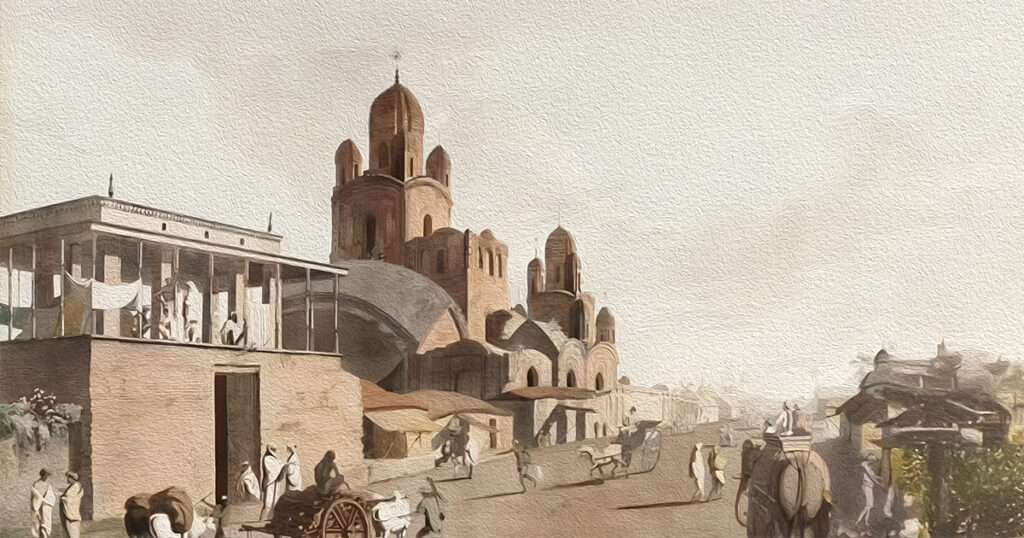
The story of how a cluster of riverine villages in Eastern India came to form an important metropolis and the commercial nerve centre of the country is a many-layered one woven with several pivotal landmarks. Kolkata’s beginnings date back to 1690 – as is generally considered – when Job Charnock of the East India Company steered its evolution from a rural settlement to an impressive colonial city. Soon, Kolkata – then Calcutta – transformed into the beating commercial heart of British India leading to birth of notable brands holding considerable equity.
Back in the late 1700s and early 1800s, Kolkata was not merely a city; it was the seat of British India and the hub of trade and commerce. Thanks to its strategic location along the Hooghly, it flourished under the rapidly growing influence of the East India Company. Ships laden with textiles, indigo, saltpetre, opium, and eventually tea, moved through its ports in Khidderpore and along the Hooghly linking India to Europe, China, and Southeast Asia.
Remember, this was not accidental growth that happened by chance. Kolkata’s (Calcutta) rise to glory was engineered over years through a combination of geographical advantage, imperial ambition, and local enterprise. As trade intensified, so did the need for structure, and that meant the growth and advancement of finance, logistics, hospitality, and communication systems.
To fulfill these needs, the city saw the birth of a new class of enterprises that would evolve into some of the earliest recognizable “brands” in India.
Beyond the Boardroom and Into the Bazaar – The Blend of Craftsmanship and Commerce in Old Kolkata
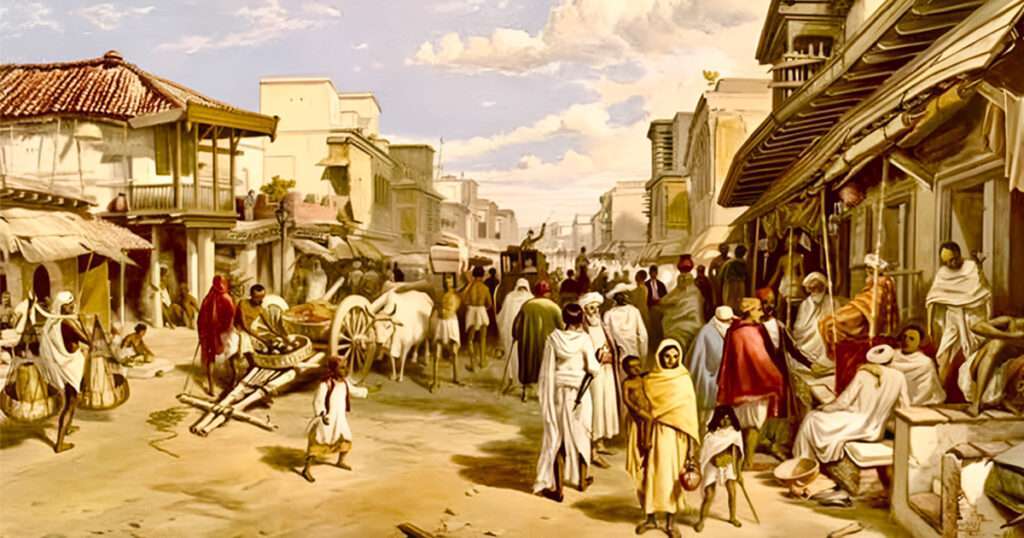
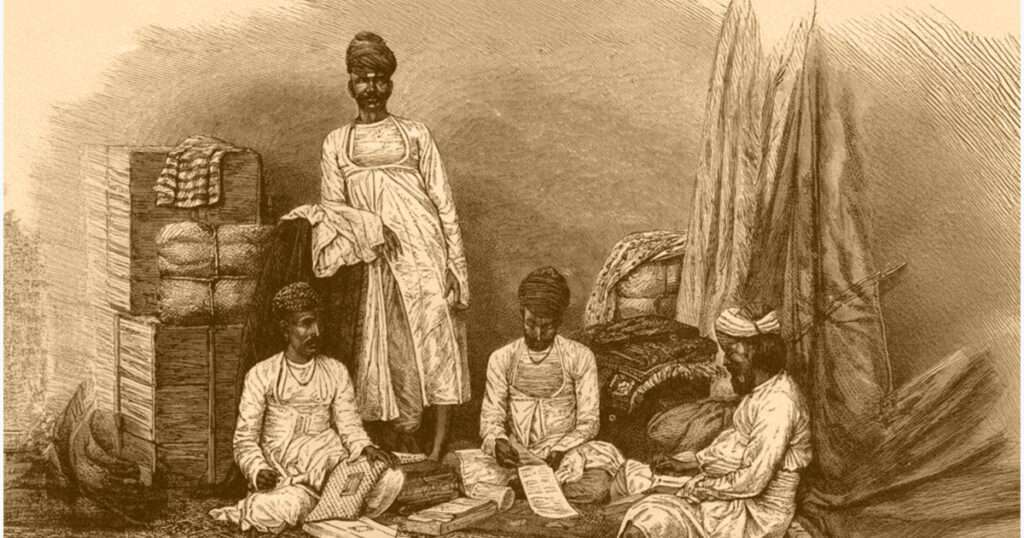
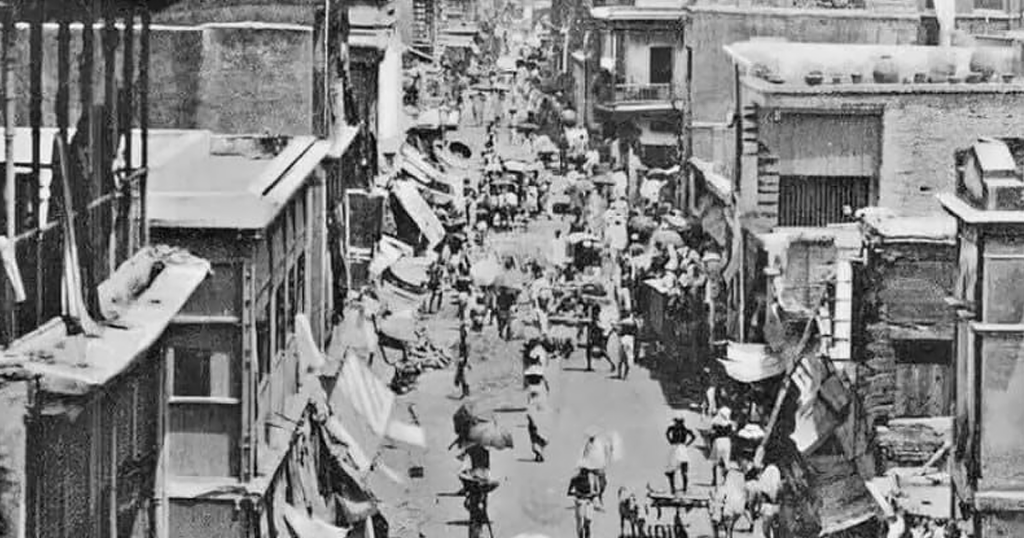
Kolkata saw a proliferation of bazaars across the city that were nodal centres of trading. It would not be wrong to state that Kolkata’s commercial life extended far beyond its colonial offices into its vibrant bazaars, some of which exist till today. It is interesting to note that Indian traders, artisans, and intermediaries were quick to understand global demand and tweaked their production and output accordingly, while preserving traditional skills. The result was a hybrid economy that was part indigenous and part European.
Now, the seeds of branding were quietly sown. Traders realized that reputation was immensely important for repeat business. The markers of success depended on consistency in quality, reliability in delivery, and integrity in transactions. A merchant and his enterprise’s name began to carry weight. In a striking similarity to what brand identity means today.
Kolkata’s Trade Networks – Ensuring Global Exchange of Business Ideas and Practices
Thanks to a rapidly proliferating commercial scene, the city’s merchants started operating within an increasingly global framework. Access to shipping routes, insurance systems, and credit networks allowed businesses to scale operations. Kolkata was a bustling cosmopolitan marketplace where Armenian, Chinese, British, and Indian traders interacted daily, a city where ideas—and business practices—were exchanged freely.
Birth and Evolution of Significant Business Establishments
Banking and Finance
Trade at the scale that Kolkata witnessed demanded financial sophistication and expertise, leading to the establishment of formal banking systems. Alongside formal institutions there were indigenous bankers who acted as vital intermediaries bridging cultural and financial gaps between European firms and Indian markets. The Bank of Bengal (1806) was one of India’s earliest banks that introduced structured financial practices to facilitate large-scale trade. It would eventually become a precursor to the State Bank of India, currently India’s largest nationalized bank.
Tea
By the 19th century, Kolkata had become synonymous with tea trade, brewing a global identity for itself. Tea auctions held in the city connected Indian plantations with global consumers, reinforcing Kolkata’s role as a commercial bridge between continents. Gillanders Arbuthnot & Co. founded in 1819 was an important commercial establishment that exemplified the evolution of colonial trading houses diversifying into tea, textiles, and engineering.
Hospitality and Hotels
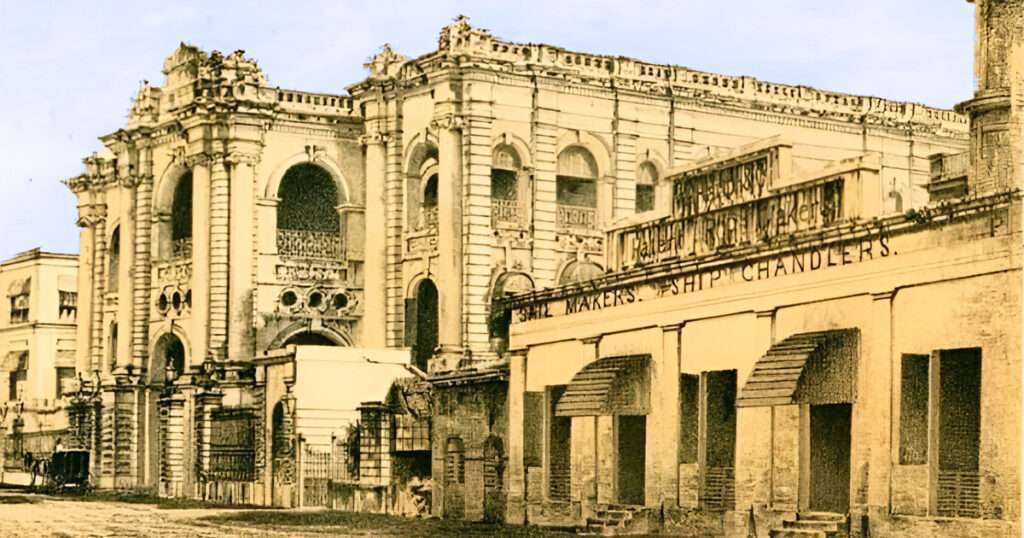
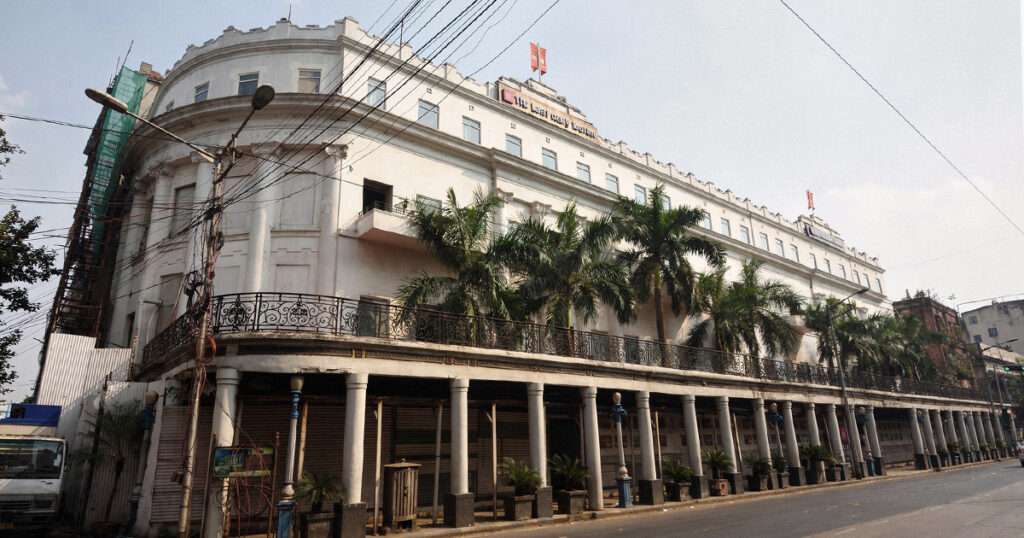
As trade and commerce grew, Kolkata witnessed the influx of traders, officials, and travellers from within the country and abroad. It created the demand for suitable accommodation and refined hospitality options emerged for top-notch visitors to the city. Great Eastern Hotel (1840) was known as the “Jewel of the East” and set exemplary benchmarks in luxury and service back in the day. Spence’s Hotel, also established in 1830 was hailed as the first hotel of Asia and became another iconic establishment acting as a social and cultural hub. It even finds mention in Jules Verne’s novel, The Steam House. These institutions were early examples of the fact that brands could be built not simply on tangible products, but also on experiences—a concept that lives on as a crucial feature in modern hospitality and hotel management.
Print and Publishing
Alongside Kolkata’s commercial dynamism, the city witnessed the spurt of intellectual enterprise. The Bengal Gazette (1780) marked the beginning of India’s print media industry. The city’s publishing houses and presses became influential institutions where credibility and voice were as valuable as profit. Information itself became a commodity—and a powerful one at that.
Indian Capital Flexes its Muscle - The Rise of Marwari and Bengali Business Houses in Kolkata
While European firms dominated early trade, Indian entrepreneurs soon emerged as formidable players and indigenous enterprise became a force to be reckoned with in the 19th and early 20th centuries. Marwari families migrated to the city, building extensive trading networks across India. Bengali elites invested in land, trade, and later industry. These communities prioritized trust, long-term relationships, and adaptability, qualities that helped their enterprises and consequently, brands to endure.
Kolkata’s commercial success was underpinned by robust infrastructure of port, railways, and warehouses.Khidderpore dock and ports along the Hooghly. Kolkata Port that was inaugurated in 1870 was Asia’s busiest and as a premier British-era riverine port on the Hooghly River, it was vital for exporting jute, tea, and coal, and for transporting indentured labourers (1838–1917). Expanding railway networks continued to connect hinterlands and huge warehousesemployed advancedlogistics systems to ensure efficiency. This infrastructure enabled businesses to scale operations and maintain consistency.
Gaining Commercial Success - Nascent Brands Are Formed
By the early 19th century, Kolkata’s enterprises had begun to shape not just its economy, but its identity. The city evolved from a trading outpost of the East India Company into the financial and commercial nerve centre of the subcontinent.
What set Kolkata apart was the density of credible, high-performing institutions. From the structured systems of the Bank of Bengal to the expansive reach of firms like Gillanders Arbuthnot & Co., the city became synonymous with scale, reliability, and ambition.
In fact, pre-Independence Kolkata (Calcutta) was the crucible of entrepreneurship leading to the birth of some iconic brands. For much of the 18th and 19th centuries, to speak of trade in India was to speak of Kolkata. It served as the seat of British administration until 1911. The city was the primary export gateway for tea, indigo, and jute and it housed the subcontinent’s most influential financial and mercantile institutions. A business based in Kolkata (Calcutta) carried prestige, like a business house headquartered in a major global financial city like Hong Kong or Singapore today.
Towards the late 19th and early 20th century, the strong wave of Swadeshi witnessed the birth of Boroline (1929), Sulekha Ink (1934), Dabur (1884), K.C. Das (1944), producing products that were noteworthy in terms of quality and range, and more importantly “Made in India”.
Ensuring the Halo Effect of Trust and Prestige in Business
The credibility of Kolkata’s brands created a powerful halo effect. It resulted in merchants across India gravitating to the city because they considered deals made here carrying imperial weight. Financial instruments issued in Kolkata were widely trusted and partnerships here opened doors to global markets. Kolkata itself became a brand—its name evoking opportunity, reliability, and cosmopolitan enterprise.
Kolkata (Calcutta) in the Imagination of India
Such was its influence that Kolkata occupied a central place in India’s economic imagination. Long before Mumbai or Delhi rose to prominence, Kolkata was the city of ambition. It was seen as a gateway to prosperity, a melting pot of cultures and commerce, and a symbol of modernity and progress. To engage with India’s economy was, in many ways, to engage with Kolkata. Its institutions set standards, its markets dictated trends, and its enterprises defined success.
Kolkata – Where History Meets Enterprise
The commercial surge of late 18th and early 19th century that the city of Kolkata witnessed did more than generate wealth; it created a culture of enterprise that gave rise to some of India’s earliest brands. These were enterprises that were built on trust, adaptability, and global vision. Collectively, they transformed Kolkata into an economic icon that was so influential that one could scarcely think of India’s commercial story without it. In many ways, the city itself became the ultimate brand: resilient, dynamic, and timeless.
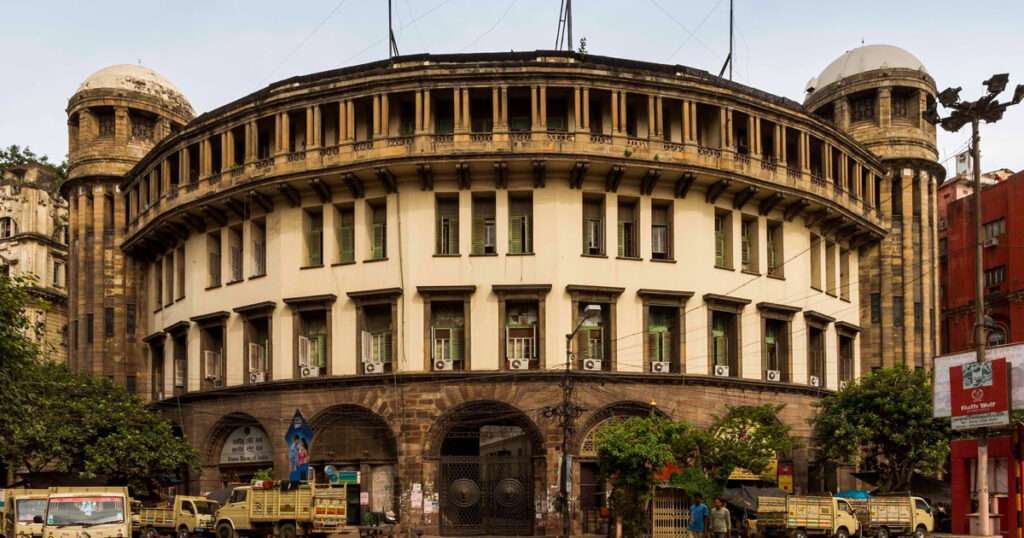
The legacy of colonial Kolkata’s commercial boom continues to shape the city even today. Historic districts like BBD Bagh still house financial institutions. Legacy companies have endured challenges and adapted to contemporary markets. In the process, many of their products are iconic brands today, finding favour as much by Gen Z as well as their grandparents! The entrepreneurial spirit of Kolkata remains deeply embedded in the city’s identity.
Share This :
Posted By
Gurjeet Walia
Gurjeet Walia is a content and features writer. She has over two decades of professional experience and loves to write on diverse topics. She is an ardent Tintin fan.