
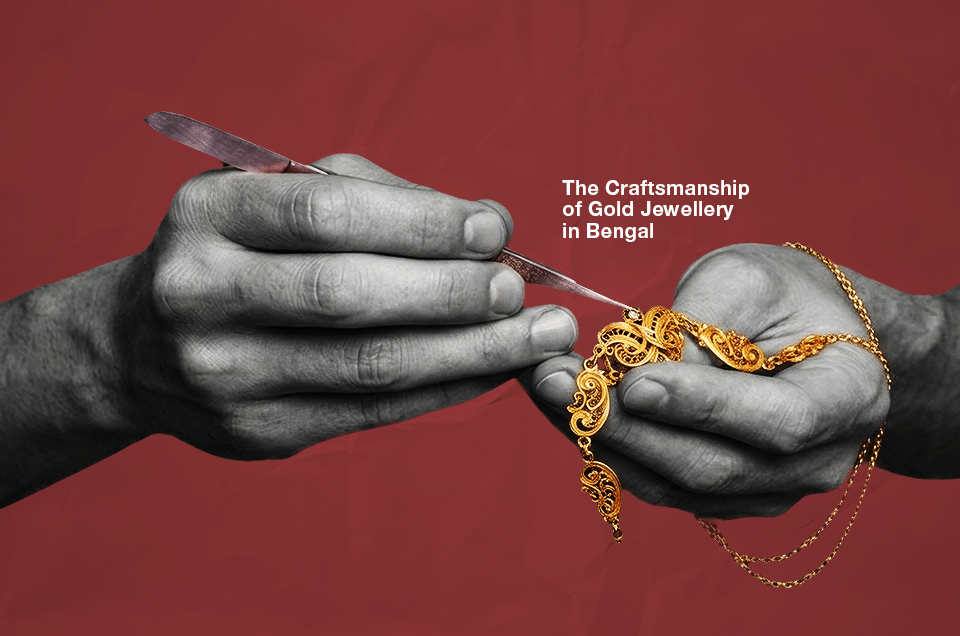
The Craftsmanship of Gold Jewellery in Bengal – Creating Enduring Brands
For centuries, Bengal has been celebrated as one of India’s greatest centres of jewellery craftsmanship. Long before modern branding and retail chains emerged, Bengal’s master goldsmiths— swarnakars and karigars—were creating exquisitely intricate ornaments that combined artistry, symbolism, and technical excellence. In this blog, Brand Chorcha explores how Bengal’s jewellery heritage remains one of the region’s most enduring cultural treasures, admired both within India and abroad.
A Tradition Rooted in History
The story of Bengal’s gold jewellery is deeply intertwined with the region’s history. Influences from ancient kingdoms, Mughal artistry, colonial-era Calcutta, and local cultural traditions have all merged to create a distinctive style of ornamentation.
Traditional Bengali jewellery is known for its fine detailing, graceful motifs, and emphasis that brings out the golden glow of the precious metal itself rather than excessive gemstone embellishment.
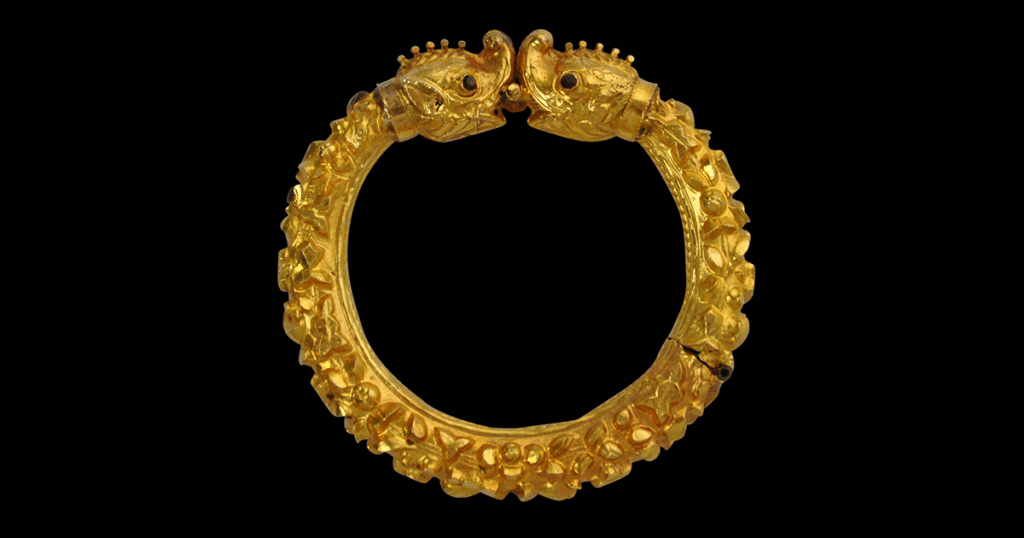
Many classic designs draw inspiration from nature and everyday life. Lotus flowers, makara and hangor (sea creatures), fish, peacocks, paisleys, and flowing vines frequently appear in necklaces, bangles, earrings, and bridal ornaments like chur, tikli, and nath.
These motifs are not merely decorative; they often carry cultural and spiritual significance related to prosperity, fertility, and good fortune.
The Art of Filigree and Nakshi Work
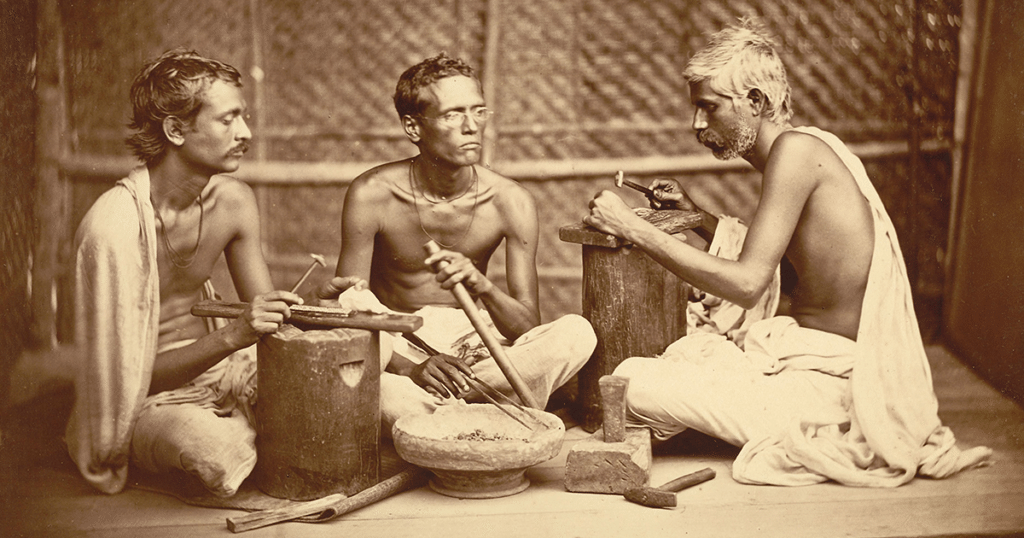
Across the world, there are admirers galore of Bengal’s most admired jewellery tradition, the inimitable filigree work that creates dreamy pieces of gold jewellery. The painstaking technique involves twisting and shaping extremely fine gold wires into lace-like patterns by superior karigars or goldsmiths. The resultant jewellery appears delicate and lightweight while showcasing extraordinary craftsmanship.
Equally celebrated is nakshi workmanship, which involves intricate engraving, etching, and raised decorative detailing on gold surfaces.
These methods require years of training and are often passed down through generations of artisan families. Even in an era of computer-aided design and mechanized production, the admirers of Bengal’s jewellery go hunting for the finest pieces still depend on the skilled hands of experienced craftsmen.
Jewellery as a Cultural Identity
Gold jewellery occupies a special place in any Indian’s life and the Bengali is no different. Engagements, weddings, baby showers and Rice ceremonies, and other family celebrations are all closely associated with traditional ornaments. Jewellery purchases are also considered auspicious during particular festivals. Bridal jewellery, in particular, remains an important expression of heritage and family legacy and womenfolk in the family take this aspect and their roles in it quite seriously.
Classic Bengali pieces such as the chik necklace, ornately crafted bangles, elaborate earrings, and traditional wedding sets continue to be cherished across generations. You will also find exquisitely created sankha and pala – traditional jewellery symbols of married Bengali women – with gold inlay.
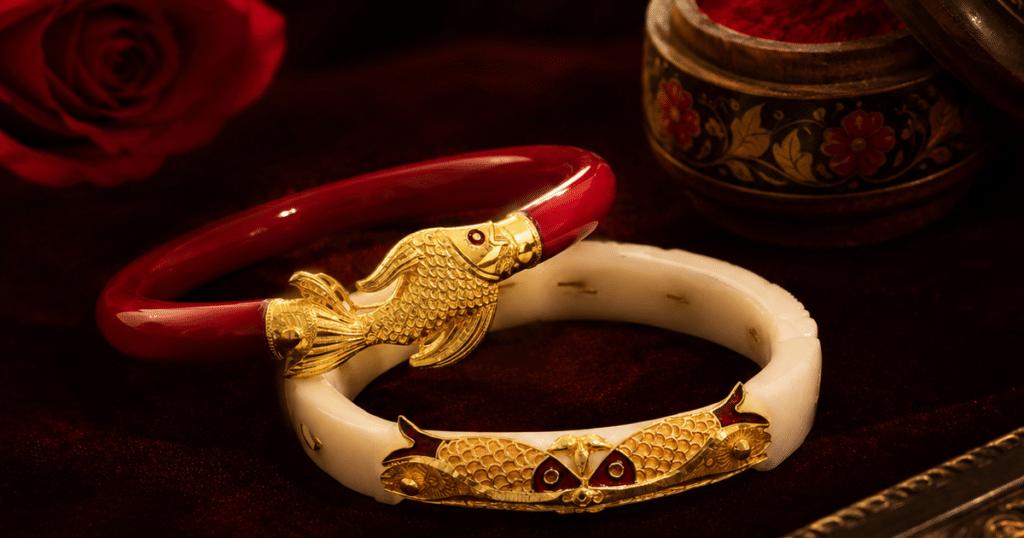
For most families, ornaments are regarded not only as valuable assets but also as heirlooms that preserve stories and memories.
Senco Gold & Diamonds: Carrying Bengal’s Craft to Modern India
Any discussion of Bengal’s jewellery excellence would be incomplete without mentioning Senco Gold & Diamonds, one of the region’s most prominent jewellery companies.
Tracing its origins to the first half of the 20th century, the company emerged from a family jewellery business that built its reputation on craftsmanship, trust, and customer relationships. Over the decades, it has evolved from being a regional jeweller to one of India’s best-known jewellery brands while still retaining its strong links to Bengal’s traditional artistic heritage.
Says Suvankar Sen, Managing Director and CEO of Senco Gold & Diamonds,” As a brand, we are proud of the emotional connect that generations of customers have with us. This bond is what we value as a company and as brand. Creating a piece of beautifully jewellery requires immense skills and we are privileged to have exemplary artisans who work for us. Equally dedicated is our team that ensures our jewellery pieces reach buyers through a superior store experience each time. I applaud the effort and passion of each one of them.”

The company highlights its expertise in intricate filigree work, wire craftsmanship, and nakshi techniques that have long distinguished Bengali jewellery. What makes Senco Gold & Diamonds particularly noteworthy is its ability to blend heritage with contemporary retail practices and create offering for different generations of women and men (they have contemporary pieces for fashion-forward men as well).
While preserving traditional artistry, the company has expanded through modern showrooms in strategic locations, digital platforms, and nationwide operations. Senco Gold & Diamonds’ artisans continue to employ techniques associated with Bengal’s jewellery-making traditions, helping introduce these designs to customers everywhere.
The company’s growth also reflects the broader strength of Bengal’s jewellery sector, which remains an important contributor to the state’s economy and export activity.
An Enduring Legacy
Bengal’s gold jewellery craftsmanship is far more than a commercial enterprise. It is a living tradition that reflects the region’s artistic imagination, cultural identity, and dedication to excellence. From the intricate filigree created by master artisans to the modern success of companies such as Senco Gold & Diamonds, the jewellery sector of Bengal continues to demonstrate how heritage and innovation can coexist.
In an age of rapidly changing fashion trends, the timeless beauty of Bengali gold jewellery remains a shining example of craftsmanship that transcends generations and leading jewellery brands are showing the way to establish emotional bonds with customers that go way beyond transactional exchanges like price and deliverables.