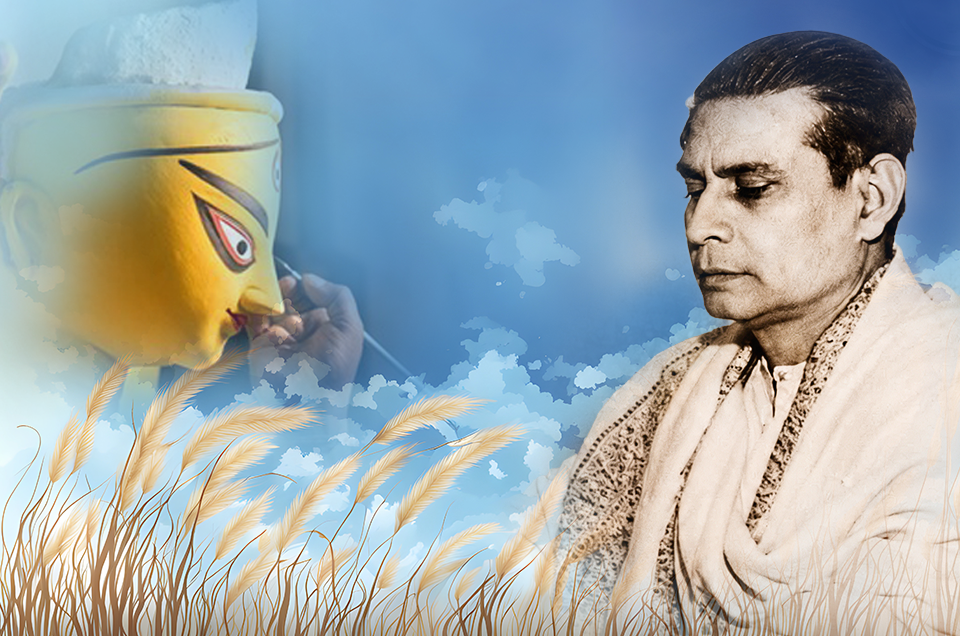

The Architecture of Empathy: How Sarat Chandra Chattopadhyay’s Stories Blueprint Modern Brand Empathy
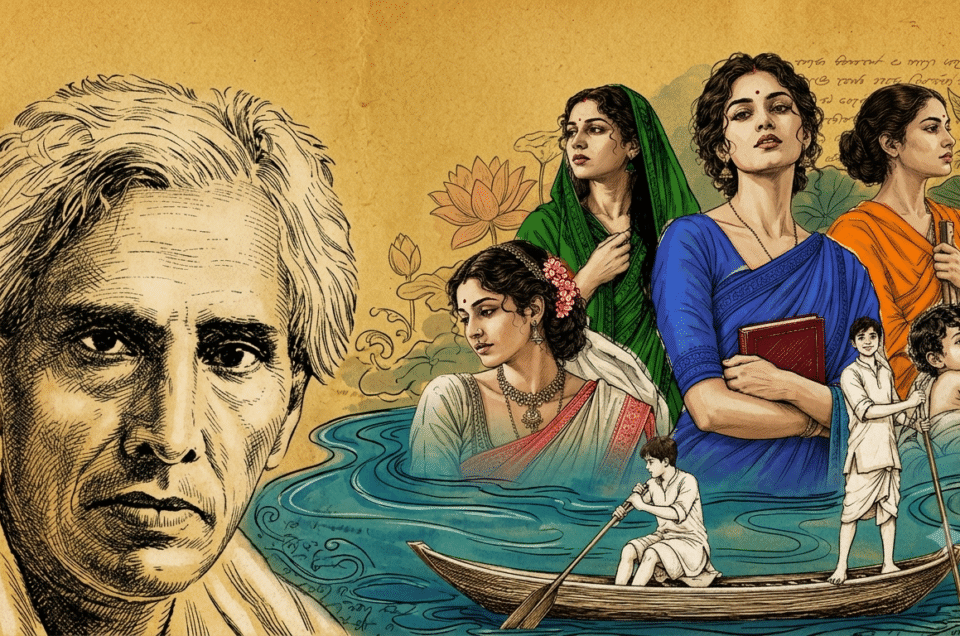
Sarat Chandra Chattopadhyay is the master craftsman and pivotal literary icon of Indian Literature and India. He is famous for his realistic depiction of everyday life and life experiences as well as the emotional turmoil of the mind and feelings of humans. Because of his in-depth knowledge about the multifaceted conditions of humans and the complexities of their experiences, Sarat Chandra Chattopadhyay holds an enduring and unrivaled prominent spot in the domain of Indian literature. Amidst the late 19th and early 20th centuries literary shifts, Sarat Chandra Chattopadhyay mirrored a society that was strongly influenced by caste divisions, moral obligations, patriarchal systems, and rigid customs and traditions.
When one thinks of the Renaissance shapers who redefined the cultural identity of Bengal, the literary icon Sarat Chandra Chattopadhyay stands at the forefront. In the early 20th century, his stories did not merely entertain; rather they held up a mirror to an evolving society. The cornerstone of his literary realm was a revolutionary element: his profoundly subtle, indomitable portrayal of women.
From the independent-minded Kamal in Shesh Prashna, to Sabitri in Charitraheen and Paro and Chandramukhi in Devdas, Sarat Chandra Chattopadhyay gave women unyielding emotional depth, voice, dignity and empowerment instead of looking down upon them through the lens of contemporary societal ideology. The very principles that made the female protagonists of Sarat Chandra Chattopadhyay’s stories unforgettable are the same pillars that define a generational, timeless brand.
Brand Lessons from the Literary Craftsmanship of Sarat Chandra Chattopadhyay
- The Power of Radical Empathy (Understanding audience): The greatest strength of Sarat Chandra Chattopadhyay is his ability to empathise and his compassionate solidarity with the oppressed groups of the society. He recognized the unspoken pain, aspirations and silent victories of women in the traditional Bengali households.
Great brands are built on empathy and not on superficial research. A successful brand looks beyond basic demographics and unfolds deeper audience insights to understand the deep-seated vulnerabilities, emotional needs and unvoiced desires. Just like how readers connected with the raw authenticity and unfiltered reality of Lalita in Parineeta, similarly consumers show their unwavering support and remain intensely loyal to those brands that profoundly understand and value them .
- Resilience Over Persecution (Establishing Brand Credibility): The women in the novels of Sarat Chandra Chattopadhyay experienced constant handship. They faced deliberate rejection, social isolation, emotional turmoil and poverty. However, characters such as Sabitri in Charitraheen or Bindu in Bindur Chele showcased a silent, invincible endurance. Despite several external influences and stress they upholded their ethical principles and kept a moral backbone.
In a fluctuating market environment, crisis and disruption are inevitable. The core spirit of a brand is tested at the time of brand crisis or economic downturns. Brands that endure or persist across generations possess a core resilience and authenticity. Those authentic and resilient brands stand their grounds to their core values and principled integrity.
- Progressive Rebellion (Game Changing Strategy): The female protagonists of Sarat Chandra Chattopadhyay’s novels were portrayed with resistant voices and multifaceted layers of personality seeking recognition, love and dignity rather than merely victims. Potentially, the most remarkable example is the character Kamal in Shesh Prashna. She questioned age old taboos, traditions and conventional conjugal norms and moral purity codes. Sarat Chandra Chattopadhyay weaponized his women characters to erode the literary provincialism of his readers and also provoke his readers out of their cognitive comfort zone.
Innovation demands a touch of revolution. For establishing a brand that shapes cultural identity, one must be a rebel. Whether it is a legacy brand embracing e-business or a new venture challenging market dominance, true brand development needs the courage to redefine market norms and intellectual bravery.
From Literary Masterpieces to The Lasting Legacy
Sarat Chandra Chattopadhyay did not simply write stories rather he built a lasting cultural legacy. He remains an unparalleled titan of Indian literature because his stories and narratives provided voice to the voiceless. On one hand, his characters endure in the collective consciousness of every individual because they were emotionally resonant, ahead of their time and authentic. And on the other hand, his emotionally resonant stories did not only observe the society; but they dismantled the society’s rigid structures at its core. He endures as a foundational pillar studying and exploring the triad of social and psychological dynamics within the Indian literary heritage. By means of social and cultural analysis and psychological authenticity, he reveals how identity is constantly subjugated, fractured, muted and shaped by social standards and expectations. By placing marginalised individuals, flawed characters and resilient women at the center of his writing universe, Sarat Chandra Chattopadhyay revolutionized the Bengali novel scene and sphere and also reshaped the modern Indian novel landscape. His writings act as a voice that lasts because of his empathetic realism, progressive social critique and timeless universality.
The true triumph of Sarat Chandra Chattopadhyay is that his stories were liberated from the literary medium and took on a life of their own. Decades after the death of Sarat Chandra Chattopadhyay, his vision continues to endure through the quiet resilience of ordinary people who relate to his characters as well as through infinite, timeless cinematic adaptations and translations. He did not merely write about life; rather his writings mirrored the core vibe and captured the true essence of the human emotion. He and his writings ensured that his voyage from literary masterworks to a living legacy is everlasting and entirely immortal.