
Kolkata’s Historic Colleges (1800 -1947) – Institutions That Shaped Generations with Their Academic and Intellectual Legacy

When we look back at the pages of India’s educational history, one city stands out prominently as the crucible of intellectual transformation – Kolkata. Between the early 19th century and India’s Independence in 1947, Kolkata (then, ‘Calcutta) witnessed the rise of institutions of higher learning that went far beyond simply conferring degrees. They shaped young minds, questioned existing social norms, inspired change and reform, and defined cultural confidence. In this blog, Brand Chorcha explores Kolkata’s most-influential colleges from 1800 to 1947 where education became an identity and institutions themselves became enduring brands of academic excellence.
We take a look at Kolkata’s historic colleges that gave wings to their young students arming them with superior academic and intellectual prowess. And, what do we mean by brands of academic excellence? Many of these colleges that are still thriving today can be described as brands – not in a commercial sense but as enduring symbols of academic rigour, intellectual credibility, and cultural refinement. Their reputations were not advertised but they were earned over generations.
The Early Beginnings: 19th Century Kolkata Sees the Birth of Modern Higher Education
The origins of Kolkata’s academic eminence can be traced to the early 1800s, when modern Western education began to take root in India and gradually influence young minds who were eager to absorb the latest knowledge that was available globally.
These early institutions established in Kolkata made the city the birthplace of modern higher education in India, where Western education framework met Indian intellect to create a powerful cultural synthesis.
At the forefront was Presidency College (1817) that was originally established as Hindu College. It became the epicentre of intellectual awakening during the Bengal Renaissance, nurturing thinkers who would leave their footprints in governance, literature, and nationalist thought.
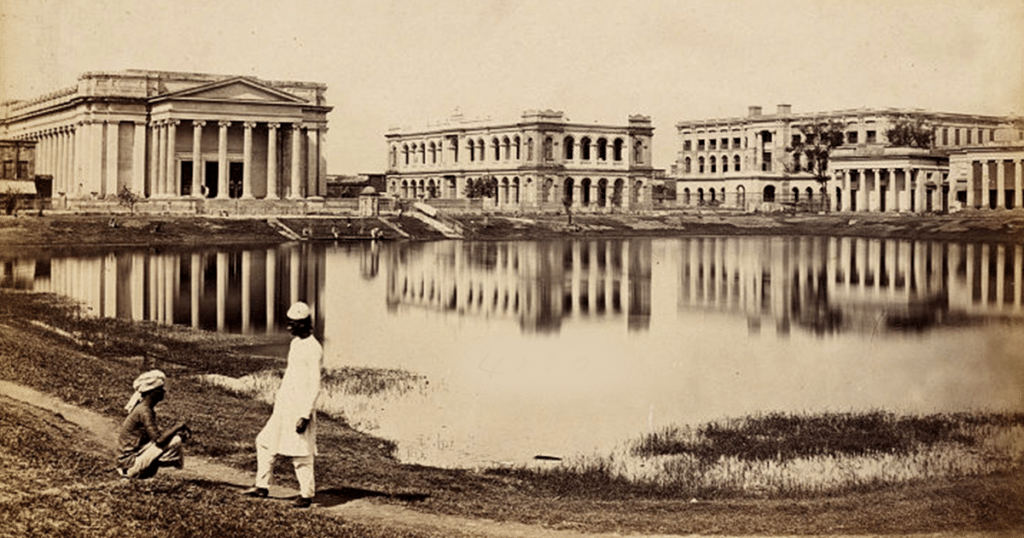
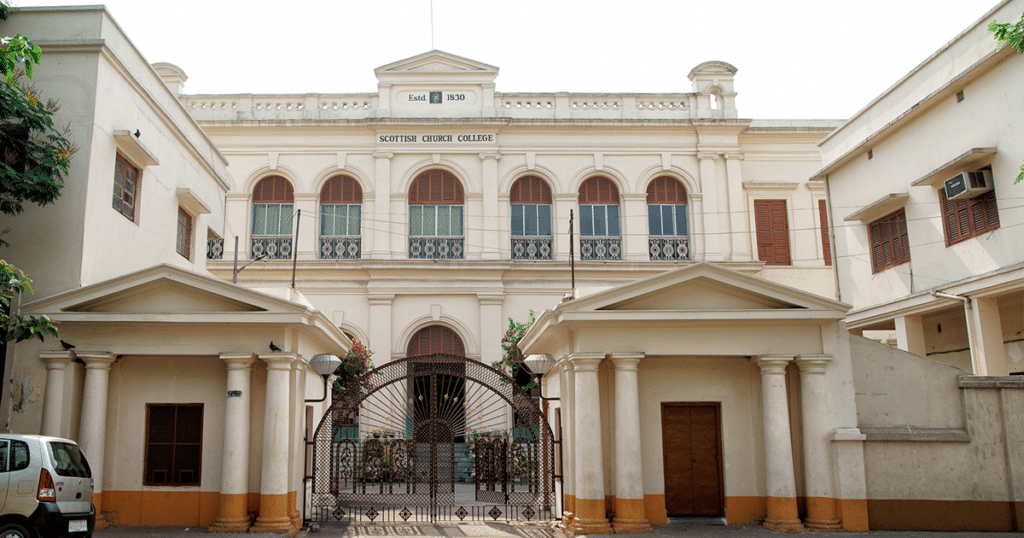
Not long after, Scottish Church College (1830) introduced a liberal arts tradition grounded in enlightenment ideals, thereby encouraging critical thinking, ethics, and philosophical inquiry.
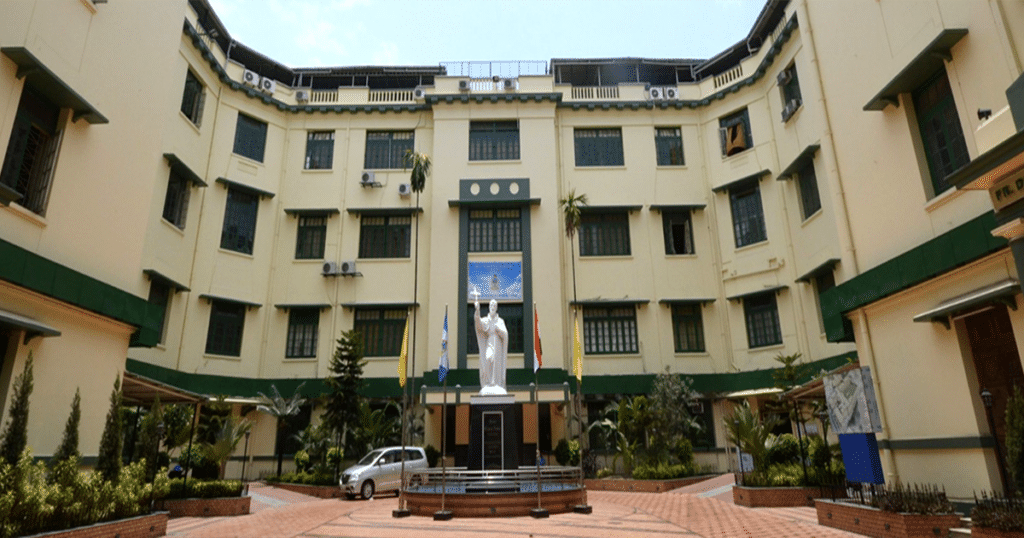
Kolkata’s early intellectual ecosystem was further reinforced through the establishment of St. Xavier’s College (1860), that introduced Jesuit discipline and a holistic educational approach. Its emphasis on academic excellence and extra co-curricular activities alongside character-building produced graduates who excelled across professions globally.
Equally transformative was Bethune College (1879), one of India’s earliest women’s colleges. At a time when female education was still contested and even being opposed, Bethune College redefined access, and went on to prove that knowledge and intellectual excellence transcend gender.
Education Expands Beyond Elite Circles: Kolkata Colleges Become Inclusive and Socially Aware
By the late 19th century, higher education – and education as a whole – in Kolkata began to move beyond colonial elite circles where only a privileged few had access to knowledge. Shaped significantly by reformist movements as the Brahmo Samaj, students from diverse backgrounds enrolled in Kolkata colleges.
This phase marked a subtle but important shift that eliminated exclusivity and paved the way for accessibility. From purely classical learning, the curriculum became enriched with diversified disciplines. From a heavy colonial influence, we begin to observe distinct Indian agency.
This powerful social transition was reflected in institutions like City College (1881). Rooted in rationalism and social reform, they promoted education that was not only modern but also ethical, inclusive, and socially aware, stressing on educating Indian students of “all races and creeds on an improved and comprehensive plan.”
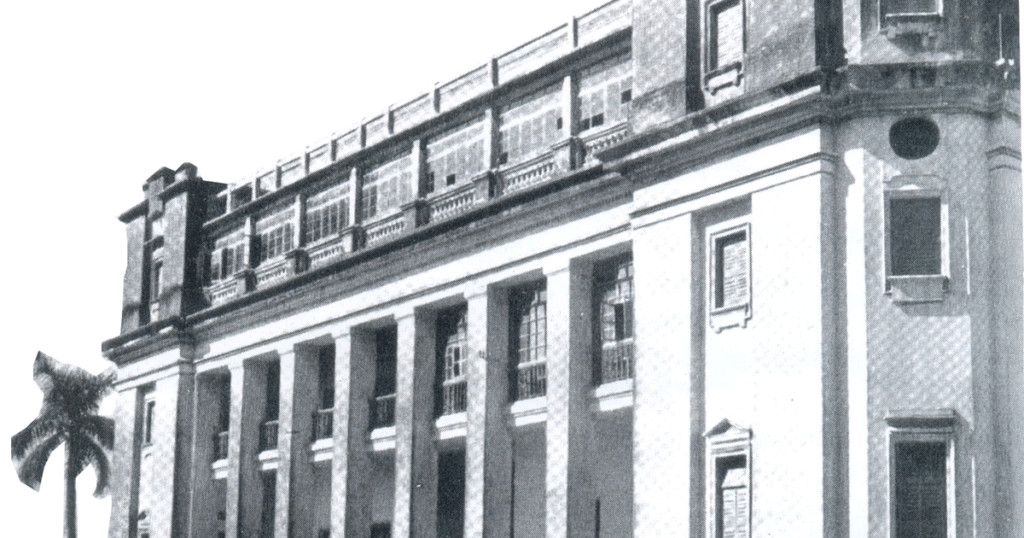
Early 20th Century Colleges: Kolkata’s Higher Education Landscape Broadens
The early 20th century marked a further decisive expansion in Kolkata’s academic culture as education became more inclusive and aligned with India’s evolving identity. Nationalist fervour had gained momentum. The youth were keen to align themselves with their Indian identity.
These colleges collectively reflect how Kolkata’s educational landscape evolved to become more representative and socially responsive.
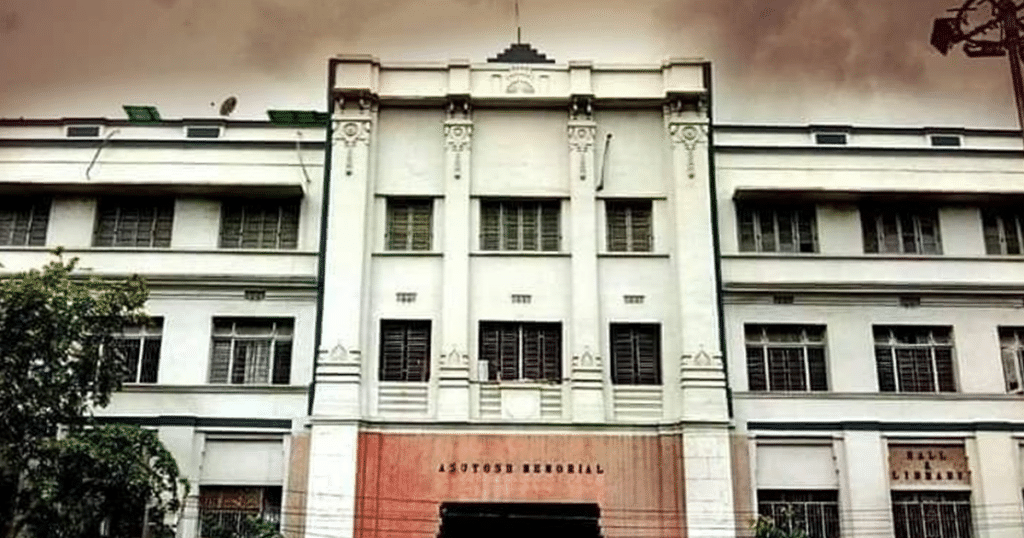
Asutosh College (1916), named after Sir Ashutosh Mukherjee, symbolised this shift. It combined academic excellence with accessibility, opening doors to a wider section of society while maintaining high scholarly standards.
Goenka College of Commerce and Business Administration (established in 1905 as Government Commercial Institute) mirrored the city’s rise as a commercial hub. What started as a fairly humble two-year course in commercial studies in Presidency College in 1903 soon acquired its own identity as a college of commerce having grown by leaps and bounds. As a college imparting higher education in commerce and business studies, it connected academia with real-world economic needs and went on to produce leaders in trade and finance.
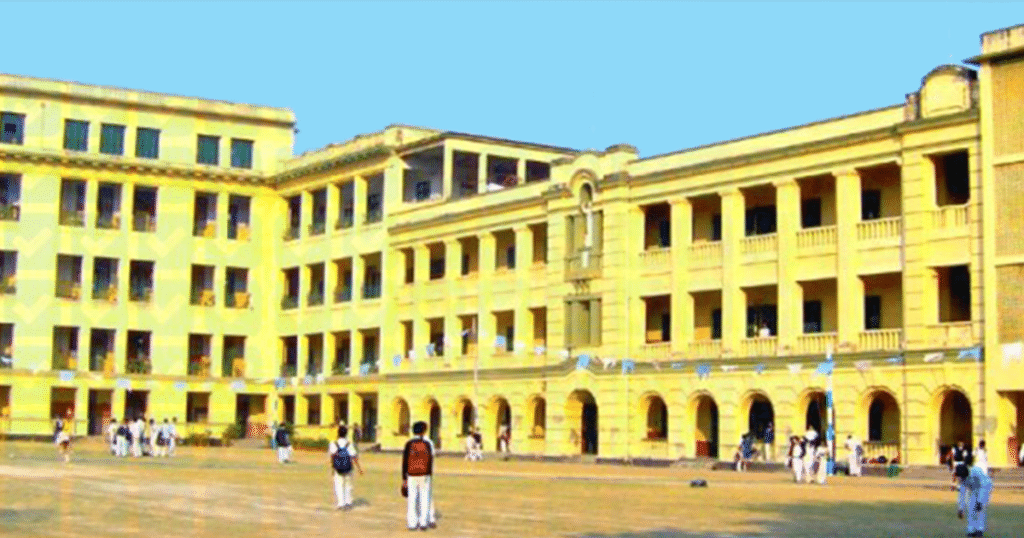
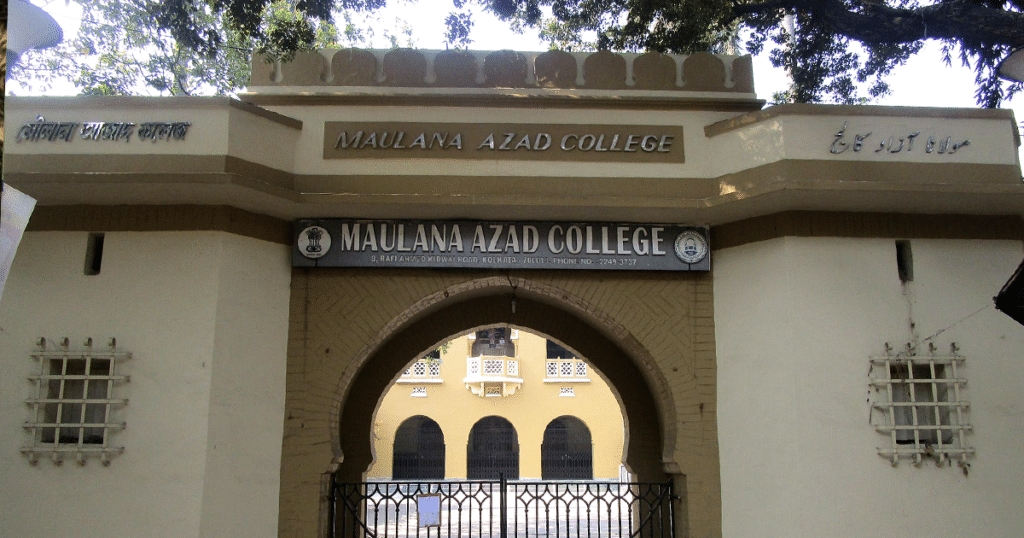
Maulana Azad College (established in 1926 as Islamia College), embodied Kolkata’s pluralistic ethos. It aimed to ensure that higher education reached diverse communities, underscoring inclusivity.
Formation of Women’s Colleges in Kolkata: Aiming to Create Empowered Women
If the 19th century laid the groundwork for women’s education in Kolkata, the early 20th century expanded it significantly. There were colleges specifically established to encourage and promote women’s education. These colleges transformed the academic ecosystem as a whole by ensuring that academics and intellectual spaces became more inclusive and gender-neutral.
Lady Brabourne College (1939) emerged as a progressive institution offering women access to high-quality education in arts and sciences. It fostered academic excellence alongside cultural engagement, helping shape confident, intellectually active women.
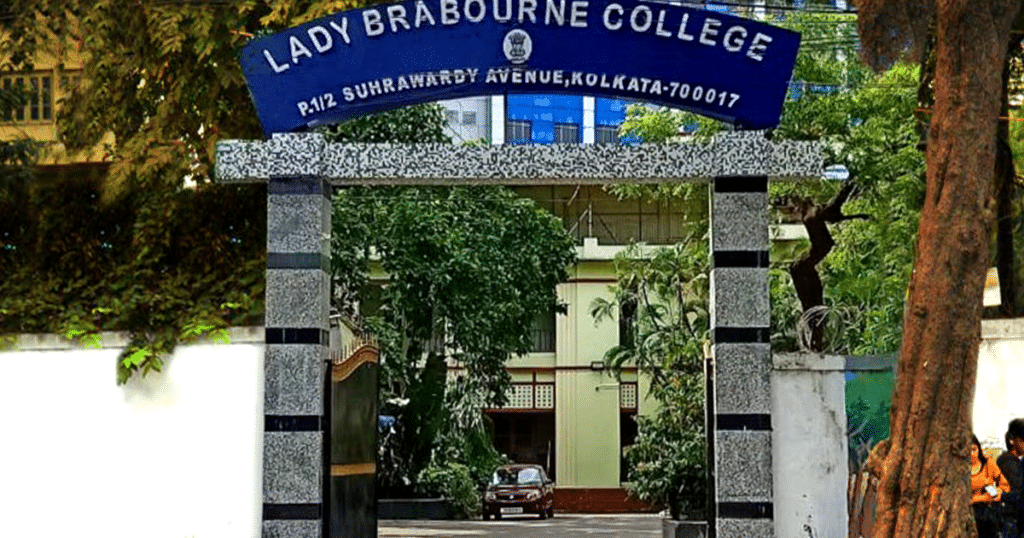
Jogamaya Devi College (1932) strengthened the presence of women in higher education, particularly in the humanities and cultural spheres.
Pre-Independence Legacy: Playing a Critical Role in Shaping a Nation’s Mind
By the time India approached Independence in 1947, Kolkata had firmly established itself as one of the intellectual capitals of the subcontinent. From the hallowed portals of these colleges emerged reformers and nationalists, writers and artists, scientists and thinkers, educators and administrators. More importantly, Kolkata’s legacy colleges cultivated a mindset rooted in inquiry, debate, and innovation – qualities that would prove essential in shaping a modern nation.
Kolkata’s Colleges: ‘Brands’ of Academic Excellence and Intellectual Credibility
What sets these institutions apart is not just their longevity, but the deep trust and recognition associated with their names.
To study at Presidency, St. Xavier’s, or Scottish Church was to inherit a legacy of intellectual distinction. Likewise, institutions such as Lady Brabourne or Asutosh College came to signify discipline, cultural awareness, and academic rigour.
Over time, in this sense, they came to be synonymous as brands of higher education, brands of academic excellence, brands of cultural and intellectual capital, brands of educational trust.
Unlike commercial brands, their reputations were built not through marketing, but through consistent scholarship, strong faculty, and societal contribution.
A Tale of Enduring Academic Heritage
Today, these historic colleges continue to thrive, not merely as institutions but as living legacies of intellectual tradition.
At Brand Chorcha, we love to classify them as “brands that impart higher education”, recognizing in the process, something deeper than simply reputation – an acknowledgement of their enduring identity as custodians of knowledge and culture. Kolkata’s academic story, therefore, is certainly not confined to the past. Despite challenges, it is an ongoing narrative – one that continues to shape minds, inspire enquiry, and uphold the timeless value of education as both a discipline and a distinction.