
How Tearooms and Restaurants Made Kolkata’s Park Street Iconic
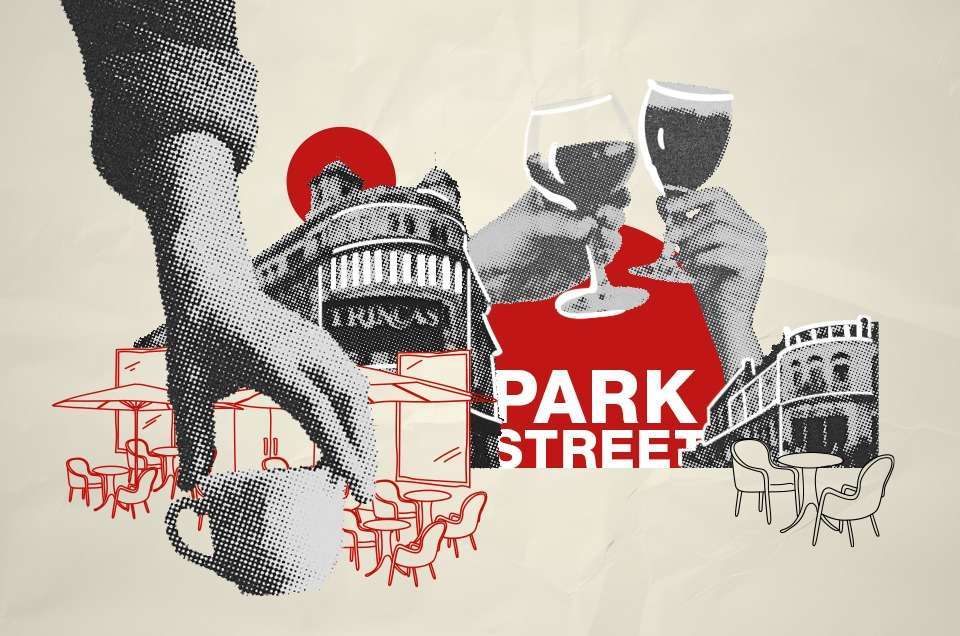
Over the years, Kolkata has grown as a city, expanding in all directions and annual visitors usually have something to exclaim about when they are visiting during Durga Puja or Christmas. “Oh, this seems new!” or “Don’t remember seeing this before?” are common remarks when you are escorting an old friend back on a Kolkata visit. But, if something has steadfastly held on over decades, it is the allure of Park Street and its hotspots. That is something that never changes.
Park Street is the premium Kolkata thoroughfare that branches off from J.L. Nehru Road and goes all the way to Park Circus. The area closer to Chowringhee is the bustling hub of iconic restaurants and nightlife, upscale stores, colonial-era architecture exuding an old-world charm and a buzzy atmosphere. No matter which direction the city stretches itself to, Park Street remains one of Kolkata’s most-visited places, a focal point they all keep returning to.
In this blog, Brand Chorcha explores how the celebrated tearooms and restaurants played a prime part in the evolution of Park Street creating its timeless appeal.
What’s In a Name? Quite A Lot, When It’s ‘Park Street’
Did you know that long before it became Kolkata’s glamorous address, Park Street was known as ‘Burial Ground Road’? The area was dotted with cemeteries and was far removed from the city’s social core. A sobering thought and quite unimaginable today.
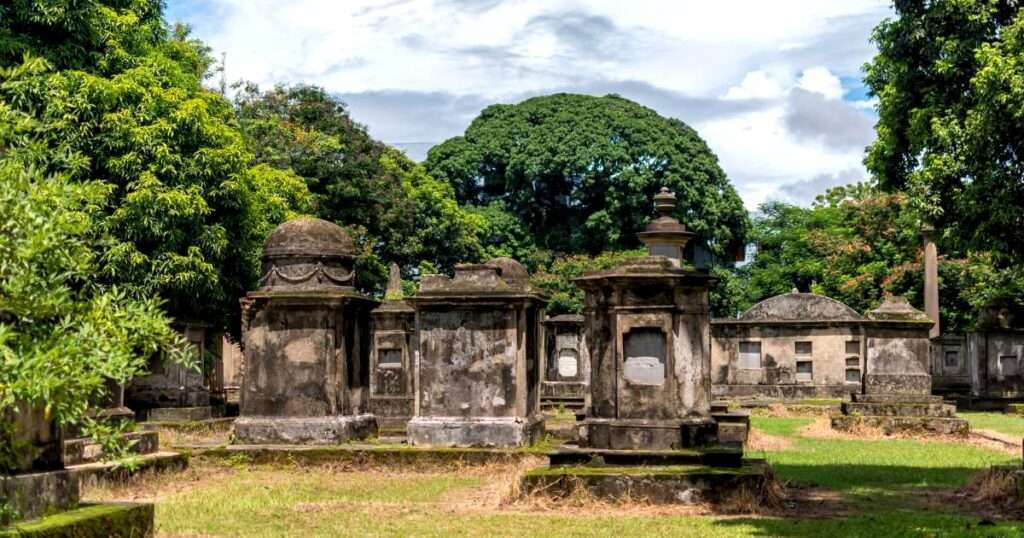
Thankfully, however, the name changed to ‘Park Street’, believed to have originated from a private deer park that once existed in the area, attached to the residence of Sir Elijah Impey who was the first Chief Justice of the Supreme Court of Judicature at Fort William from 1774 – 83. His estate that was located near the Chowringhee-Park Street junction had lush green grounds where deer reportedly roamed providing a genteel, almost pastoral contrast to the burial grounds nearby.
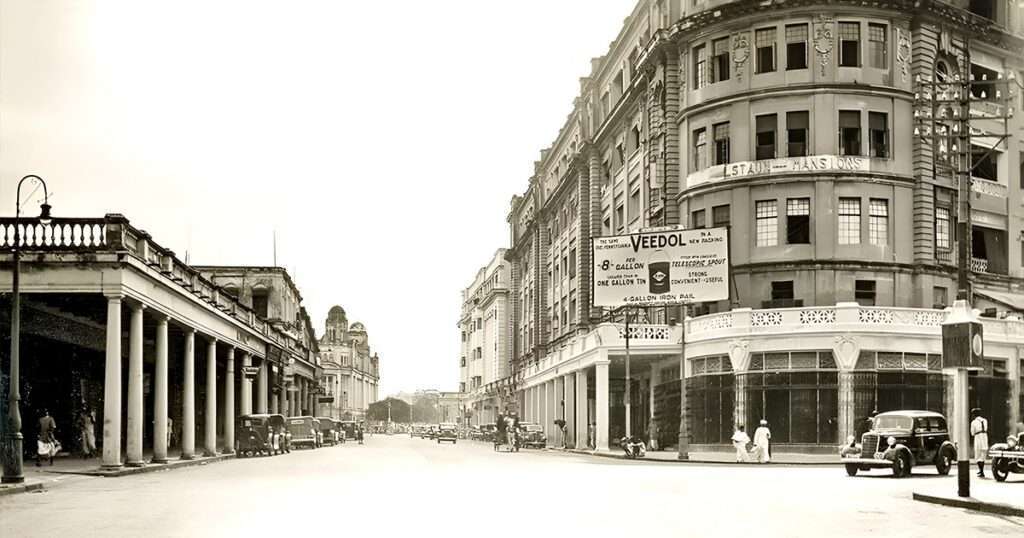
Over time, as Kolkata (erstwhile ‘Calcutta’) grew into the capital of British India, European residents brought with them their specific dining customs of afternoon tea, continental cuisine, and club culture, all of which gradually took root along this stretch.
Park Street began its evolution into Kolkata’s social boulevard where leisure and grace would eventually replace its earlier sombre association with mortality.
Tea and Tearooms in Park Street
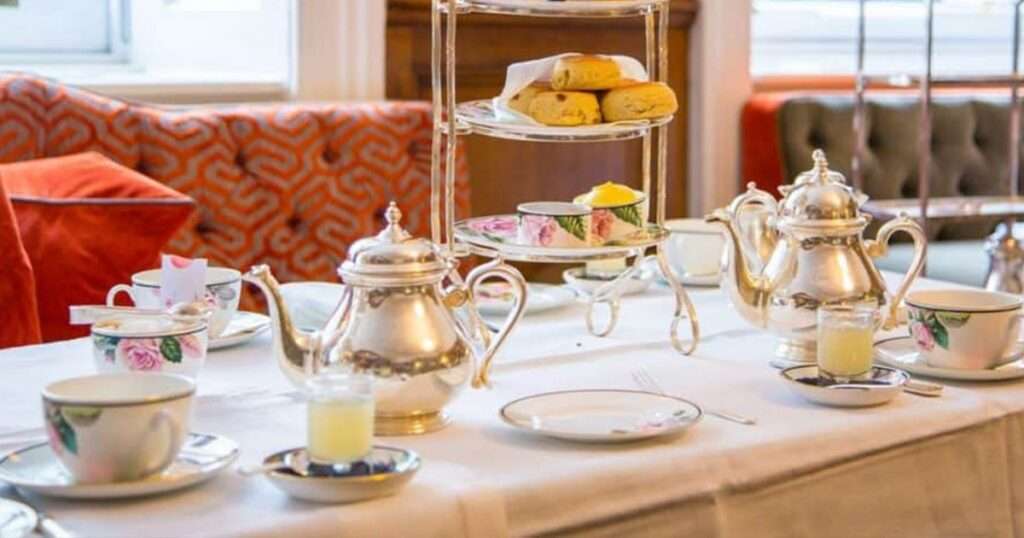
If one institution captures the soul of Park Street’s early days, it is Flurys. Established in 1927 by a Swiss couple, Flurys introduced Kolkata to the elegance of European tearoom culture, complete with fine chinaware, majestic chandeliers, dainty pastries and scones, and leisurely breakfasts.
As history proves, tearooms like Flurys were more than places to eat. They became cultural bridges. In a colonial city divided by race and class, these spaces gradually became more inclusive, allowing Indians to participate in what had once been exclusive European rituals.
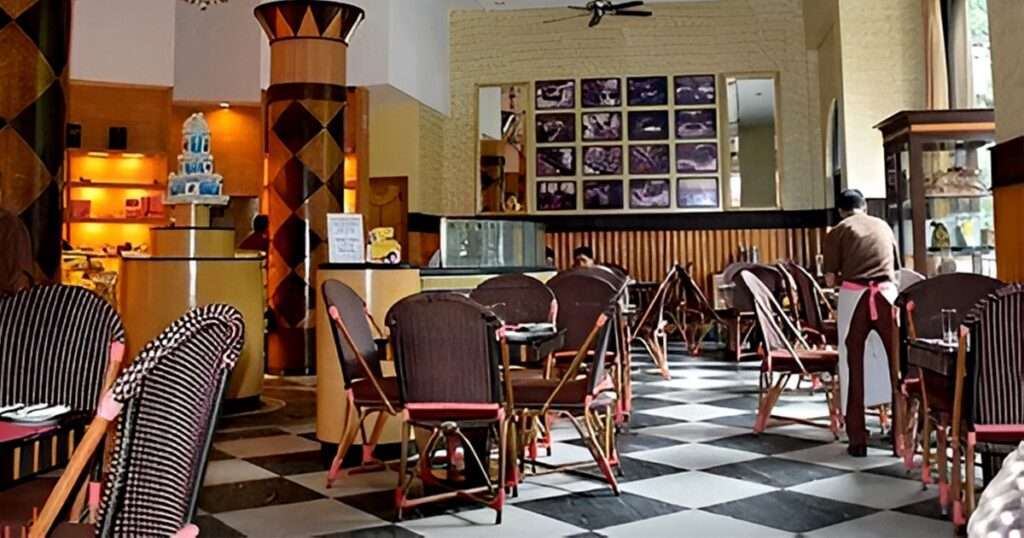
Tea, in this context, became a social equalizer. A cup of Darjeeling tea paired with a pastry symbolized aspiration, modernity, and participation in a global lifestyle. Over time, these tearooms became embedded in Kolkata’s identity—where business deals were struck, friendships forged, and generations introduced to the idea of “going out” for leisure.
Park Street’s Restaurants
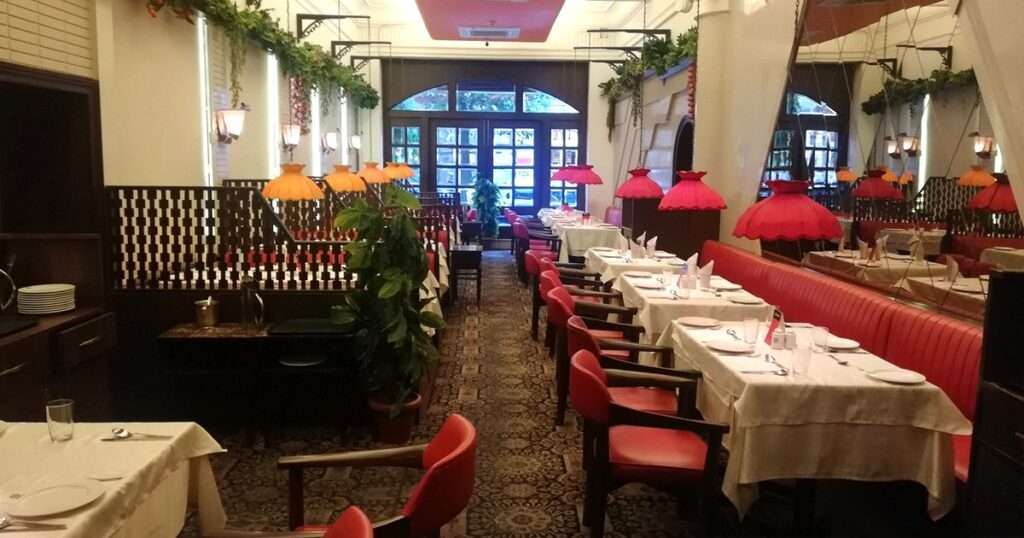
By the mid-20th century, Park Street had transitioned from polite tearoom culture to a vibrant dining and nightlife hub. Restaurants like Mocambo, Trincas, and Oly Pub became institutions in their own right.
These establishments introduced Kolkata to continental cuisine, cabaret performances, and live music, at an age when such elements that were rare elsewhere in India at the time. Mocambo became synonymous with classic continental dishes and a timeless dining atmosphere, while Trincas evolved into a “happening” venue for live bands and performances, a place where several talented artists looked forward to perform.
This era, that spanned roughly from the 1940s – 1970s was Park Street’s golden age. Musicians performed jazz and rock, Anglo-Indian cuisine flourished, and Park Street became a magnet for artists, intellectuals, and the city’s elite.
Dining here was never just about food. It was an experience and a sense of occasion that seemed to turn every meal into a memory.
Culinary Landmarks Dotting the Social Landscape
Park Street’s restaurants didn’t just serve meals; they shaped Kolkata’s culinary identity. The blending of European, Anglo-Indian, and Indian influences created a unique food culture that still defines the city.
Signature dishes—like the iconic Chelo Kebab at Peter Cat and Prawn Cocktail at Mocambo—became part of Kolkata’s collective memory. These were not fleeting trends but enduring symbols of the city’s cosmopolitan past.
Moreover, the clustering of such iconic eateries along one street created a powerful effect. Visitors could experience multiple cuisines and ambiences within walking distance, turning Park Street into a culinary destination rather than just a dining location.
This concentration of quality and variety is what earned Park Street its enduring reputation as Kolkata’s ultimate food street.
Making Eating-Out an Occasion to Celebrate
One of the most fascinating aspects of Park Street’s rise is how its eateries became stages for social interaction. In a pre-digital era, cafés and restaurants were where life unfolded. Birthdays were celebrated, romances blossomed, and artistic collaborations were born over coffee and cutlets.
For Kolkata’s intelligentsia and creative community, these spaces were extensions of their homes. Writers, musicians, and filmmakers frequented them not just for food, but for inspiration.
Even today, many senior Kolkata residents speak of Park Street with fond nostalgia. Says Hansel who has worked at Peter Cat since he was in his early 20s and is today the manager,” I see grand-parents walk in with their grand-children and order dishes that they used to have when they were starting out as young homemakers. Then, we watch the generations have a Chelo Kebab or Sizzler together while the older folks relive happy memories through personal anecdotes.”
In this way, the restaurants continue to define the street’s charm, blending heritage with modern reinvention.
Modern Times Call for Modern Ways – How Park Street’s Restaurants Adapted with Change
While Park Street has faced competition from newer dining hubs across Kolkata, it has continually reinvented itself. Older restaurants have tweaked their menus while retaining old bestsellers and signature dishes. New cafés, resto-bars, and global chains have joined the old guard, adding fresh energy to the street. Live music has changed genres to cater to contemporary diners.
The arrival of current-day dining concepts has expanded its appeal, and keeps attracting younger crowds. Today, a diner can move seamlessly from a vintage breakfast at Flurys to a sizzler lunch experience at Peter Cat and later to high-energy live music at Someplace Else—all within the same stretch.
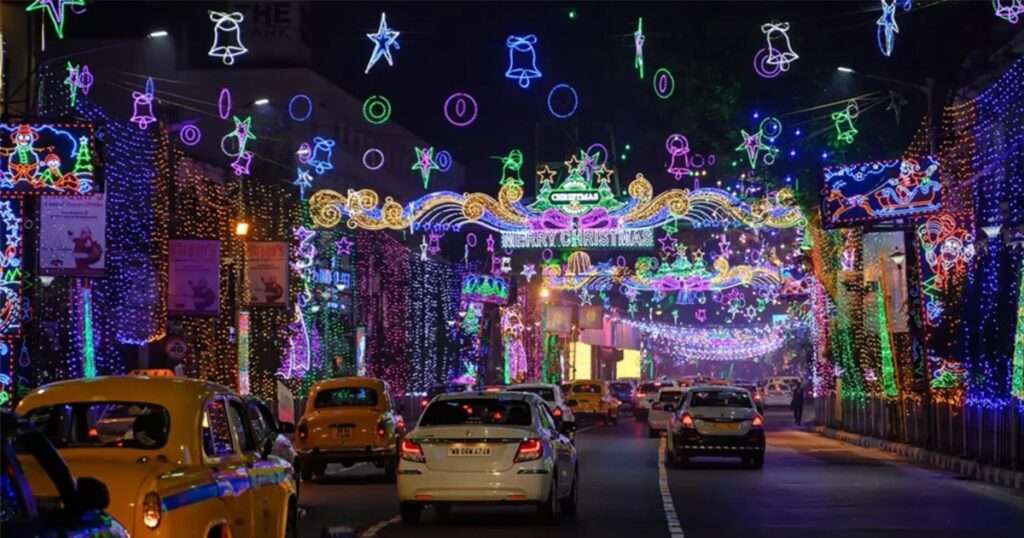
During the festive season of Christmas and New Year Park Street comes alive with the popular Kolkata Christmas Festival when lights, music, and overflowing crowds reaffirm its status as Kolkata’s cultural heart.
A Road for Cuisine and Conversations – Why Park Street Will Always Remain Relevant
For starters (pun intended), Park Street enjoys terrific locational advantage being situated bang in the middle of the central business district of the capital city of West Bengal. It is surrounded on all sides by institutions that matter – whether in terms of history and legacy, or business and commerce. Park Street is easily accessible at all times of the day.
Added to this, is the immense emotional connection that Kolkata’s residents have for Park Street. Says Mr. Ajin Dasgupta, now in his 70s,” This was the place to be when we were young boys. We came to Trincas for the dances and soda pops. Everyone used to look out for one particularly pretty girl – a famous actress’s daughter who later joined films herself – who was also a regular
on weekends. If she so much as smiled at you or said “Hello!”, your day was made.”
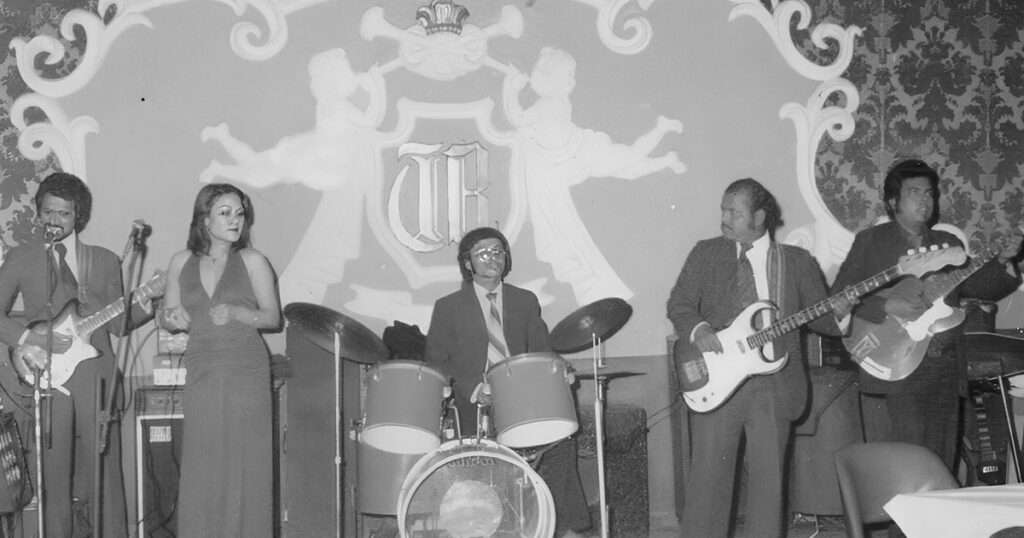
Despite changing times and shifting urban trends, Park Street continues to occupy an indelible part in many men and women’s memories – and they would like to keep revisiting Park Street from all corners of the world.
Today, Park Street represents continuity in a rapidly changing city, it is a ‘locality’ where the past and present coexist. The tearooms remind us of colonial elegance, the classic restaurants evoke mid-century glamour, and the new cafés emit a modern, global outlook. Few streets in India can claim such a layered identity, built almost entirely around dining.
At its innermost core, Park Street is definitely a story of people coming together, people of different ages, with different aspirations, with different expectations – all looking for an opportunity to socialize and make memories.
Tearooms introduced the culture of leisurely socializing, restaurants elevated dining into an art form, and together they transformed a once-forgotten road into Kolkata’s most iconic boulevard.
We believe Park Street will retain its magic forever. It never resisted change, but it absorbed new ways while staying true to its roots. That makes it unique – nostalgia blended with real-time.