
“It’s Time to Change the Narrative of ‘Nothing Ever Happens Here’. Each One of Us Should Step Up as Proud Brand Ambassadors of Our City and Our State.”
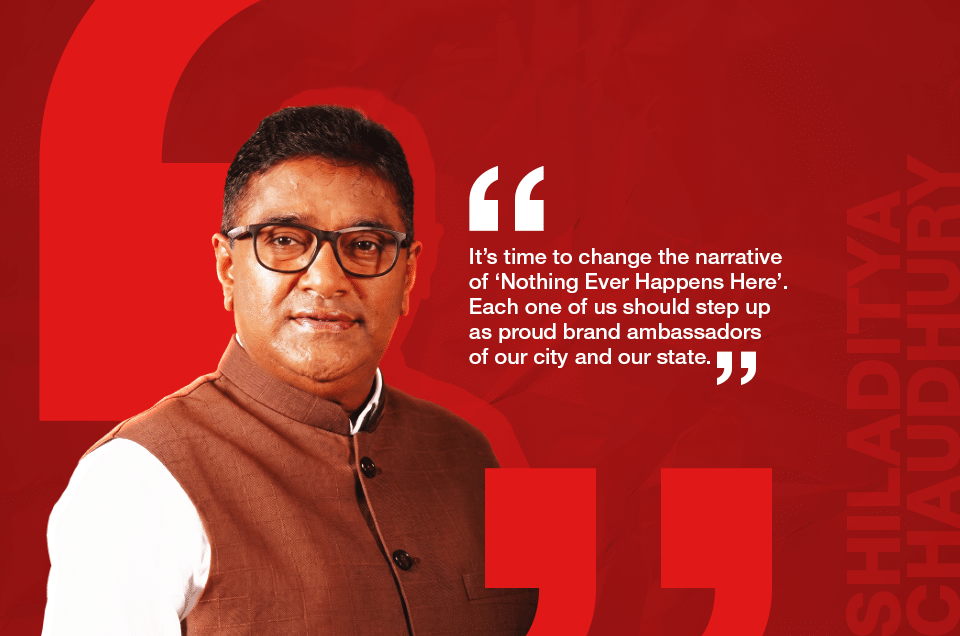
Says Shiladitya Chaudhury, Kolkata-based Communications Consultant and Restaurateur with brands like Oudh 1590, Chapter 2 and Chaudhury & Company, as he talks to Brand Chorcha.
Q – Thank you for speaking to Brand Chorcha. What does the term “Brand” mean to you?
A – To me, a brand is a carefully thought-out part of your offering. It is the heart and soul of a business that proclaims to the world what you are about. A brand is like a baby. You cannot create a brand and simply let it be. It has its own growth chart that needs to be supervised and monitored. Providing the right attention and security at infancy is crucial to ensure healthy growth. The better you do it from the beginning, the richer are your dividends in the years to come.
A brand is not a static entity. Rather than being defined by a fixed logo or strict marketing guidelines, it keeps readjusting and recalibrating itself according to changing times, market trends, customers and audiences. Consider Coke and Mahindra, for instance – watch how they keep ensuring they are relevant and contemporary to newer generations of customers.
Q – How does one ensure that your brand remains, as you mentioned, the “heart and soul” of your business?
A – First and foremost, be clear about the positioning of your product or offering. Do your research painstakingly. Know your competition. Keep track of market developments across the nation. Don’t leave the international market out. With all the information you have gathered, create your own yardstick and develop your own brand standards. Keep a lookout for newer information that can reinforce and strengthen your own brand standards. It is an ever- ongoing process.
Q – Tell us about your own brand “babies”.
A – We never cut back on market research. For instance, when we started Oudh 1590, it required a tremendous amount of research which was primarily done by our own selves, my younger brother, Debaditya and me.
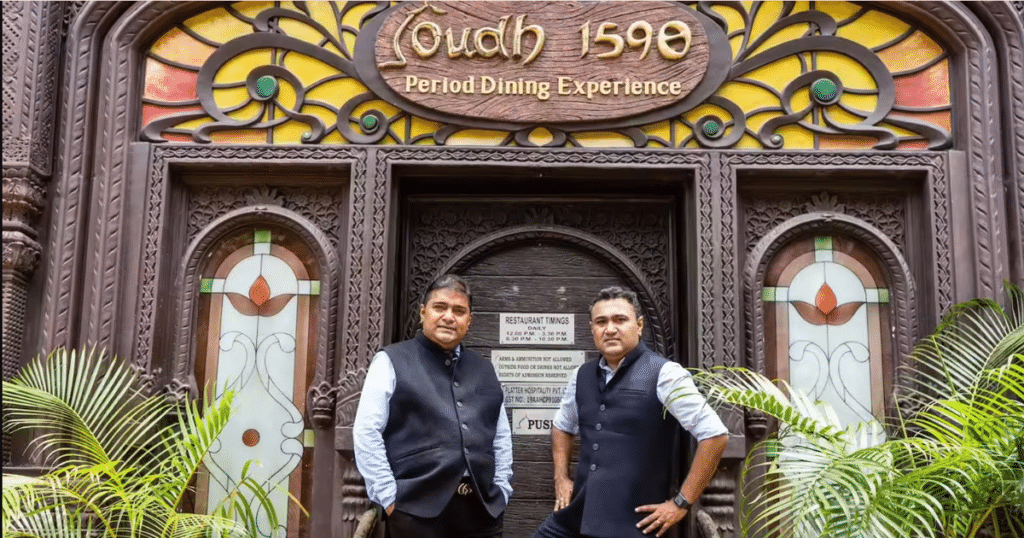
The right kind of research will produce a wealth of information. We realized that while the Kolkata Mughlai cuisine market had several players there was a distinct gap between the fine-dining restaurants and basic Mughlai eateries. (Use There were some that were legendary but fell behind in terms of location and ambience. While they were offering wonderful fare – and I am a self-confessed fan of several of them – what about food lovers who were looking for great food priced just right for their pocket offered in a tasteful ambience?
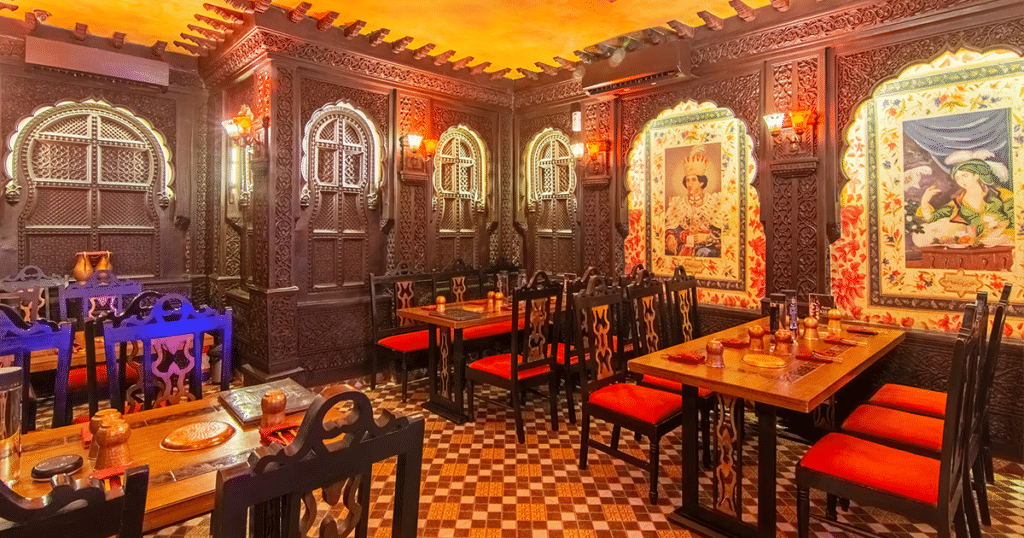
We decided to create brand Oudh 1590, a chain of restaurants in prominent locations that would cater to this gap. Oudh 1590, we determined, would be the city’s first period-dining restaurant where we would recreate a piece of Lucknow in Kolkata through the ambience, décor, music, costumes that the staff wore, right down to the menu. It would be classy but affordable to the average food buff.
Back then, Awadhi food in Kolkata meant only biryani and kebabs. Debaditya and I made numerous trips to Lucknow to understand the nuances of Awadhi lifestyle including the complexities and finer points of the cuisine.
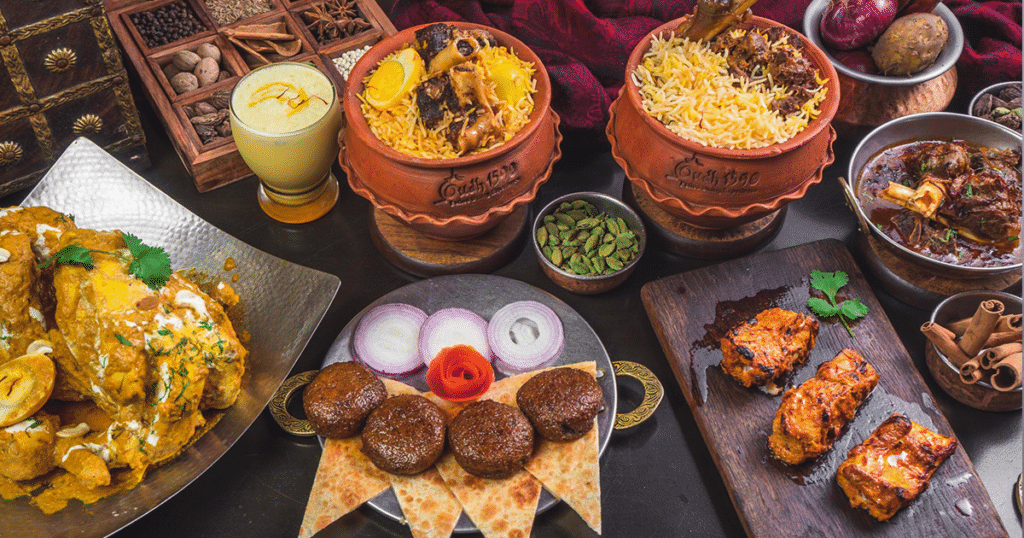
We were determined to imbibe them through personal experience than depend on secondhand information. Gradually, all the curated information was distilled and brand Oudh 1590 was born. You apply a similar methodology when giving birth to any brand.
Q – Speaking of Kolkata, the city had been at the forefront of business and commerce for a long time before other Indian cities took over. Do you think a resurgence is possible?
A – Kolkata has been the fountainhead of Renaissance, be it industry, or commerce, education, culture, even revolution for Indian independence. Kolkata has always led from the front and shown the path to other states. Unfortunately, with the Naxalite movement and Marxist uprising in the late 60s and early 70s, extreme trade union militancy and intense political warfare and bloodbath set in leading to swift structural and economic collapse in the state.
The decline of the industry that started with the Left rule continued over the years despite the well-meaning intentions of some political leaders like Buddhadeb Bhattacharya and Mamata Banerjee. The average middleclass youth became acutely averse of taking the risk of entrepreneurship. It seemed safer to bag a salaried job, preferably the security of a government job, and continue a mediocre, subdued existence and this came to be represented as the ‘Bengali Bhadrolok’ culture.
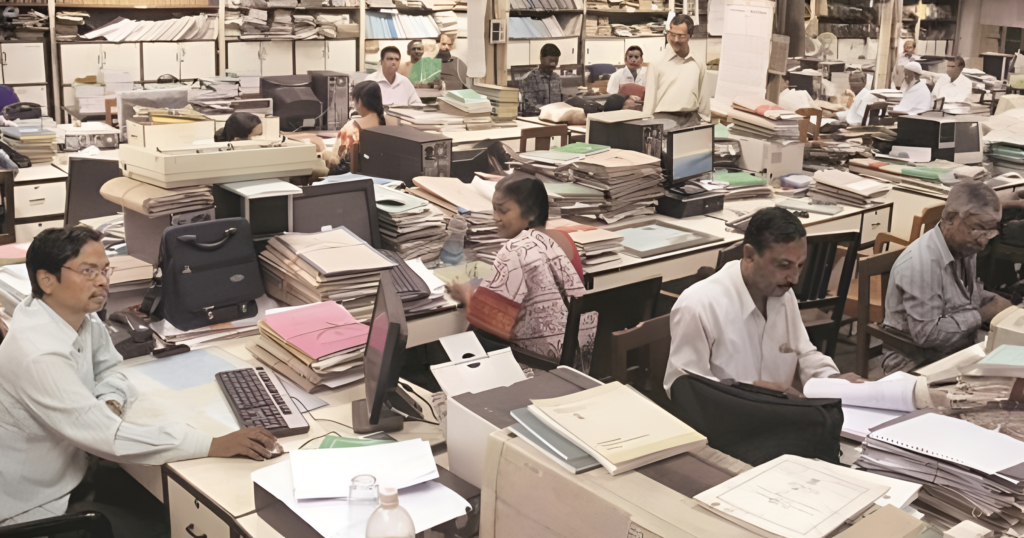
Sadly enough, this led to a massive brain drain from the state as ambitious youngsters started leaving in droves in search of better livelihoods elsewhere. This became evident in the 90s, and gained momentum in the 2000s and beyond.
It is heartening to note that there is a distinct reversal of this trend. While certain age-old, time-tested business organizations continue to exist in Kolkata, there is a clutch of new business entrepreneurs making a name for themselves and their brands across the country. These are brands driven by proud Bengalis from West Bengal who are keen to reverse the situation and take Kolkata back to its days of former glory.
Q – How optimistic are you about the state’s new political scenario?
A – I am extremely optimistic that with the recent change of government; business and commerce will get that extra impetus that will propel us to better times. With the right kind of governmental thrust that we are looking forward to, the state is poised for big things.
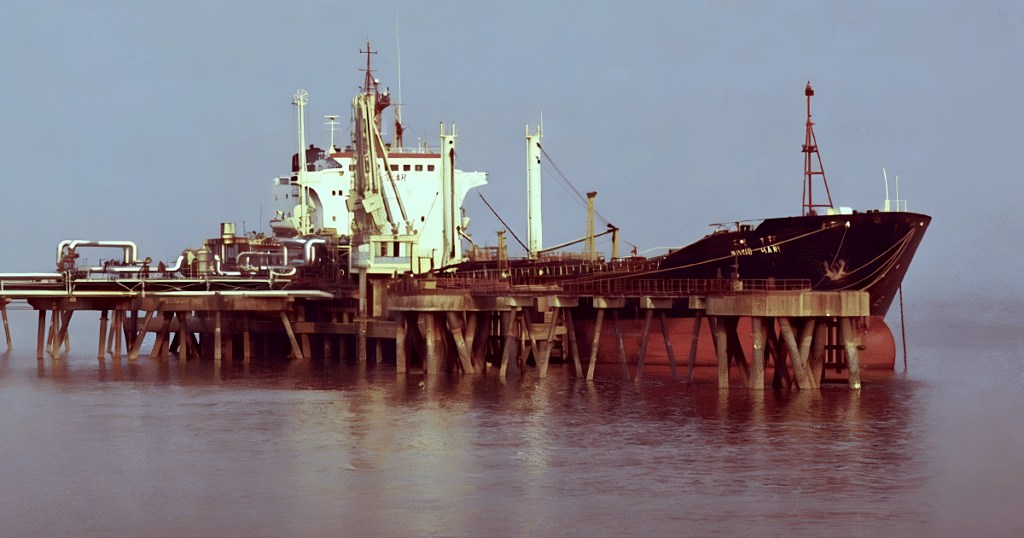
West Bengal already has terrific geographical advantage. Our ports in Kolkata and Haldia (Syama Prasad Mookherjee Post) that faced neglect in the past decades will begin to function actively as critical maritime gateways for eastern and north-eastern India as well as the Far East. They will support both regional as well international trade.
Our state features incredibly diverse landscapes from snow-capped Himalayan peaks to the world’s largest mangrove forest. It is a treasure trove of heritage and culture. I see a distinct opportunity for substantial growth in travel and tourism.
I believe that the state’s strategic location, abundant natural resources, and talented manpower will be able to transform it into a competitive hub, both for manufacturing and agriculture.
Q – Any last thoughts?
A – It is important to shed our old thoughts and inhibitions about the state and city being in perpetual decline. It is time to change the narrative of ‘nothing ever happens here’. Stop saying negative things about the state and the city. Instead, look for ways to redeem the situation with whatever capability and capacity you possess.
In my own humble way, I actively speak on the positive aspects of my state when I travel to other places. In hotels I stay, I often find entry and mid-level Bengali staff. I encourage them to return to the state by giving them my card and asking to call me so I may arrange a suitable opening in my own establishments. Each one of us should step up as proud brand ambassadors of our city and our state.