

HOW TEA BRANDS GAVE KOLKATA A GLOBAL NAME

Despite the countless upheavals the city has faced over the years, Kolkata continues to be celebrated as India’s cultural capital. Even today, Kolkata is the undisputed flagbearer among Indian cities when we discuss literary and artistic heritage and intellectual exchange. But it’s also a fact that the city boasted of a thriving commerce and business scene not so long ago in history. And, one of the most enduring contributions not only to national but also to global economy came from tea. Major tea brands helped put Kolkata firmly on the map of the world.
From iconic tea companies and auction houses to exporters and blenders, Kolkata played a pivotal role in transforming Indian tea into a globally recognized product. Despite global competition, Bengal’s (and by extension, North Bengal) teas are still sought after by connoisseurs and for more than a century, Kolkata has been the nerve centre of India’s tea trade, connecting famous tea gardens of Darjeeling and the Dooars with consumers across the world. Tea Board of India has its headquarters in Kolkata and so is the largest broking firm and auctioneer.

The story of Kolkata’s tea brands is therefore not just a tale of commerce – it is also one of how a city became synonymous with one of the world’s most beloved beverages. In this blog by Brand Chorcha we discuss how the city’s tea brands made India famous. While some of the original businesses may have diversified or moved entirely into other sectors, a few still continue to make their way into teacups and tea houses across the world.
Kolkata: The Heart of India’s Tea Trade
The connection between Kolkata and tea dates back to the British colonial era. As the capital of British India until 1911 and the country’s most important port city, Kolkata became the natural gateway for tea exports.
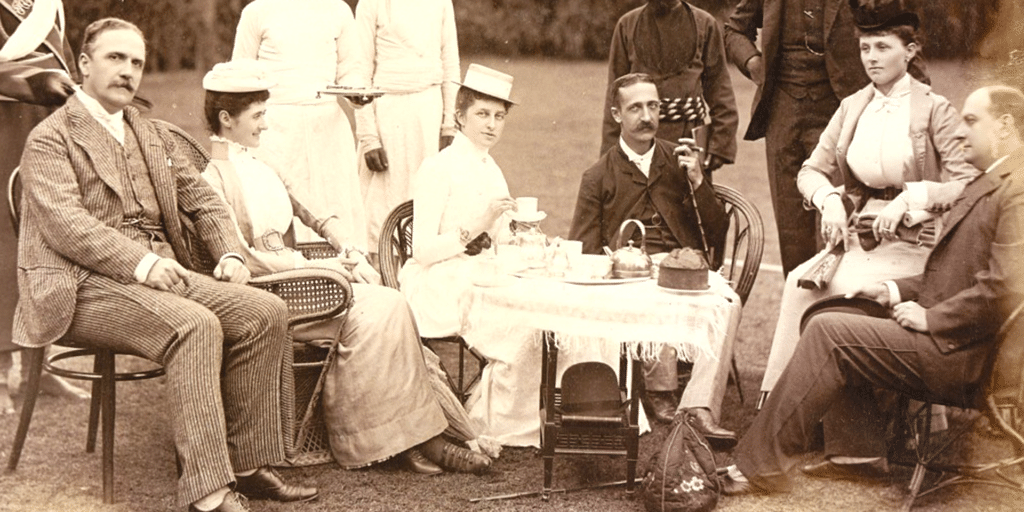
Tea grown in the hills of Darjeeling and the plains of Assam was transported to Kolkata, where it was auctioned, blended, packed, and shipped to destinations across Europe, North America, and the Middle East.
Over time, the city developed a sophisticated ecosystem around the tea industry. Banks financed plantations, brokers facilitated trade, exporters managed international shipments, and tea companies launched brands that would go on to become household names.
The Rise of Iconic Tea Brands from Kolkata
Several tea companies established their headquarters or major operations in Kolkata thus helping the city emerge as a global tea hub. Successful brands of these companies reinforced Kolkata’s reputation as the commercial home of some of the finest teas produced anywhere in the world.
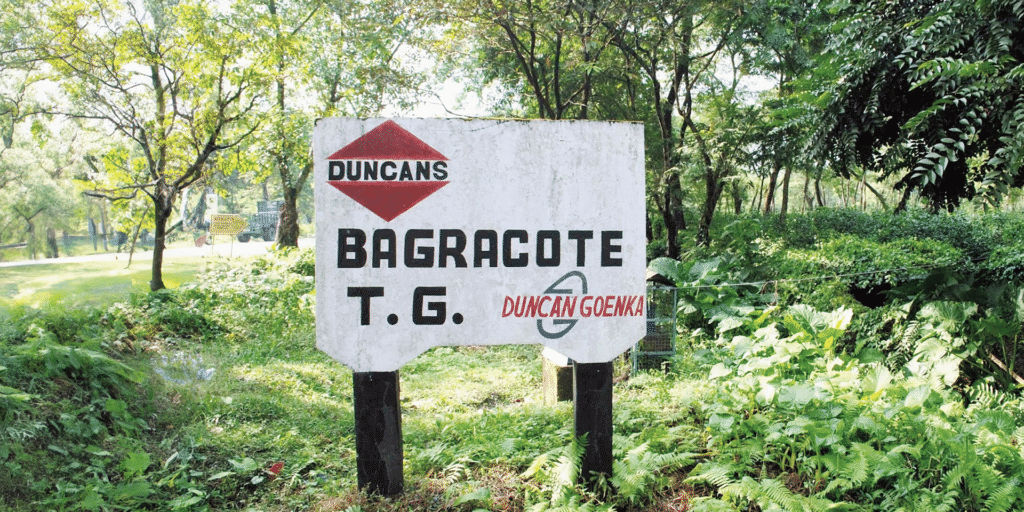
Duncan: Creating the Plantation Legacy
One of the earliest and most influential names in the tea industry was Duncan. The company managed extensive tea estates and played a significant role in expanding the reach of Indian tea in international markets. Its operations highlighted Kolkata’s importance as a centre of plantation management and export activity.
Goodricke: The Darjeeling Connection
Goodricke became closely associated with premium Darjeeling tea, often referred to as the “Champagne of Tea.” Through its estates and international distribution network, the company helped introduce tea lovers around the world to the distinctive flavour of Darjeeling. Even today, the company’s bestsellers include their range of fresh, single-estate Darjeeling teas.
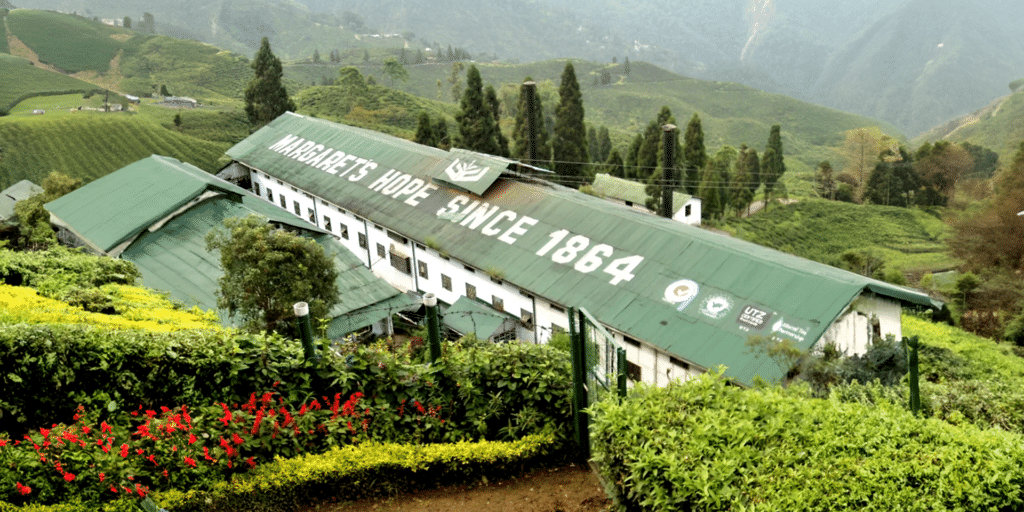
Apeejay Tea: Giving a Modern Brand-building Spin to the Old Commodity
Times changed and consumer markets evolved. It became imperative that tea companies adapt themselves to the newer tea-drinkers and demonstrate how traditional tea businesses could adapt to changing tastes. Apeejay Tea from the Apeejay Surendra Group started offering a curated consumer range featuring green teas, flavoured infusions, and organic teas that found a sweet spot with the new generation. By combining plantation expertise with modern branding and marketing, the brand put a new and contemporary spin to traditional teas.

McLeod Russel: Rich Enduring Tea Legacy
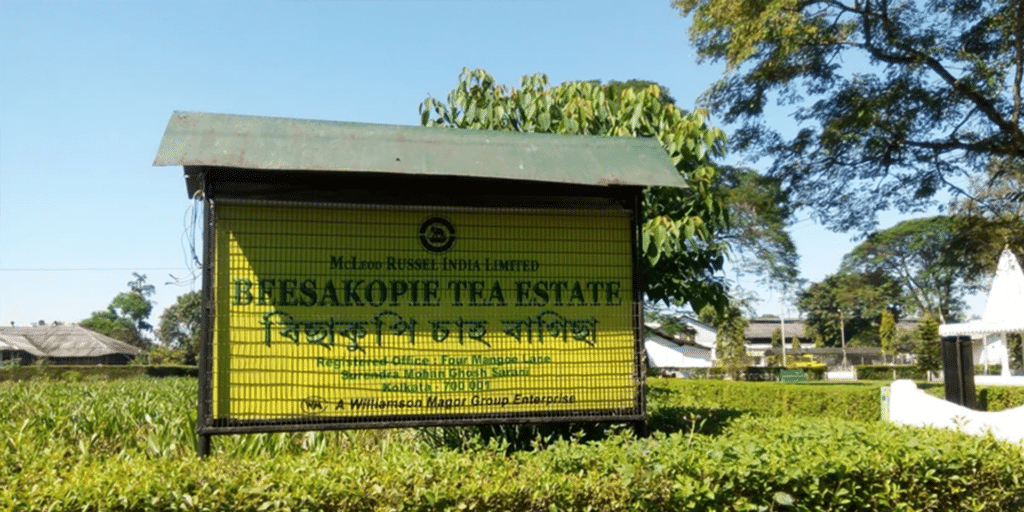
No discussion of Kolkata’s tea heritage is complete without mentioning McLeod Russel India. Founded through the historic Williamson Magor tea enterprise in colonial Calcutta, the company grew to become one of the world’s largest tea producers and remains among the most recognizable names associated with Kolkata’s tea industry. With tea estates spread across Assam and the Dooars, McLeod Russel played a major role in taking Indian tea to international markets and strengthening Kolkata’s position as a global tea capital.
Like much of the tea sector, McLeod Russel has faced financial and operational challenges in recent years, including debt restructuring and industry-wide cost pressures. Yet its continued presence underscores the resilience of Kolkata’s tea ecosystem and the enduring value of the brands that emerged from the city.
New Challenges in a Changing Tea Landscape
While Kolkata remains one of India’s most important tea-trading centres, the industry today faces a very different environment from the one that helped establish its global reputation.
The city’s traditional tea companies now compete not only with large national brands but also with international producers from Kenya, Sri Lanka, China, and other tea-exporting nations. At the same time, changing consumer preferences, rising labour costs, climate-related disruptions, and fluctuations in global demand have increased pressure on established players. Industry bodies have repeatedly highlighted concerns over declining auction prices, higher production costs, and competition from lower-cost imports.
Reinventing for the Modern Consumer
Kolkata’s tea companies have responded by adapting rather than retreating. Many have expanded into premium teas, specialty blends, wellness-focused products, direct-to-consumer sales, and international e-commerce channels. The growing popularity of single-estate teas, organic varieties, and tea tourism has also opened new opportunities for established brands.
While Kolkata may no longer enjoy the near-monopoly it once held over India’s tea trade, its leading companies continue to command respect in both domestic and international markets. Their strength today lies not merely in volume but in heritage, expertise, quality, and the global reputation they have built over generations.
The Kolkata Tea Auction: A Global Marketplace
No discussion of Kolkata’s tea heritage is complete without mentioning the famous tea auction system.
For decades, tea auctions in Kolkata served as one of the most important marketplaces for tea trading worldwide. Buyers from different countries participated directly or through representatives, bidding on teas from renowned estates.
These auctions established market prices, facilitated international trade, and connected producers with global buyers. In many ways, Kolkata functioned as the financial and commercial capital of India’s tea industry.
The city’s tea auction tradition also strengthened its standing among international traders, many of whom viewed Kolkata as the place where the world’s best teas were bought and sold.
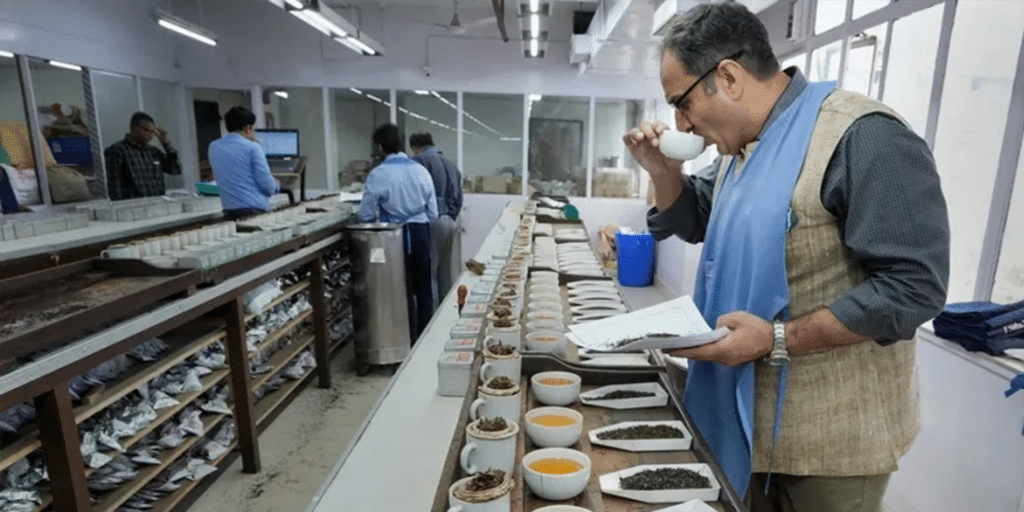
Darjeeling Tea Becomes Kolkata’s Global Ambassador
Although Darjeeling tea is grown in the Himalayan foothills, Kolkata played a crucial role in taking it to the world.
The city’s exporters, brokers, and tea houses helped create and maintain the premium image associated with Darjeeling tea. Through careful branding, quality control, and international marketing, Darjeeling became one of India’s most respected geographical products.
Today, tea enthusiasts in London, Tokyo, Paris, and New York often associate Darjeeling tea with the broader tea-trading traditions centred in Kolkata.
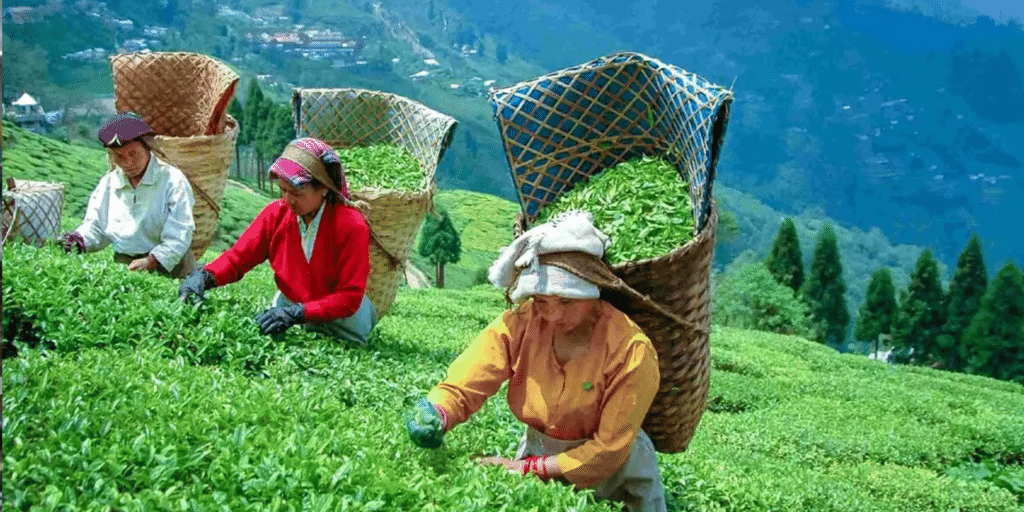
In 2004, Darjeeling tea made history as the very first Indian product to receive a Geographical Indication tag.
Beyond Business: Creating a Tea Culture
The influence of Kolkata’s tea brands extended beyond exports and commerce. They also contributed to the growth of tea culture itself.
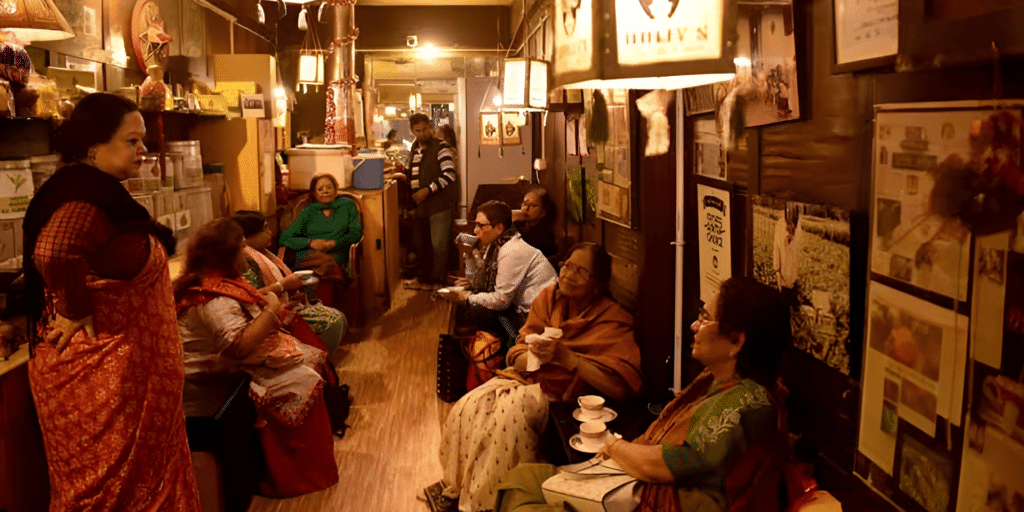
Tea rooms, tea lounges, and specialty tea stores became part of the city’s social fabric. Discussions about tea quality, origin, and brewing methods were common among traders and enthusiasts alike.
This deep-rooted tea culture helped preserve knowledge and expertise that continue to support the industry today.
Adapting to a Changing World
The global beverage market has changed dramatically in recent decades. Consumers now seek organic products, specialty teas, sustainable sourcing, and unique flavour experiences.
Many Kolkata-based tea companies have responded by embracing innovation. Premium packaging, direct-to-consumer sales, e-commerce platforms, and specialty tea offerings have enabled them to reach new generations of customers around the world.
At the same time, the city remains an important centre for tea exports, trade services, and industry expertise.

Before We Go…
Kolkata’s relationship with tea is one of the most remarkable chapters in India’s commercial history. While the tea itself may be grown in the hills of Darjeeling or the estates of Assam, it was Kolkata that helped transform these regional products into global brands.
Through influential tea companies, world-renowned auctions, skilled tea tasters, and an enduring culture of trade, the city established itself as one of the great tea capitals of the world. Even today, when someone enjoys a cup of premium Indian tea thousands of miles away, there is a good chance that Kolkata’s legacy played a part in bringing that experience to life.
In many ways, tea did more than create successful businesses—it helped give Kolkata a distinguished place on the global map, one cup at a time.