
Upholding the City’s History and Legacy – Kolkata’s Heritage Clubs

Old Clubs of Kolkata – Balancing Echoes of a Bygone Empire with Rhythms of Today
Kolkata is often described as “The Most Soulful City of India” and residents of Kolkata not only believe in the epithet but are willing to defend it wholeheartedly. One of the major reasons is because Kolkata is a city where history lingers on gently in many facets of everyday life, evoking a sense of vintage, soulful aesthetic. This includes some old establishments that have evolved into brands in their own right over time.
In this fascinating city of memories are certain old heritage clubs that are living institutions who have quietly witnessed the rise and fall of the British empire including the awakening of a nation and its determined march to independence. Post the emergence of an independent India, these heritage clubs of Kolkata have watched the evolution of a new Indian urban culture. Needless to say, there is considerable history in their stately porticos and wide verandas, their sprawling grounds and imposing libraries.
While the word ‘club’ usually denotes organizations where groups meet for recreational, sporting, or social cause in our times, the old Kolkata clubs were essentially meeting places of a likeminded gentry with ultra-refined culture and etiquette. With their artistic architectural layout and well-appointed interiors, they were indeed great places to meet and greet, reinforce traditions, celebrate special events, and together make memories. Thus, Kolkata’s heritage clubs emerged as repositories of tradition and collective memory.
The heritage clubs of Kolkata narrate the story of the march of the city’s history. Starting as the British empire’s exclusive social strongholds, these legacy-rich institutions are today all about inclusive Indianness that emerged from a colonial background. In a sense, they mirror the city’s own evolution over the past centuries.
The Bengal Club: Colonial Power Quietly Transformed to Indian Inclusiveness
Founded in 1827, the Bengal Club represents one of the oldest and most emblematic clubs in India. Created as an exclusive enclave for British officials, it was once considered the social nerve centre of colonial Kolkata (then ‘Calcutta’). Its high ceilings, polished wood interiors, and meticulously preserved traditions are still reminiscent of that era.
Yet, the Bengal Club is also a story of transforming political and social scenario and accompanying change. Indians were admitted only in the mid-20th century marking a significant shift from exclusion to inclusion. Today, while it retains its old-world decorum—formal dining, dress codes, and quiet sophistication—it reflects a diverse membership. The club’s enduring charm lies in this beautiful balance – it has not abandoned its past, but neither is it trapped within it.
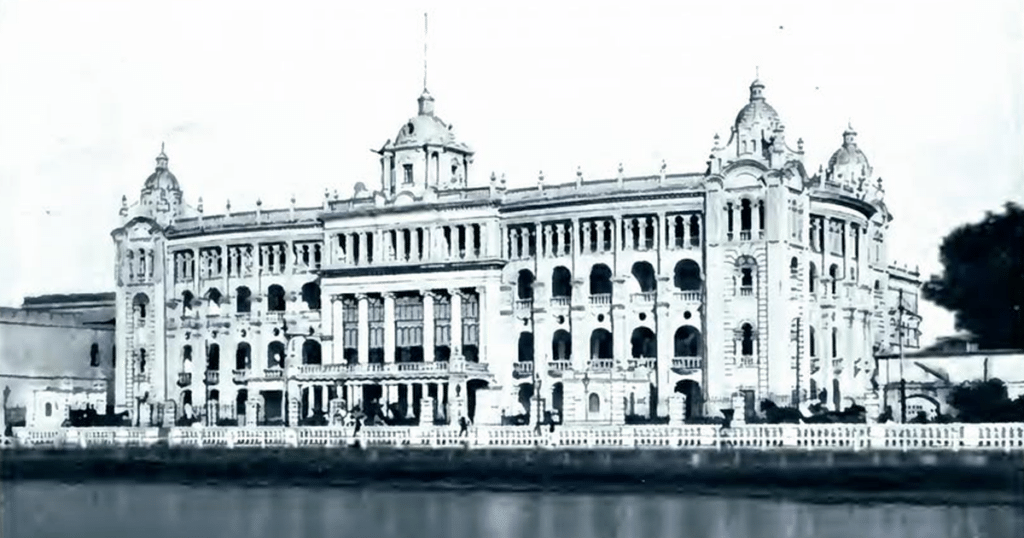
Calcutta Club – Testament to Indian Identity
If the Bengal Club represents colonial authority, the Calcutta Club symbolizes Indian assertion. Established in 1907, it emerged as a response to the racial exclusivity of British clubs and offered Indian elites a dignified social space of their own.
Over time, Calcutta Club became a hub of intellectual and cultural exchange. Distinguished figures from politics, arts, and academia passed through its halls, transforming it into more than a social venue—it became a forum for ideas. Calcutta Club’s architecture and collections, rich with artifacts and artworks, further reinforce its status as a living museum of the city’s refined cultural life.
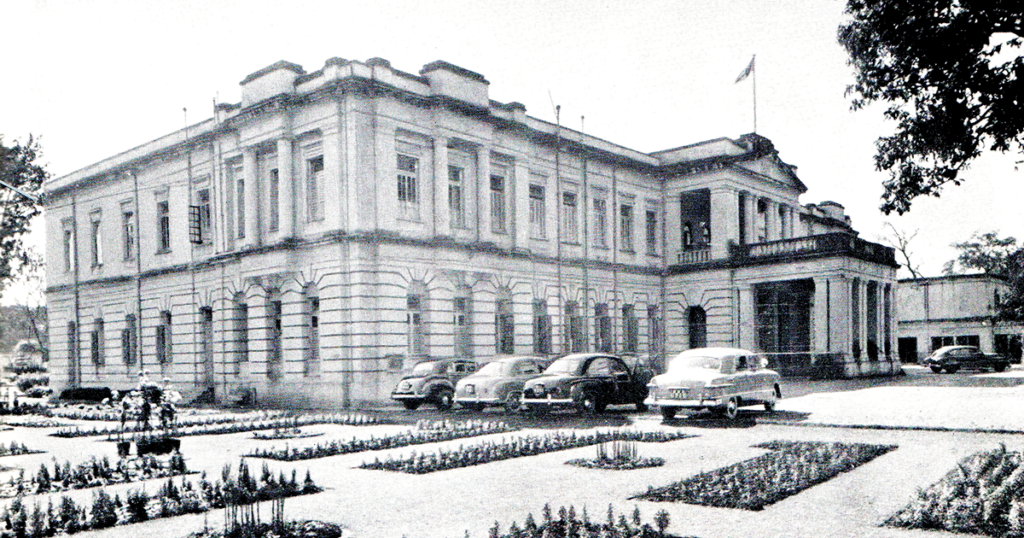
Tollygunge Club – Leisure Options in Stunning Landscape
Set a little apart from the dense urban core, the Tollygunge Club offers a different dimension of Kolkata’s club culture. Established in 1895 on the grounds of an old indigo plantation, it grew into one of India’s finest country clubs.
We feel it is possibly the “envy” of the other clubs with its expansive golf course, tree-lined avenues, and open spaces that evoke a sense of retreat—an almost pastoral calm with birds chirping in old trees, a peace that contrasts with the city’s intensity. Over the decades, the club has expanded its facilities while preserving its heritage character. More than just a sporting venue, it has come to represent a lifestyle—one that blends recreation, nature, elegance, and all things “Tolly”.
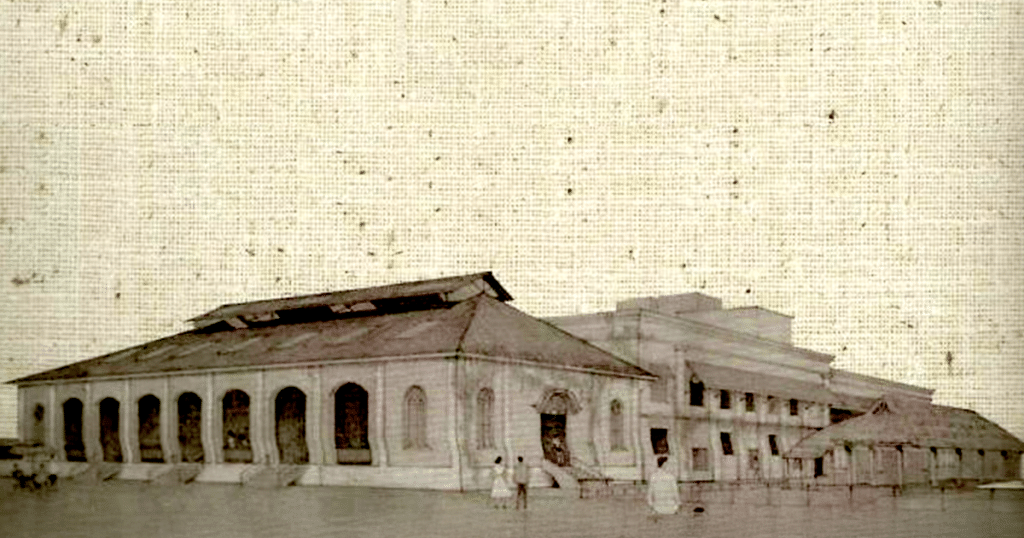
Dalhousie Institute – Representing the Pulse of Commercial Calcutta
Located in the southern part of the city near Park Circus, the Dalhousie Institute—often simply called “DI”— displays a different perspective on club life. It was founded in 1858 and was closely tied to the city’s mercantile and professional classes.
Unlike the largely leisure-oriented clubs, the Dalhousie Institute functioned as a hub for networking, reading, and recreation for clerks, traders, and professionals who were instrumental in powering colonial Calcutta’s economy. Its libraries, sports facilities, and cultural activities reflect a more accessible and functional model of club culture.
Even today, DI retains its democratic spirit. While it may lack the opulence of some of its counterparts, it amply compensates this with a sense of authenticity—rooted in the everyday life of the city’s professional, working, aspirational class.
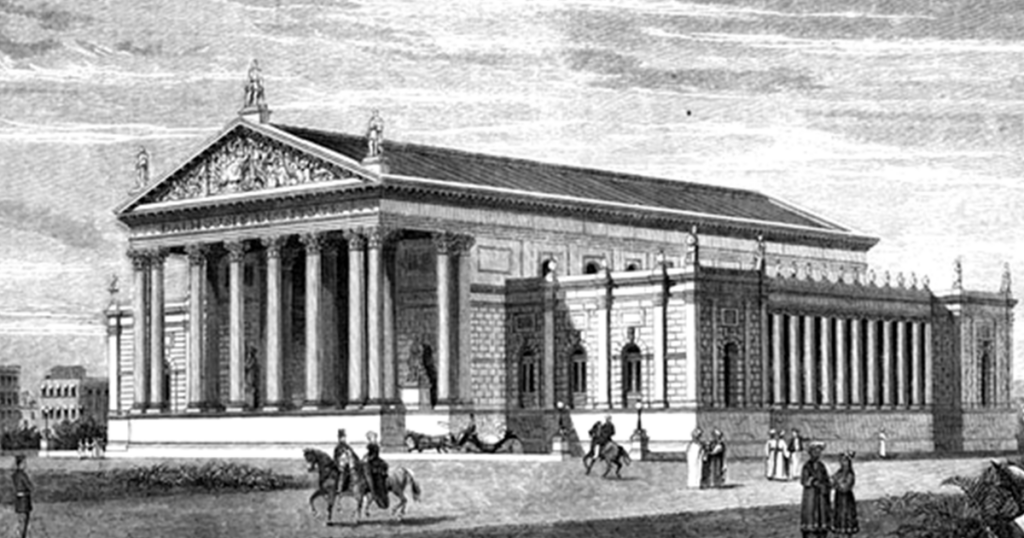
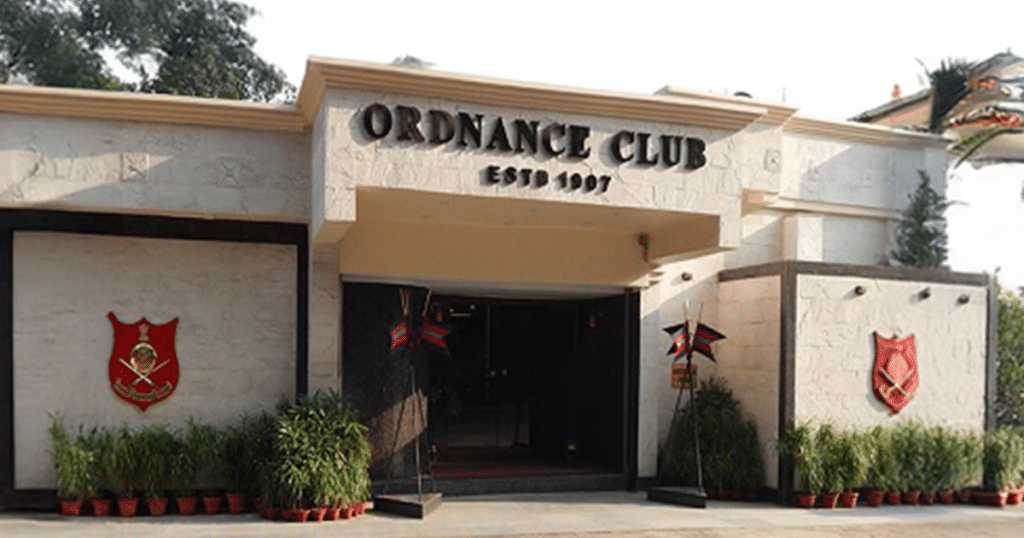
Ordnance Club – Strong Military Roots and Social Camaraderie
The Ordnance Club, located on Commissariat Road in Hastings, introduces yet another distinct strand to Kolkata’s club fabric—its military heritage. Associated with the Ordnance services and the armed forces, the club developed as a space for officers and their families to unwind and socialize. This proprietary institution has been founded and managed since its beginning in 1907 by the Ordnance officers. Earlier, it was in the form of a recreational centre in the Hastings Area after the formation of the Board of Ordnance in 1775.
Here, the emphasis has always been on camaraderie, discipline, and community. Its sporting facilities and open grounds reflect a functional design, and its social events exude a sense of order and tradition that is quite characteristic of military life.
One may say that in many ways, the Ordnance Club bridges two worlds – one of structured discipline of the armed forces and the other of relaxed sociability of a civilian club culture.
CCFC & RCGC: Embodying the City’s Competitive Sporting Spirit
Sports is an integral part of the city and quite naturally, Kolkata’s club culture is inseparable from its sporting legacy. Institutions such as the Calcutta Cricket and Football Club and the Royal Calcutta Golf Club are among the oldest of their kind in the world and carry a legacy of their own.
These clubs played a crucial role in introducing and popularizing sports like cricket, football, and golf in India. Over time, they became breeding grounds for talent and centres of competitive spirit.
Apart from these well-known institutions, the Maidan is dotted with several sporting clubs that remain vibrant with activity, with some preserving traditions that date back more than a century.
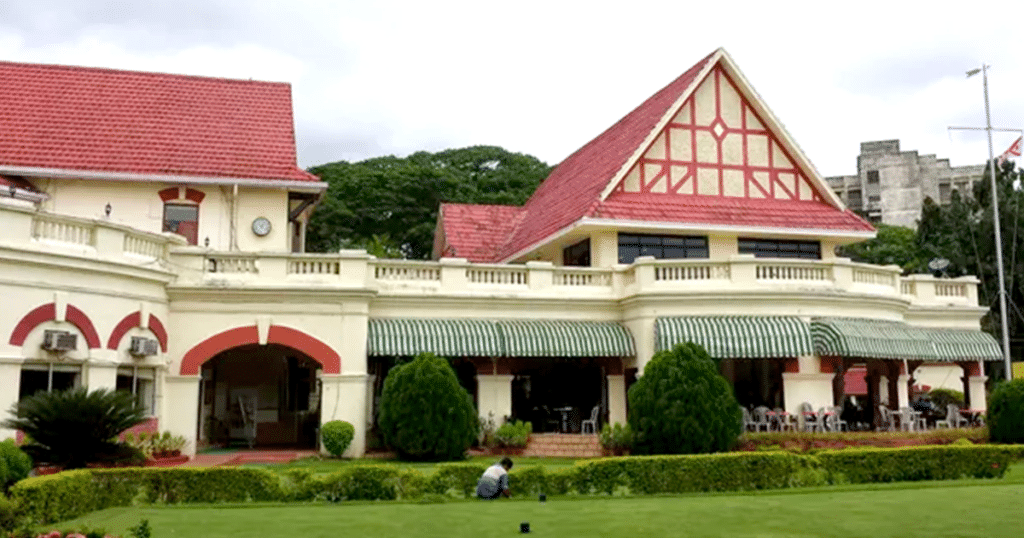
Royal Calcutta Turf Club: The Rise and Fading Glory of Racing Culture
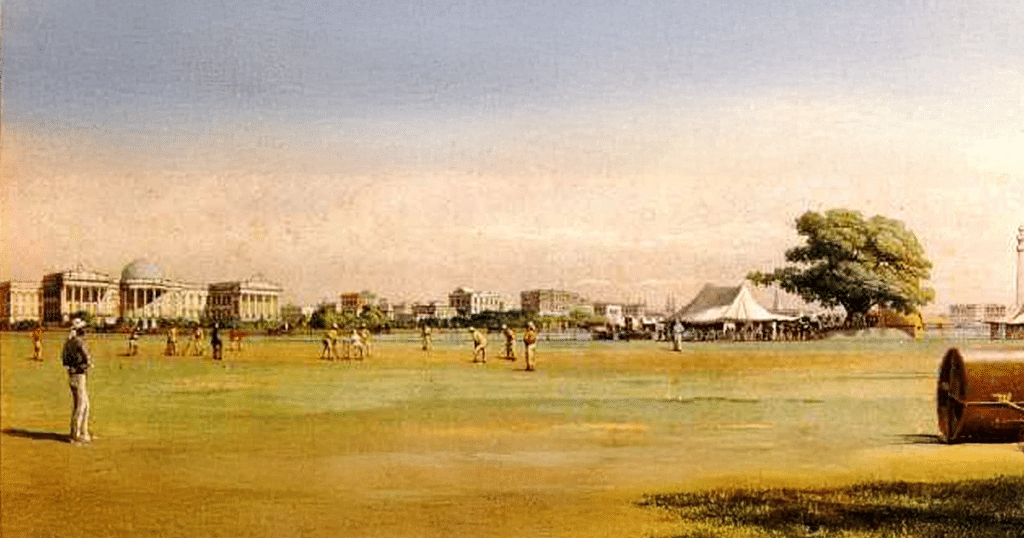
The story of Kolkata’s club culture would be incomplete without a mention of the Royal Calcutta Turf Club (RCTC), once among the most prestigious racing institutions in the world. Established in 1847, the main club house stood grand and graceful over the iconic racecourse on the Maidan. Here, horse racing was not merely a sport but a grand social spectacle and the racing season drew British officials, Indian royalty, and the city’s elite, making it a cornerstone of colonial high society. The sprawling Maidan grounds hosted prestigious polo matches, adding to the equestrian allure and reinforcing Calcutta’s reputation as a centre for elite sporting culture in British India.
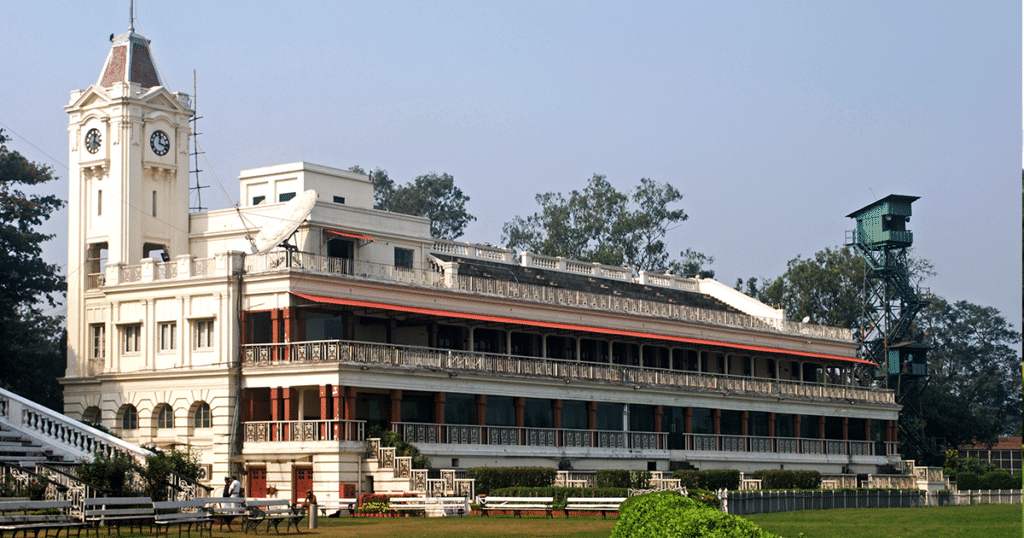
For decades, the RCTC set standards for turf governance across India and even influenced racing practices internationally. Today, while the scale and glamour have diminished and the institution is no longer at its peak, the racecourse still stands as a powerful reminder of a bygone era. Step in and one can imagine the thunder of hooves, the elegance of the grandstand, and the exciting spectacle of horse racing and thrill of a polo match in progress. In its quieter present, the RCTC embodies continuity—holding on gently to a legacy that once captivated Kolkata.
Repositories of Impressive Architecture, Old-world Charm, and Living Memory
What unites these diverse institutions is not just their age, but their commitment to continuity. Their aesthetic architecture—verandahs, columns, teakwood interiors—preserves a visual language of the past. Their rituals— rules of dining, dress codes, and structured social interaction—carry forward intangible traditions.
Unlike museums, these clubs are not frozen in time. They are lived spaces where history unfolds daily through the current members and their guests. When they dine under chandeliers that have witnessed generations, play sports on grounds steeped in the legacy of championships and events of bygone years, and participate in customs that link them to a shared past.
Adapting to a New Era
Despite their deep roots, Kolkata’s old clubs have not resisted change. Over time, they have opened their doors wider—embracing diversity in membership and modernizing facilities. Keeping pace with current times, they have imbued modern ways while still retaining the glory of the past.
Brand Chorcha observes their evolution has been careful and measured. Rather than abandoning tradition, they have adapted it—ensuring relevance without sacrificing identity. This ability to balance past and present is perhaps their greatest strength.
Kolkata’s Heritage Clubs Reflect the Soul of the City
Long story short, Kolkata’s old clubs are not merely institutions—they are storytellers. Each one of them carries within it a narrative of power, resistance, leisure, and community and together, they present a charming mosaic of the city’s complex history.
To step into one of these clubs is not just to enter a building—it is to walk into history—still alive, still evolving, and still deeply intertwined with the soul of the city.
Pause and think about this for a minute. In an age of rapid change, the old Kolkata clubs offer something increasingly rare, and that is – continuity. They remind Kolkata of who it was, even as it continues to redefine who it is.