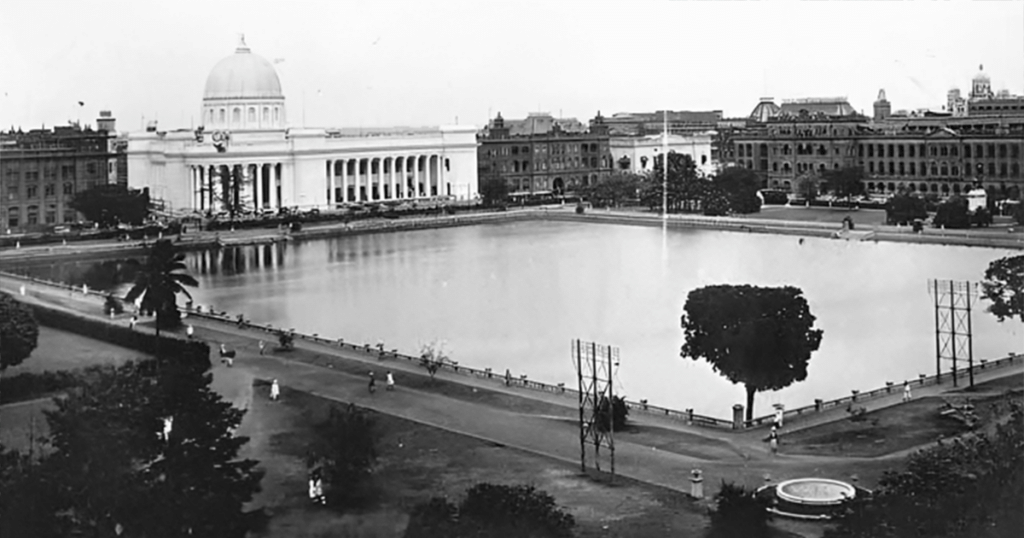

The Colossal Trading Houses of Old Kolkata

If you are studying the commerce and business history of Kolkata (erstwhile Calcutta), you will not miss the role of the major trading houses of the city. These gigantic trading houses held considerable sway over global commerce and industry and made the city one of Asia’s leading commercial capitals. From the late eighteenth century through much of the twentieth century, Kolkata was home to some of the most influential and successful trading houses in Asia.
Kolkata’s trading houses were focal points that managed vast networks of commerce that connected India to Britain, Europe, Southeast Asia, and beyond. Through the trade of tea, jute, coal, engineering, shipping, and finance, collectively they transformed Kolkata into one of the most important business centers of the Eastern world, linking it with important nodal points of commerce and industry across the world.
While many of these names have gradually faded from popular memory over time owing to a variety of reasons, you can easily see that their impact remains alive even today in the city’s architecture, institutions, industries, and commercial culture.
At the zenith of their operations, they were powerful “brands” in their own right that helped Kolkata earned the prestigious title of the “Second City of the British Empire.”
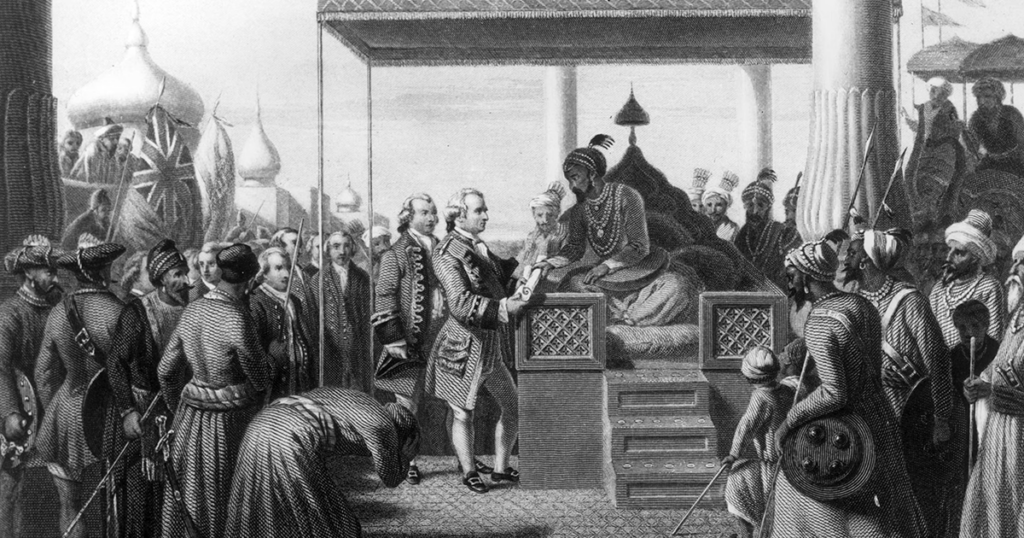
How Kolkata Became an Important Trading Hub
Kolkata’s strategic location on the banks of the Hooghly River ensured it became a natural gateway to eastern India. During the era of the East India Company, the city evolved into a centre of administration, trade, and finance. By the nineteenth century, merchants and industrialists had already recognized its immense potential.
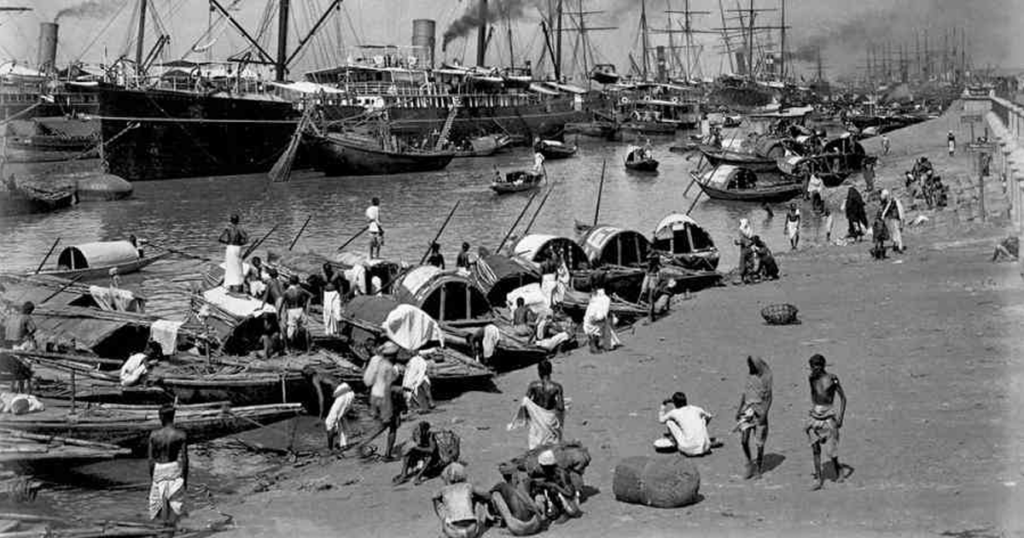
Let’s dwell a bit more on the vital point of strategic location. Kolkata was connected to the fertile agricultural plains of Bengal, the tea gardens of Assam, Darjeeling and the Dooars, and the coalfields and mineral hub of Raniganj and Chotanagpur plateau. Kolkata had a large and bustling port that served as the crucial logistical hub from where goods passed through to markets of Southeast and East Asia, Europe, and China. Many historians feel that Kolkata port served as the major collection and distribution point for industrial and agricultural wealth of India and its bordering regions.
As trade expanded, a number of powerful agency houses and business firms set up their headquarters in Kolkata, managing operations that stretched across continents. In this blog, Brand Chorcha discusses some which became powerful brands.
- Bird & Company: Giants of Industry and Infrastructure
Among the influential trading houses of British India, one prominent name was that of ‘Bird & Company’. As per available records, it was founded by Captain Sam Bird and his brother, Paul Bird in 1864 as a colonial managing agency and had massive stakes in shipping, jute, and minerals. Bird & Company became deeply involved in coal mining, engineering, transport, and infrastructure development. Over time, the firm assumed an important role in developing eastern India’s industrial economy as its projects supported the growth of industry.

The historic firm was nationalized by the Government of India in 1980 and its legacy remains in Kolkata’s industrial history. The original Bird & Company no longer exists as an independent corporate entity today, though it still survives in the form of nationalized successor units.
FACT – The Indian superstar, Amitabh Bachhan worked in Bird & Company in Kolkata during the 1960s before starting his acting career.
- Jardine Henderson: Building Commercial Networks
Another major player was Jardine Henderson. The firm was formed by the merger of two British trading firms – Jardine Skinner & Co. (founded in 1825) and George Henderson Ltd. As per records, the company was initially formed in Bombay and later reformed in Kolkata (then Calcutta). Jardine Henderson grew to be one of the most influential trading houses, dominating the Bengal Chamber of Commerce after Andrew Yule & Co. and Bird & Co.
Through the 19th and early 20th centuries, Jardine Henderson managed considerable British commercial interests in India that included tea plantations, coal mining, jute, engineering, shipping, and manufacturing.
What distinguished Jardine Henderson was its ability to connect multiple sectors of the economy. It was not merely a trading company but a key facilitator of commerce, helping goods move from plantations and factories to international markets.
The company’s presence reflected Kolkata’s role as a command centre where decisions affecting businesses across South Asia were made.
FACT – Francis Lutyens, nephew of the celebrated architect Sir Edwin Lutyens (famous for designing much of New Delhi) worked for Jardine Henderson. He was passionate about the city and gave personal guided tours to famous English visitors to the city.

- Gillanders Arbuthnot: An Enduring Legacy
Few names illustrate Kolkata’s commercial heritage better than Gillanders Arbuthnot. Established in the nineteenth century with the original partnership firm founded in 1820 by F.M. Gillanders partnering with G.C. Arbuthnot, the company became involved in tea, textiles, engineering, and trading activities.
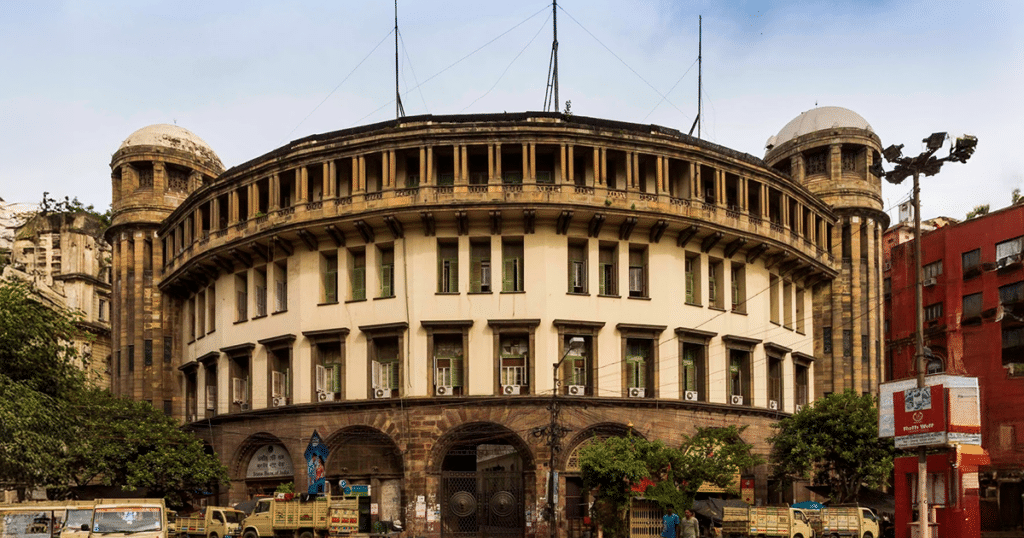
Unlike many historic trading houses that disappeared over time, Gillanders Arbuthnot adapted to changing economic realities and continues to exist today. Its longevity offers a rare glimpse into the enduring legacy of Kolkata’s trading traditions.
The company’s story mirrors the city’s own journey from colonial port to modern Indian metropolis.
Gillanders Arbuthnot & Co. Ltd. has its registered office at Gillander House in Kolkata and its divisions include textiles, engineering, tea, and property.
FACT – British architect Goodhart – Rendel drafted the striking design of Gillander House in Dalhousie Square (now BBD Bag) while he was still a music student at Trinity College, Cambridge!
- Duncan Brothers: Being Synonymous with Tea Economy
The tea industry was one of the pillars of Kolkata’s prosperity, and Duncan Brothers was among the firms that helped build this sector. We find the roots of Duncan Brothers going back to 1859 when the Scottish brothers, Walter and William Duncan arrived in Kolkata (then Calcutta) and established the company.
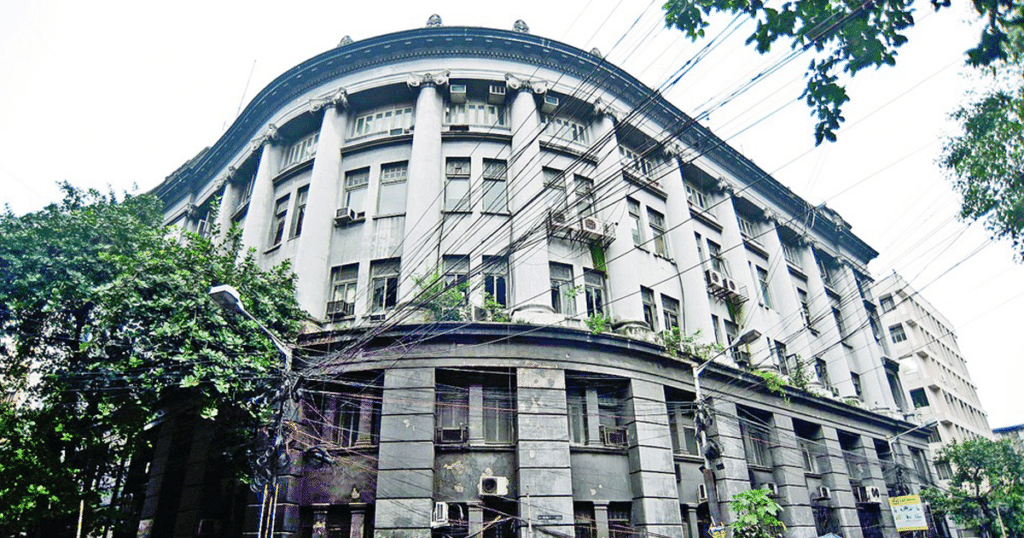
While Duncan Brothers initially started off as a trading firm, the company soon evolved into packaged tea brands and corporate entities. We find Duncan Brothers were soon the leading dealers of Darjeeling and Dooars teas. Typically, back then tea from Assam and northern Bengal passed through commercial networks managed from Kolkata before reaching consumers around the world.
Duncan Brothers became synonymous with plantation management, agricultural expertise, and international trade. The success of firms like Duncan contributed significantly to Kolkata’s reputation as a global centre for commodity trading.
FACT – Duncans Brothers subsequently split into groups. Duncan Brothers (Bangladesh) Limited is one of the largest tea producers in Bangladesh.
- Andrew Yule & Company: Getting into Diversification Before it Became Business de rigueur
Founded in 1863, Andrew Yule & Company became one of the most diversified enterprises in eastern India. Its interests ranged from tea and jute to engineering and electrical equipment.
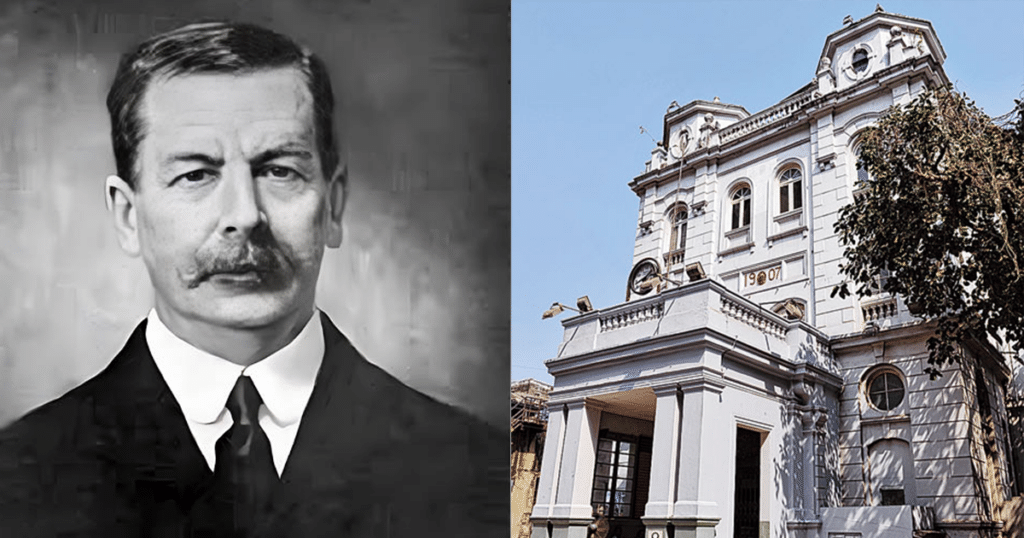
Andrew Yule exemplified a defining characteristic of Kolkata’s trading houses: diversification. Rather than relying on a single industry, these firms built interconnected portfolios that allowed them to weather economic fluctuations while contributing to multiple sectors of the economy.
Many of the city’s leading business groups would later follow a similar model.
FACT – In the 1920s, Andrew Yule even diversified into print and publishing with Sir David Yule acquiring the entire stake of The Statesman newspaper.
In All Senses, These Were Kolkata’s Big Trading “Brands”
The story of Kolkata’s gigantic trading houses is the story of how certain influential commercial establishments shaped an entire city’s commercial landscape. And, in this sense, they were brands. Firms such as Bird & Company, Jardine Henderson, Gillanders Arbuthnot, Duncan Brothers, and Andrew Yule transformed Kolkata into a powerhouse of trade, industry, and finance. Their influence went far beyond profit and loss results and shipping manifests; collectively, they helped create a commercial culture that defined Kolkata for generations.
The Legacy of Kolkata’s Trading Houses Lives On
Following Independence, the nation witnessed changing economic policies and shifting trade patterns along with the gradual shift of corporate headquarters to other cities. Ergo, Kolkata’s dominance in trading reduced greatly. Still, the legacy of its trading houses remains profound even today. The industrial history of the city shows they created employment, built industries, developed infrastructure, and connected India to global markets. They transformed a river port into one of Asia’s most important centres of commerce and finance.
Times have changed, so have methods of pivoting a business to success. Though the era of the great agency houses has largely passed, their legacy endures in Kolkata’s institutions, industries, and the city’s identity. The former trading houses of Kolkata remain as reminders of the time when the city stood among the leading commercial capitals of Asia, connecting continents through enterprise, ambition, and trade.
Today, when we walk through the historic business districts of B.B.D. Bagh (former Dalhousie) Strand Road, or Clive Street, what we can still witness are the architectural and commercial footprints of firms that once managed vast economic empires.