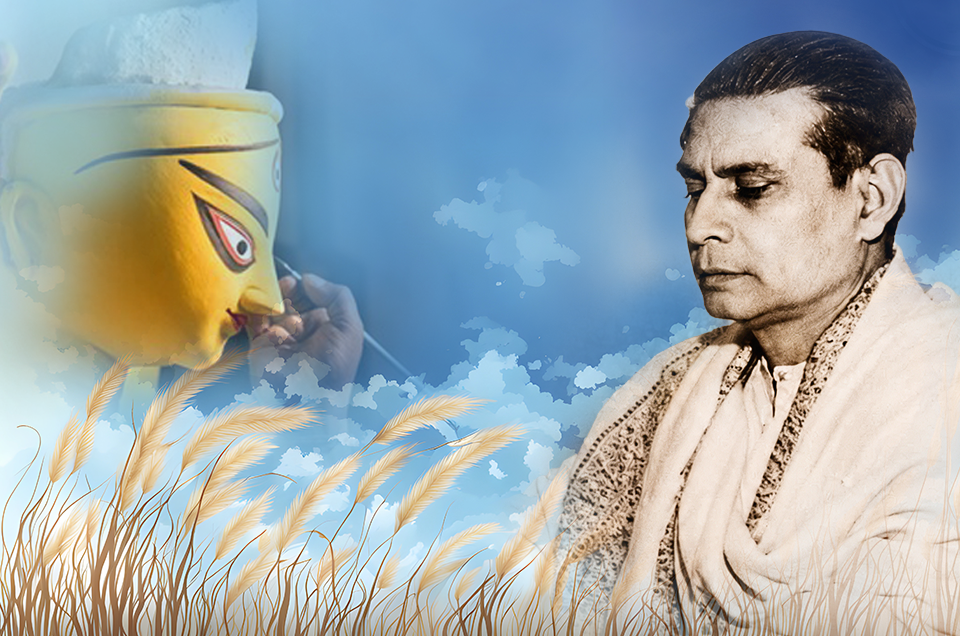

The Universal Brand of Bengal: How Bibhutibhushan Bandopadhyay’s Humanism Shaped Bengal’s Cultural Equity
Bengali literature has not solely preserved the Bengali culture but has dynamically transformed it, maintaining consistency and sustaining momentum through the current shifting landscape as well as expanding the global footprint and showcasing the cultural heritage of India. Pather Panchali or the Song of the Road written by Bibhutibhusan Bandopadhyay is not merely a literary masterpiece or a landmark film; but it is the master narrative and core cultural canon of the brand Bengal. Long before contemporary boards reflected their focus on “emotional branding”, “universal appeal” or “authenticity,” Bibhutibhushan Bandopadhyay conceived and mapped out a strategy framework for human connection that seamlessly unified the regional arena with the global arena.
For Brand Chorcha, a medium focusing on spotlighting the creative, unique narrative of the brand storytelling that have formed and transformed the business landscape and cultural identity of Bengal, analyzing the universal humanism of Bibhutibhushan Bandopadhyay is necessary and crucial. His literary works refined the cultural identity of Bengal and Bengali and also delivers a masterclass in how a deeply rooted narrative has the potential to be a timeless, powerful cultural legacy.
Power of Grassroot Resonance
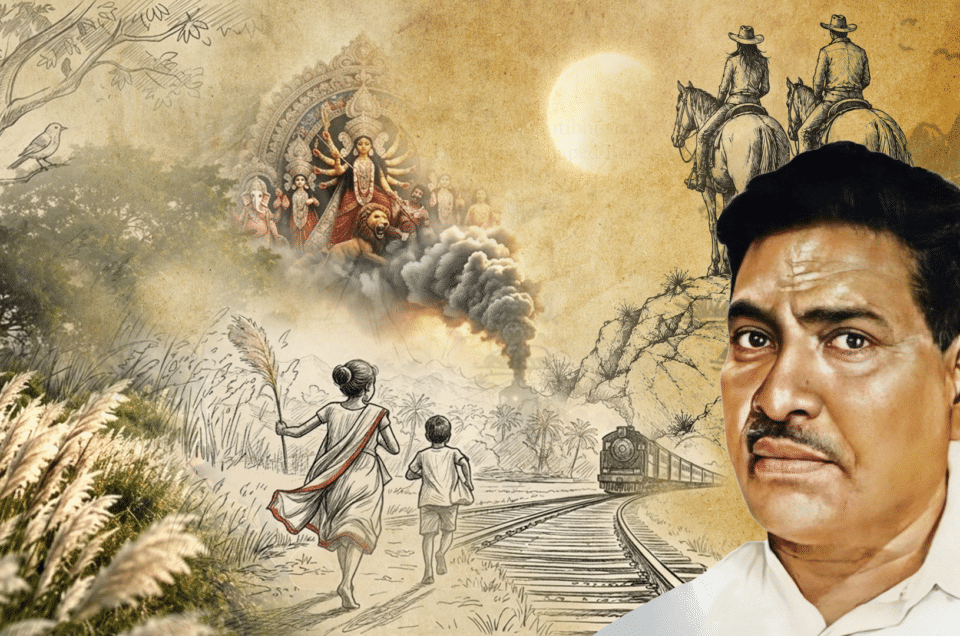
Bengal’s cultural rebirth, beginning in the early 19th century, shaped the intellectual landscape and sparked a cultural renaissance. This shift supported the establishment of contemporary Bengali literature. Historically, literature has been the catalyst as well as the bed rock of a holistic development of intellectual, cultural, moral and social growth. The Bengal Renaissance catalysed a vivid fusion between creativity and reform. Bibhutibhshan Bandopadhyay did not write for a global audience. His writings involved the rustle of bamboo groves, the damp soil of Nischindipur, the simple joy of chasing a train through a field of kash flowers (kans grass), and the taste of stolen mangoes. However, this intense hyperlocalization is the core of resonance, relevance, impact, appeal and power of a story.
Across the branding sphere, the key insight is distinct: Hyper-local, deeply-rooted authenticity drives and expands global footprint. The iconic establishments of Bengal from the soothing green tube of Boroline, to sweet innovations of K.C.Das or the role of Sulekha Ink in the freedom struggle all these renowned brands did not achieve their legendary status by copying the western business models. These brands gained their eminence merely because they holded on to their roots, embraced their heritage, embodying the spirit, the everyday habits, the hardships, adversities and the relentless battle for existence.
Universal Humanism: The Core Brand Alignment
A constant emotional and unwavering understanding for human existence is at the heart of the philosophy of Bibhutibhshan Bandopadhyay. Through the eyes of Apu and Durga, everyone can observe a family managing extreme financial scarcity. Their narrative is distinct by resilience, wonder, dignity and familial affection and is never by their economic hardships and circumstances. This is universal humanism which is the ability to unfold humanistic insights and universal resonance in the most precise and highly situational conditions.
Iconic and leading brands function on and align with this exact strategy. They do not simply sell products, transactional services and features; but they develop a connection with the core emotions of humans. When a legacy Bengal brand implements warmth, lifelong trust and nostalgia , It strikes the exact same emotional chords that makes Pather Panchali timeless and iconic. It brings back to the attention of the market that connections, mutual respect and trust form the core foundation of a sustainable business.
From a book’s page to the Globe: The Cross-Culture Resonance of Bengal
When the legendary, multifaceted genius Satyajit Ray adapted Pather Panchali for the cinematic experience on the screen, he channeled the humanism of Bibhutibhshan Bandopadhyay to NewYork and to the prestigious Cannes podium. To feel the innocent curiosity of Apu or the heartbreak of Sarbajaya, no Bengali proficiency was needed for the global audiences. The universal human emotion took over and the regional language faded.
This journey mirrors the trajectory of the finest commercial exports of Bengal. Whether it is the global recognition of the intricate textiles of Bengal, the nationwide trust in the products of East India Pharmaceutical, or the deep cultural alignment of Tata Tea with the daily adda (catch-ups or chat sessions). The core power lies in emotional expressiveness. Bibhutibhshan Bandopadhyay proved that when one evokes Bengal’s true spirit and embodies the Bengali ethos with complete honesty, the entire world will pause and pay attention and wait for a glance.
The Enduring Legacy of the Gentle Humanist of Bengal
Eventually, Bibhutibhshan Bandopadhyay not only wrote about Bengal but he catalysed the cultural awakening of the region and breathed life into it that got universally recognized. By discovering the extraordinary within the ordinary, Bibhutibhshan Bandopadhyay’s stories transformed Bengal’s rural landscape into a global canvas of human curiosity, tenderness and resilience. He elevated the cultural equity of Bengal through a transformative empathy that honoured the ordinary and captured the beauty of everyday life and not through high-mindedness or massive political statements. Years later when Apu first viewed the world horizon though his lens of sheer amazement, the timeless humanism of Bibhutibhshan Bandopadhyay remains as a reflection of the shared humanity, reminding each and everyone that while one safeguards and retains one’s compassion and wonder, the cultural voice of Bengal will remain relevant eternally.
His classics, from the profound ecological awareness of Aranyak to the captivating quest of Pather Panchali, remain as testaments and witnesses to an ageless voice that continues to echo. By eternalizing the triumphs and struggles of the downtrodden and underprivileged, he ensured that the rhythmic beat of Bengal’s rural heart would echo across generations and borders. In a rapidly evolving dynamic era, Bibhutibhshan Bandopadhyay’s literature and narratives stand and endures as a safe harbour, enlightening everyone that the ultimate legacy, significance and living testament is found in enduring curiosity and constant empathy and not in grand structures.