
Adda, Literature and Intellectualism As Elements Of Kolkata’s Brand
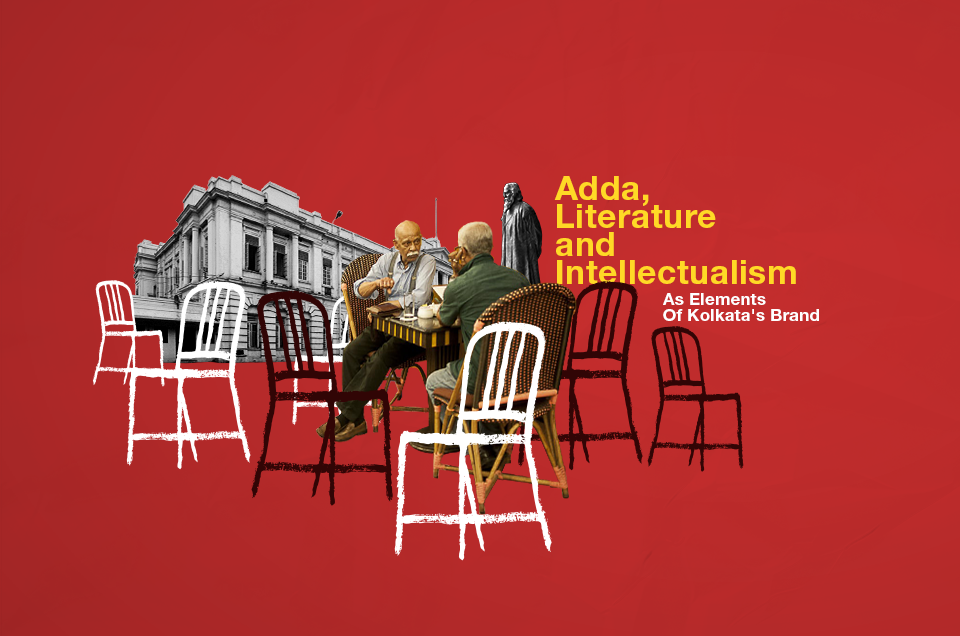
Kolkata is not merely a city; it is an enduring conversation. Kolkata has been shaped less by skyscrapers or commerce than by culture, intellect, and the timeless tradition of Adda. The city’s soul resides in its coffee houses, bookshops, college corridors, and street-corner tea stalls, where discussions flow endlessly across politics, poetry, cinema, philosophy, and football, including the famous East Bengal versus Mohanbagan divide.
Unlike ordinary casual conversations, Adda is a ritual of intellectual exchange. It thrives on curiosity, disagreement, wit, and reflection. Generations of Bengalis have gathered at places such as the iconic Indian Coffee House to debate literature, revolution, art, and society over cups of coffee that often outlast the discussions. This culture of dialogue has created a public sphere where ideas matter deeply, earning Kolkata a reputation as India’s intellectual capital.
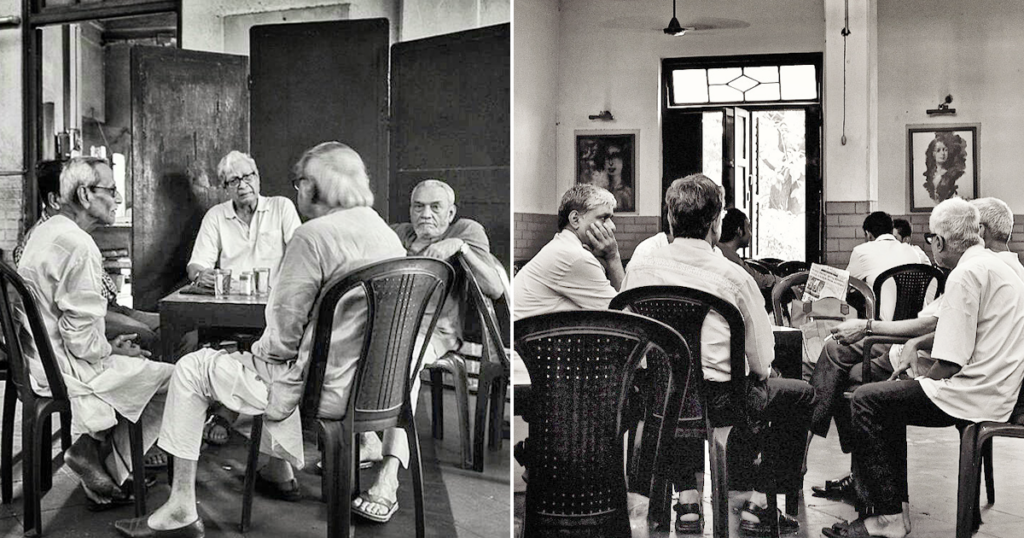
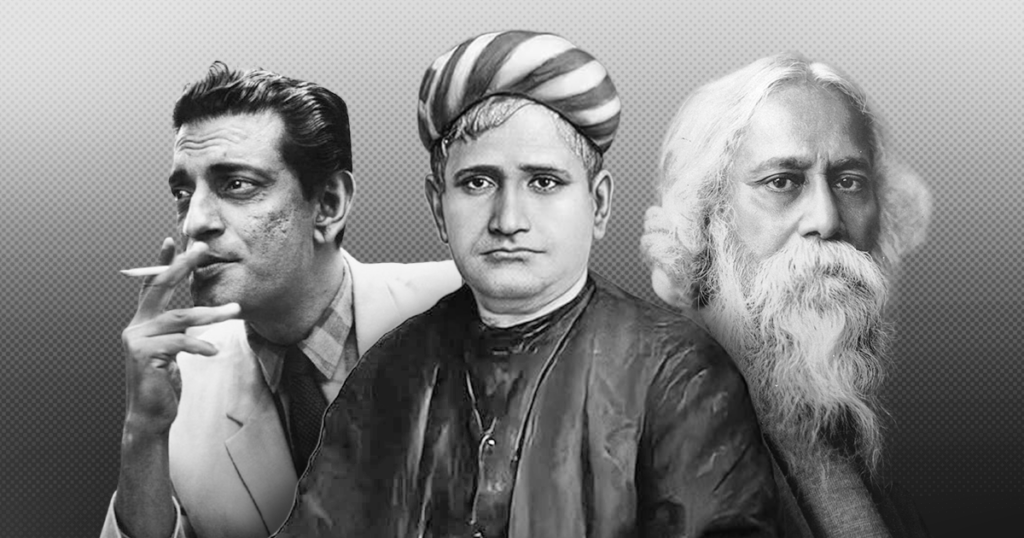
Literature is another pillar of Kolkata’s brand. The city has produced and nurtured some of the subcontinent’s finest literary minds, including Rabindranath Tagore, Bankim Chandra Chattopadhyay, and Satyajit Ray. Their works transformed Bengali literature and influenced global thought. Kolkata’s deep literary culture is evident everywhere — in the annual Kolkata Book Fair, the abundance of independent bookshops, and the continued popularity of little magazines and poetry readings. Books in Kolkata are not meant to be on a shelf; we Bengalis have grown up with them, reading or listening to them in various forms of storytelling, such as Thakur Maa Jhuli, Gopal Bhar, and Pather Panchali.
Intellectualism in Kolkata has also historically intersected with political and social consciousness. The city played a central role in the Bengal Renaissance and the Indian freedom movement, becoming a breeding ground for reformers, scientists, artists, and activists. Educational institutions, from primary schooling at prestigious schools such as St. Xavier’s and Loreto to renowned universities such as Presidency University, Jadavpur University, the Indian Statistical Institute (ISI), and the University of Calcutta, further strengthened the city’s image as a centre of critical thinking and scholarship.
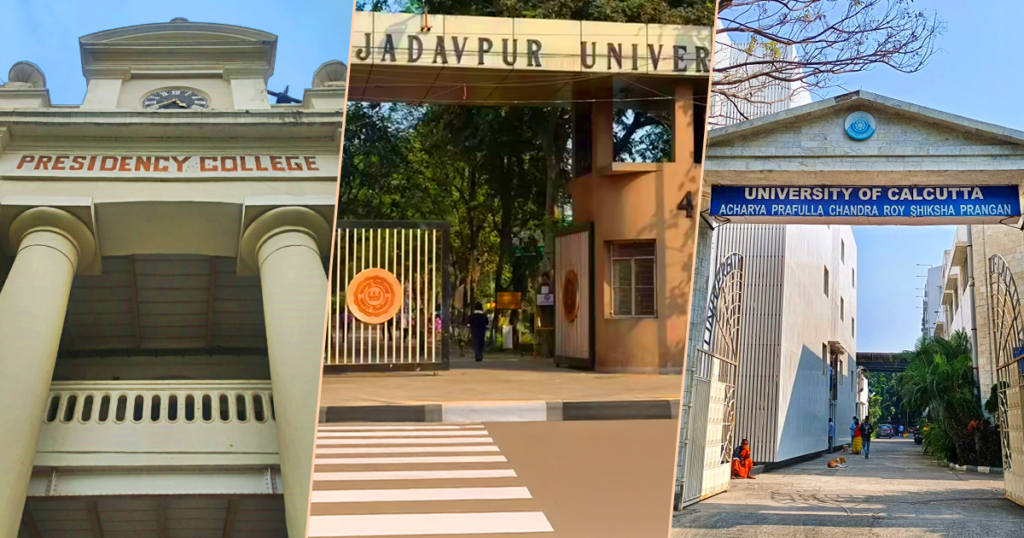
What makes Kolkata unique is the accessibility of its intellectual culture. One does not need elite membership to join an adda or take part in literary discussions. A tram-ride conversation, a roadside tea-stall debate, or an encounter in a bookshop can become a philosophical exchange. Intellectualism here is woven into ordinary life rather than confined to academia.
In an age when cities often compete on technology, finance, or infrastructure, Kolkata stands apart by branding itself on thought, creativity, and conversation. Its identity is emotional rather than corporate. The spirit of Adda, the richness of literature, and the culture of intellectual engagement continue to define Kolkata as a city where ideas are celebrated as passionately as life itself.
With its strategic location as the gateway to Eastern and North-eastern India, Kolkata enjoys significant advantages in trade, connectivity, and commerce. The city’s expanding metro network, improved roadways, railway connectivity, and access to one of India’s oldest and most important ports strengthen its position as a major urban and industrial centre. In addition, Kolkata is home to renowned educational and research institutions that continually produce skilled professionals, including engineers, writers, scientists, and entrepreneurs. Compared with many metropolitan cities, Kolkata also offers relatively affordable living and operating costs, making it attractive to start-ups, industries, and young professionals seeking sustainable growth opportunities.
The city’s rich intellectual environment further complements its economic potential. A culture that values debate, creativity, and critical thinking naturally fosters innovation and problem-solving — qualities essential to technological advancement and industrial development. By combining its cultural depth with modern infrastructure, digital expansion, and industrial investment, Kolkata can redefine itself in the twenty-first century.
Kolkata can successfully transform into the next Silicon Valley or Manufacturing Hub of India, a city where culture and commerce coexist, and innovation flourishes without losing the human and intellectual spirit that has always defined the City of Joy.