

Kolkata’s Legacy Schools – Delivering Top-Tier Education and Academic Excellence

The city of Kolkata has played a pioneer’s role in shaping modern education in India and for good reason. From as early as the 18th century, Kolkata (then ‘Calcutta’) witnessed robust educational development, thanks to the establishment of several historic schools that imparted modern education. The legacy schools of Kolkata that included Hare School, Hindu School, and St. Xavier’s Collegiate School did far more than simply teach. These schools offered a unique blend of educational might and holistic values. Students not only from the city but also districts far and near came to get the best education in Kolkata.
These schools nurtured curiosity, discipline, and a deep engagement with literature and ideas, shaping generations of thinkers, writers, and reformers. In classrooms of these legendary schools, books were revered and debate thrived. We know from several documents and accounts of the time how young minds in these academic institutions were exposed to both Indian traditions and global thought. Little wonder then, that Kolkata’s legacy schools emerged as crucibles of the Bengal Renaissance helping forge a city that valued intellect, expression, and cultural refinement.
In this blog, we look at some of Kolkata’s legendary old schools that we may justifiably call “brands of intellect and character” –
St. Thomas’ School (1789)
One of Kolkata’s oldest schools, St. Thomas’ has a rich colonial legacy blended with modern education. Known for discipline and academic strength, it has shaped generations of students with a sense of responsibility and civic awareness. Today, its alumni network spans diverse professions, contributing quietly yet significantly to the city’s intellectual and social fabric and far beyond.
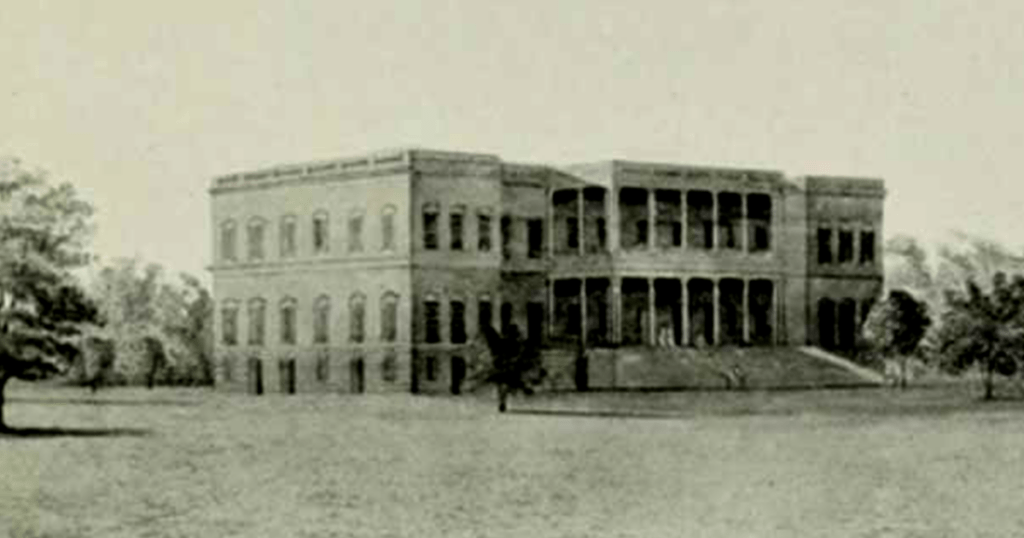
Hindu School (1817)
Among Kolkata’s oldest institutions, Hindu School grew alongside the city’s intellectual awakening. It is known for its close links to the Bengal Renaissance that fostered rational thought, debate, and literary engagement amongst its students. Hindu School’s rigorous curriculum and emphasis on English and classical learning shaped generations of thinkers. Notable alumni include Bankim Chandra Chattopadhyay, whose writings stirred national consciousness, and Raja Ram Mohan Roy, representative of the region’s early intellectual milieu and a prominent social reformer of his day leading the crusade against the practice of Sati. The rich school’s legacy lies in producing articulate minds who bridged tradition and modernity, helping define Kolkata’s reputation as a city of ideas.
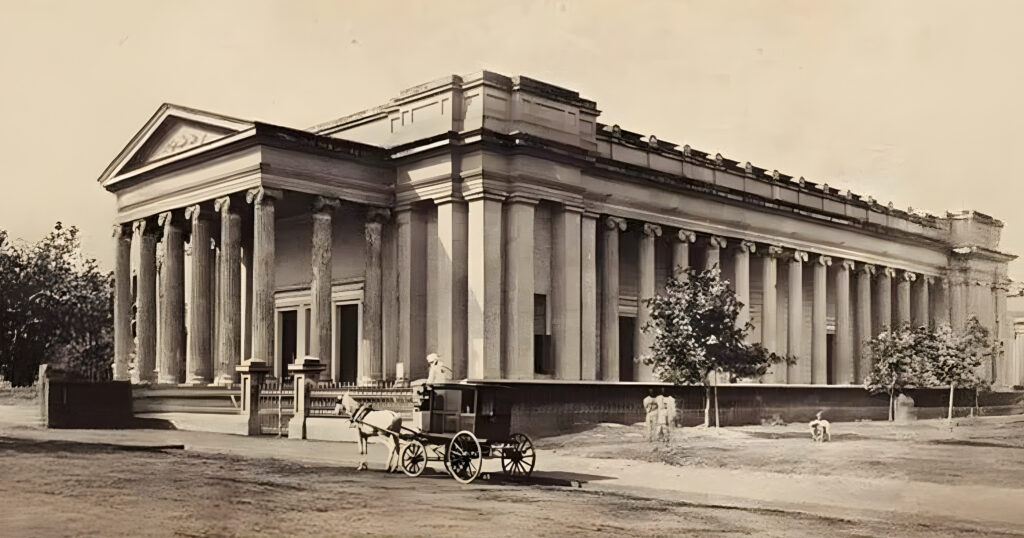
Hare School (1818)
Founded by educationist David Hare, Hare School became a cornerstone of modern education in colonial Calcutta. It encouraged scientific temper and liberal thinking at a time of intense social transition. Many of its students took active part in reform movements and literary pursuits, strengthening the city’s cultural fabric. Alumni include Ishwar Chandra Vidyasagar, whose work transformed Bengali prose and education. The school’s enduring contribution lies in its commitment to accessible, progressive education that empowered generations to think critically and write powerfully.
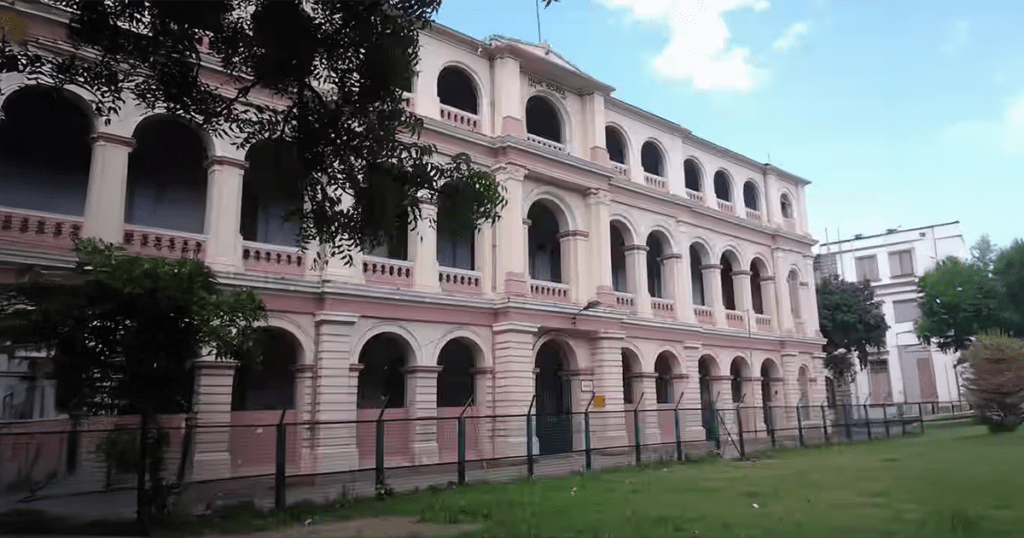
Sanskrit Collegiate School (1824)
Sanskrit Collegiate School preserved and promoted curriculum in the classical language, Sanskrit, while gradually embracing modern subjects. Primarily rooted in classical learning, it played a key role in shaping scholars who bridged ancient texts with contemporary thought. Ishwar Chandra Vidyasagar studied and later taught here, reforming Sanskrit education and simplifying Bengali prose. The school stands as a symbol of continuity—where India’s intellectual traditions were not abandoned but reinterpreted—helping Kolkata maintain a deep connection with its linguistic and philosophical heritage
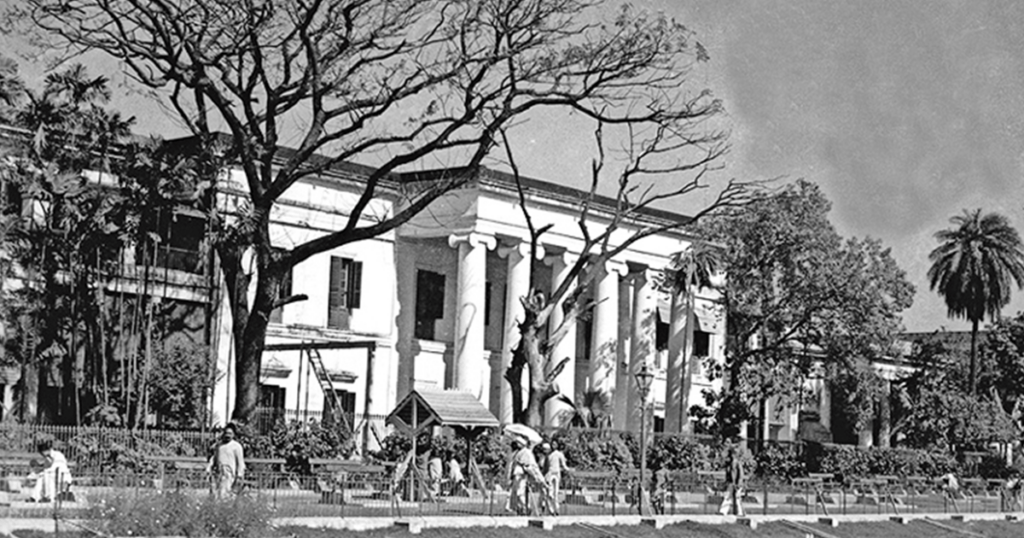
Scottish Church Collegiate School (1830)
Founded by Scottish missionaries, Scottish Church Collegiate School combined Western pedagogy with Indian intellectual traditions. It encouraged inquiry, discipline, and literary appreciation, shaping students who excelled in diverse fields. Among its distinguished alumni is Subhas Chandra Bose, whose leadership left a lasting imprint on history. The institution contributed significantly to Kolkata’s academic culture, fostering individuals who were both rooted and globally aware.
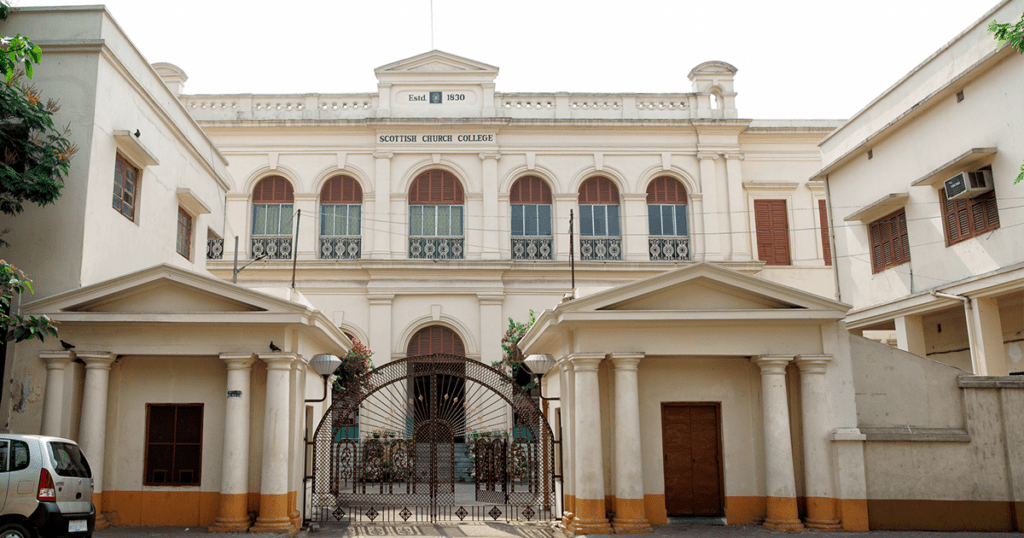
La Martinière Kolkata (1836)
Established by French adventurer Claude Martin, La Martinière Kolkata is known for its grand heritage and balanced education. Combining academics with sports and the arts, it cultivated confident, articulate individuals. Its alumni network spans public life, business, and culture, including Sourav Ganguly and Anil Rastogi. The school’s emphasis on leadership and expression has contributed to Kolkata’s cosmopolitan identity, blending colonial legacy with modern aspiration.
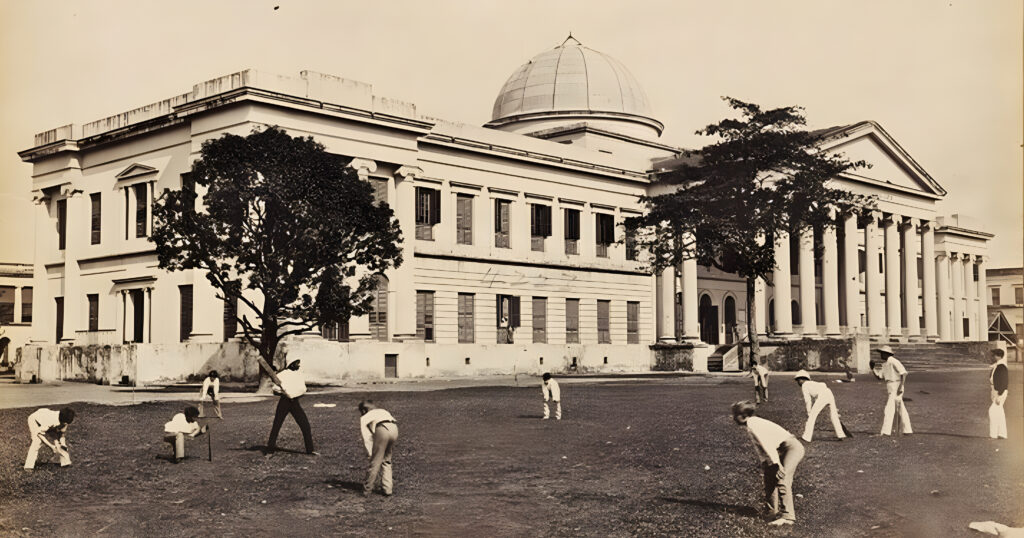
Loreto House (1842)
A pioneering institution for girls’ education, Loreto House combined academic rigour with cultural refinement. It nurtured confidence, creativity, and leadership among young women at a time when such opportunities were limited. Its alumnae include Mira Nair and Aparna Sen. Since its establishment, the school played a vital role in shaping Kolkata’s progressive outlook, empowering women to contribute meaningfully to literature, arts, and public life.
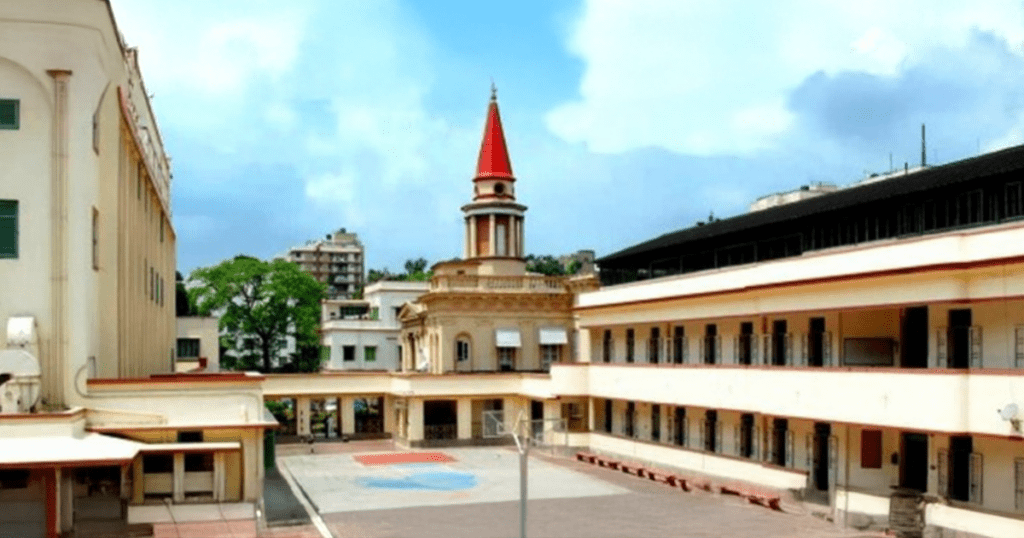
Bethune School (1849)
Established as one of India’s earliest schools for girls, Bethune School marked a turning point in women’s education. It encouraged intellectual independence and literary engagement. Notable alumnae include Kadambini Ganguly and Chandramukhi Basu. The institution’s legacy lies in breaking barriers and nurturing women who would go on to shape social reform and intellectual discourse in Kolkata and beyond.
Calcutta Girls’ High School (1856)
Established under the patronage of the Governor-General of India of the time, Lord Canning, this institution has been central to advancing girls’ education in the city. With a strong academic foundation and encouragement of cultural activities, it produced confident, articulate women. Its alumnae have contributed to education, arts, and social work, reinforcing Kolkata’s reputation as a centre of progressive thought. The school remains a symbol of empowerment through education.
St. Xavier’s Collegiate School (1860)
Run by Jesuits, St. Xavier’s has long been synonymous with academic excellence and all-round development. Its emphasis on discipline, communication, and social awareness produced leaders across professions. Its alumni include filmmaker Hrishikesh Mukherjee and actor Shashi Kapoor. The school’s vibrant cultural life—debates, theatre, literature—has enriched Kolkata’s artistic and intellectual landscape, making it one of the city’s most respected institutions.
St. John’s Diocesan Girls’ Higher Secondary School (1876)
Known for its strong academic record and emphasis on values, St. John’s Diocesan has nurtured generations of accomplished women. It was established by British missionary, Angelina Margaret Hoare from Kent, England who devoted her entire life to the cause of women’s education in British India. The school encourages excellence in studies, arts, and leadership. Its alumnae have contributed widely across professions, reflecting the institution’s role in shaping confident, capable individuals in society.
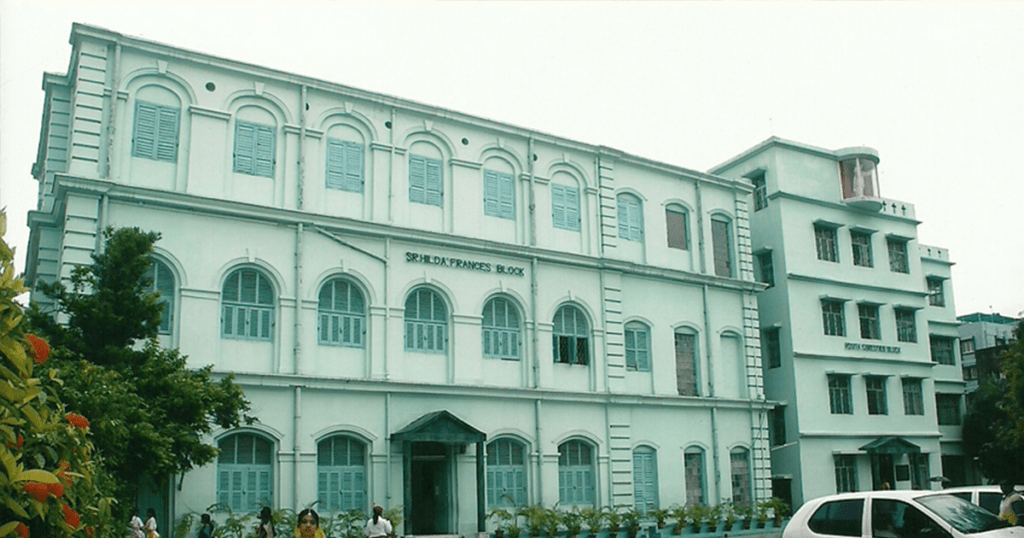
Calcutta Boys’ School (1877)
Founded by Baptist missionaries, Calcutta Boys’ School has long emphasized discipline, academics, and sportsmanship. It fostered a balanced education that encouraged leadership and community values. Its alumni include actor Tom Alter. The school’s contribution to Kolkata’s educational landscape lies in its consistent focus on character-building alongside scholastic achievement.
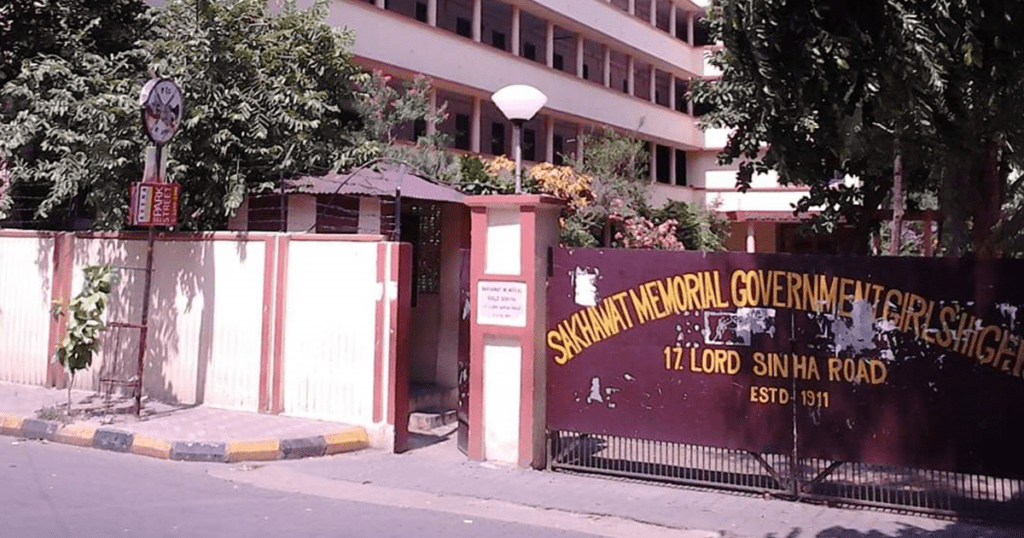
Sakhawat Memorial Government Girls’ High School (1911)
Founded by reformer Begum Rokeya, Sakhawat Memorial was revolutionary in promoting education among Muslim girls. It championed literacy, independence, and social awareness. Its legacy lies in empowering women to step into public and intellectual life, enriching Kolkata’s pluralistic and progressive ethos.
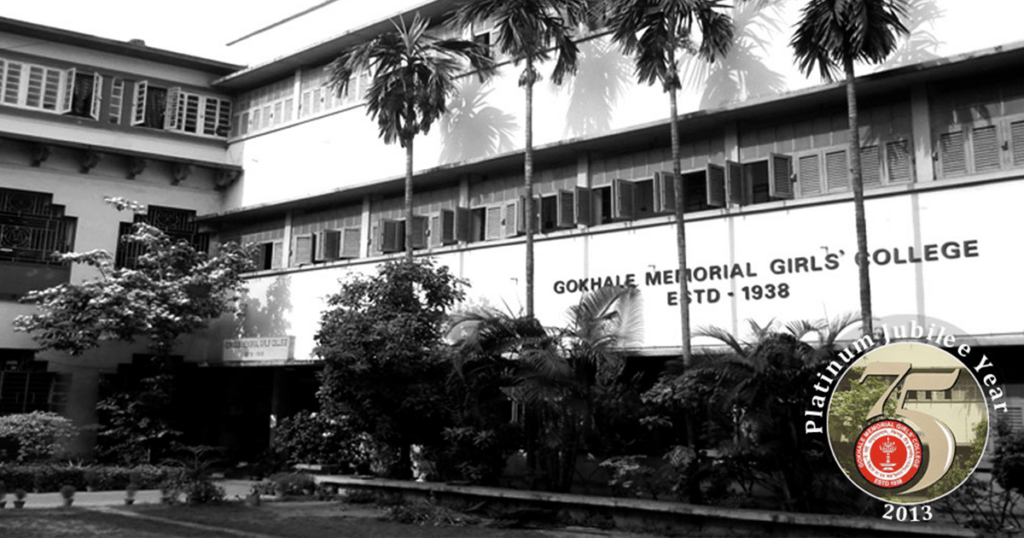
Gokhale Memorial Girls’ School (1920)
Founded in memory of Gopal Krishna Gokhale, the school embodies ideals of service, discipline, and intellectual growth. Established by Mrs. Sarala Ray, it has promoted girls’ education for over a century with a focus on critical thinking and cultural awareness. Its students have contributed to academia, arts, and public service, reinforcing Kolkata’s identity as a city that values education as a force for social progress. Distinguished alumnae of the school include Nabaneeta Dev Sen, Mamata Shankar, Dona Ganguly, Koel Mallick, and Chaiti Ghosal.
Kolkata’s Legacy Schools Were “Brands” of Intellect and Character
One may say these schools were “brands” long before the term even entered our vocabulary. Were they brands in a commercial sense? Not in the least. Rather, they were brands for the kind of education and values they represented. These old schools of Kolkata stood for ideas, values, and intellectual identities that families consciously chose for their children.
For example, Hindu School came to symbolize a self-assured, Swadeshi-minded education, rooted in Indian thought yet fully capable of engaging with global knowledge. Similarly, Hare School represented liberal, reformist thinking, while St. Xavier’s Collegiate School was synonymous with discipline, articulation, and cosmopolitan polish.
In that sense, each of these educational institutions developed a distinct “signature”—not through marketing, but through generations of alumni, teaching ethos, and cultural influence. What’s more, their reputations travelled across decades, shaping aspiration and identity.
What set these legendary Kolkata schools apart is that their formidable reputations were earned, not engineered. These schools built their credibility through consistency of values—rigorous academics, intellectual curiosity, discipline, and a respect for ideas.
Over time, each school’s alumni carried the ethos forward into literature, administration, science, and public life, families came to trust and look up to the legacy, often across generations, and society reinforced the identity, associating each school with certain qualities.
In this way, each school’s “brand equity” was cumulative and cultural andit deepened with every batch that upheld those standards.