

The Rise and Fall of Brand Bengal: A Story of Lost Glory

Once upon a time, Bengal was the beating heart of India’s imagination. It was where factories hummed with industry, and where intellectual debates lit up coffee houses. Kolkata, the capital, was not just a city—it was a symbol. A symbol of culture, commerce, and creativity. This was Brand Bengal at its peak.
But like all great stories, this one has a tragic twist.
The Golden Age
In the early 20th century, Bengal was India’s industrial powerhouse. Jute mills lined the Hooghly River, engineering firms thrived, and the city was a magnet for talent. At the same time, Bengal’s cultural capital was unmatched. Investors saw Bengal as the place to be. Artists saw it as the place to belong. The brand was strong, vibrant, and enviable.
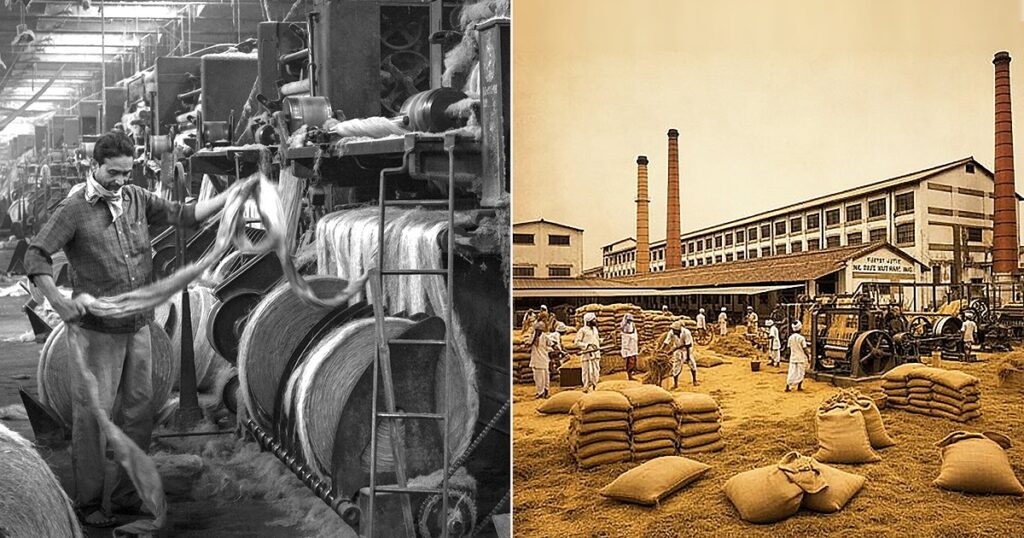
The Cracks Appear
But beneath the surface, trouble brewed. Labor unrest, political turbulence, and frequent strikes began to chip away at Bengal’s reputation. Investors started whispering: “It’s too risky.” Slowly, industries packed up and moved west—to Gujarat, Maharashtra, Karnataka. The IT revolution arrived, but Bengal missed the bus. While Bengaluru became India’s Silicon Valley, Kolkata remained stuck in nostalgia. The brand that once stood for progress began to stand for paralysis.
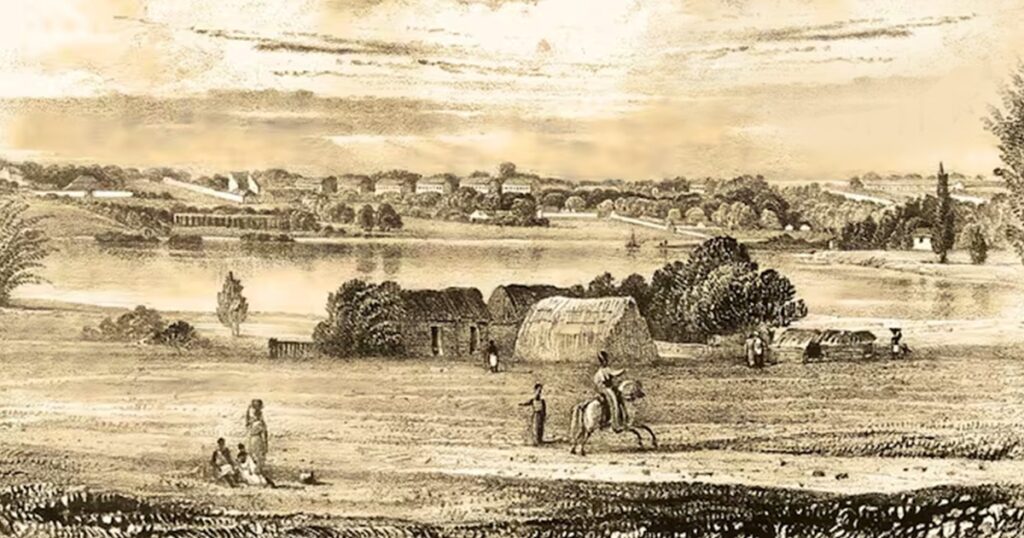


The Symbolic Disaster
Every great fall has a defining moment. For Bengal, it was Singur. In 2008, Tata Motors pulled out its Nano car project after fierce protests. What could have been a turning point for industrial revival became a cautionary tale.


Singur wasn’t just about one factory—it became shorthand for Bengal’s inability to hold on to opportunity. Investors across India took note: Bengal was no longer a safe bet. The brand collapsed not with a bang, but with a withdrawal letter.
The Mirror of Mismanagement


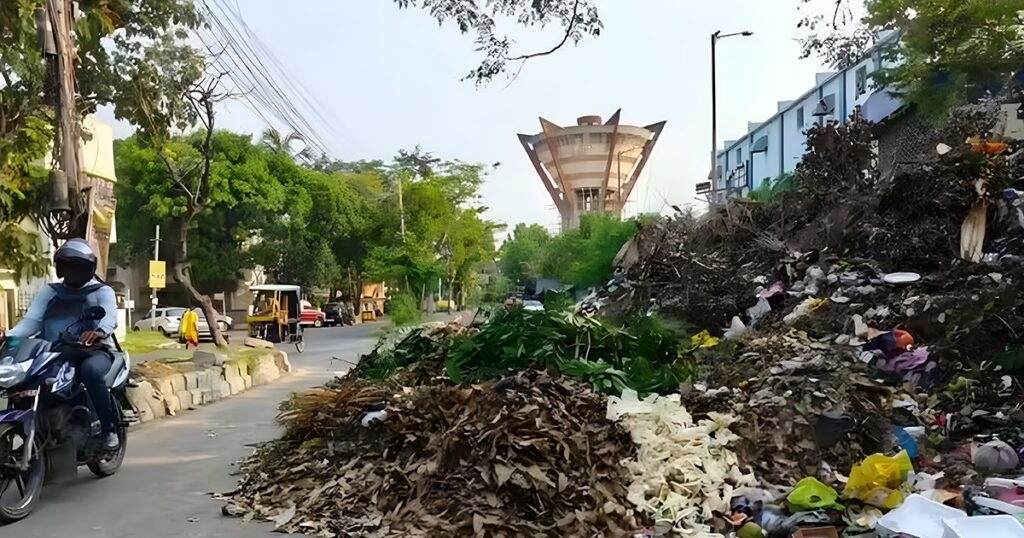
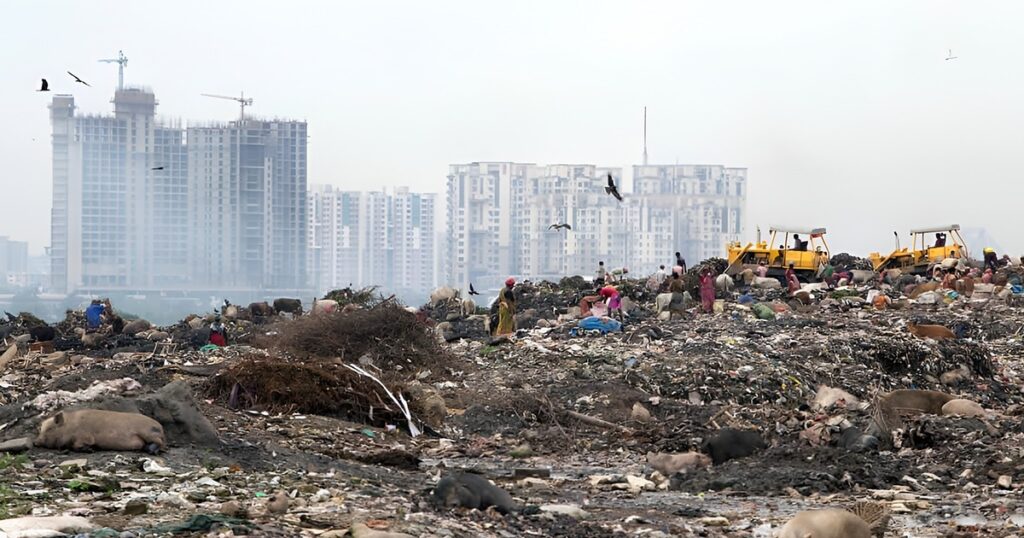
As years passed, Bengal’s decline mirrored the civic disasters of other Indian cities. Flooded streets, garbage mismanagement, and chaotic governance became part of the narrative. Kolkata, once the jewel of the East, struggled to keep pace with modern urban demands. The story of Brand Bengal was no longer about culture and industry—it was about missed chances and mismanagement.
The Road to Redemption
Yet, every tragedy leaves room for hope. Bengal still has its strengths: a rich cultural heritage, a pool of intellectual talent, and a spirit of resilience.
The story isn’t over. Bengal can still rise again—but only if it learns from its past.
Epilogue
Brand Bengal’s disaster is a cautionary tale of how reputation, once lost, is hard to regain. It reminds us that culture alone cannot sustain a brand; governance, vision, and adaptability are equally vital. Bengal’s fall was not inevitable—it was a result of choices. And perhaps, with better choices, the next chapter can be one of resurgence.
Through ‘Brand Chorcha’ we value retrospection but we strongly believe new Bengal can rise from re-energised entrepreneurial mindset of common man.